
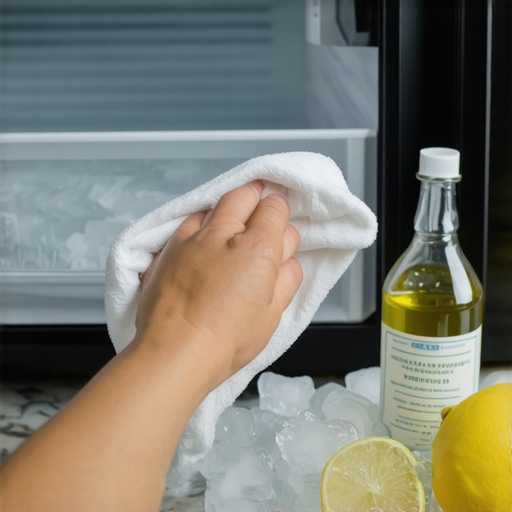
I remember it clearly: a sweltering Tuesday afternoon. I poured a tall glass of filtered water, dropped in three glistening cubes, and took a massive gulp. Instead of refreshing hydration, it felt like I’d just bitten into a raw Vidalia onion. It was repulsive. My first thought? My fridge was dying. My second thought? I’m never drinking water again. It turns out, I was making the classic “open container” mistake in my modern refrigerator, and my ice maker was paying the price for my laziness.
That Cringe-Worthy First Sip of Onion Water
The truth is, ice is a magnetic sponge for smells. It’s incredibly porous and has a nasty habit of absorbing every single scent drifting through your freezer and fridge. I used to think that because the ice maker was tucked away in its own little plastic fortress, it was safe from the leftovers on the middle shelf. I was dead wrong. I once left a half-eaten taco salad uncovered for just one night, and for the next week, every iced coffee I made tasted like cumin and shallots. It’s a common issue, even when you’re dealing with high-end smart appliances that promise fancy air filtration. The problem usually stems from a mix of cross-contamination and a buildup of biofilm or mineral scale inside the tray. If you’ve also noticed tiny or hollow cubes, that’s another glaring sign your system is struggling with more than just a bad smell. Today, I’m going to show you the absolute easiest way to purge that onion funk without spending three hours scrubbing with a tiny toothbrush.
Can a Simple Cleaning Really Fix That Funky Taste?
You might be skeptical. I certainly was. I thought I’d have to replace the whole unit or call in an expensive pro to tear the door apart. But here’s a surprising fact: according to chemical experts at the American Chemical Society, ice can absorb volatile organic compounds (VOCs) from the surrounding air even at sub-zero temperatures. This means your ice isn’t just dirty; it’s chemically bonded with your last three dinners. Early on, I made the mistake of just dumping the old ice and thinking the new batch would be fine. That was a waste of time. The odors permeate the plastic tray itself. If you don’t neutralize the source, the smell returns faster than you can say ‘garlic breath.’ Have you ever taken a sip of water and wondered if you accidentally used a dirty salad bowl to fill your cup? If so, let me know in the comments if I’m not the only one, because we’re going to fix this right now before it starts freezing the milk on your top shelf too. I promise it’s easier than you think and doesn’t require a degree in appliance repair. [image_placeholder]
Stop the Cycle of Stink Right Now
The first thing you have to do—and I mean right now—is dump every single cube currently in that bin. Don’t try to save them for a cooler or think they’ll ‘air out.’ They won’t. I learned this the hard way during a summer BBQ where I tried to ‘save’ a batch of ice that only slightly smelled like leftovers; my guests were polite, but nobody finished their drinks. Once the bin is empty, pull the whole assembly out of the freezer. If you’re using one of the refrigerators in 2025 with top features, this is usually a simple click-and-pull motion, but check your manual if it feels stuck. Cleaning the bin is the most critical phase because it is the primary contact point for your ice.
Give Your Bin a Baking Soda Bath
Plastic is like a sponge for smells. If your ice bin has been sitting next to an uncovered bowl of chili, the plastic itself now smells like chili. You need a neutralizer. I use a paste of baking soda and warm water. Smear it all over the inside and let it sit for at least 20 minutes. This isn’t just about surface dirt; it’s about pulling the odors out of the pores of the material. While you’re waiting, use a similar mixture to remove stains from the inside of a white fridge or any spills near the freezer vents. These vents are the highways for odors. If a drop of garlic sauce spilled near the intake, your ice maker is basically breathing in garlic every time the fan kicks on.
Replace Your Fridge Filter Every Six Months
Most of us treat the ‘Change Filter’ light like a suggestion. It is not. That carbon filter is the only thing standing between your tap water’s chlorine and the ‘fridge funk’ circulating in the air. When I finally replaced mine after a year of neglect, the water didn’t just taste better—the ice actually looked clearer. If you’re still seeing tiny or hollow cubes, it might be a sign that the filter is so clogged it is restricting water flow. Much like how the secret to odor-free laundry often involves cleaning the machine’s hidden parts, your ice maker needs its ‘lungs’ to be clean. 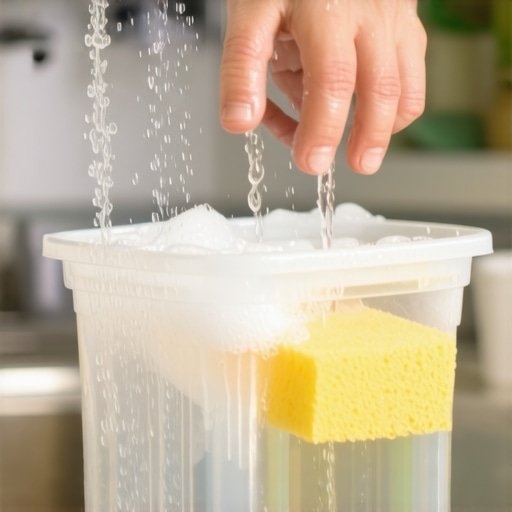
Wipe Down the Ice Mold Itself
This is the part everyone forgets. The actual tray where the water freezes—the mold—can develop a thin layer of biofilm. Reach in there with a cloth dipped in a 1:1 ratio of water and white vinegar. It is a tight squeeze, but it is vital. One time, I skipped this step and although the bin was clean, the first batch of ice still had a faint metallic tang. Don’t make that mistake. Wiping the mold ensures you’re starting from a truly sterile baseline. This is one of those simple habits that prevents the 5 mistakes that are shortening the life of your smart refrigerator by keeping the mechanical parts free from scale buildup. After cleaning, let everything dry completely before reinstalling, as any moisture left behind will immediately turn into unwanted frost.Once you’ve dried everything and reassembled the unit, you might think you’re in the clear. But here is the contrarian truth: most people over-clean with the wrong stuff. I once saw a ‘hack’ suggesting a diluted bleach soak for the ice bin. Don’t do it. High-strength oxidizers can actually degrade the smooth finish of modern plastic, creating microscopic pits where odors and bacteria can hide even deeper. This is one of those 5 mistakes that are shortening the life of your smart refrigerator. If you strip the factory finish, your bin becomes a permanent magnet for smells.
Why does the funk return even after a deep scrub?
If you’ve scrubbed the bin and replaced the filter, yet that metallic or ‘fridge’ taste persists, you’re likely dealing with a biofilm buildup in the internal water lines. This is a common trap. According to research from the Journal of Food Protection, residential ice systems often harbor heterotrophic bacteria that form a protective slime layer inside the narrow plastic tubing. This biofilm is shielded from your standard ‘bin wash.’ Have you ever fallen into this trap where you clean the visible parts but the problem sticks around? Let me know in the comments because it’s incredibly frustrating. 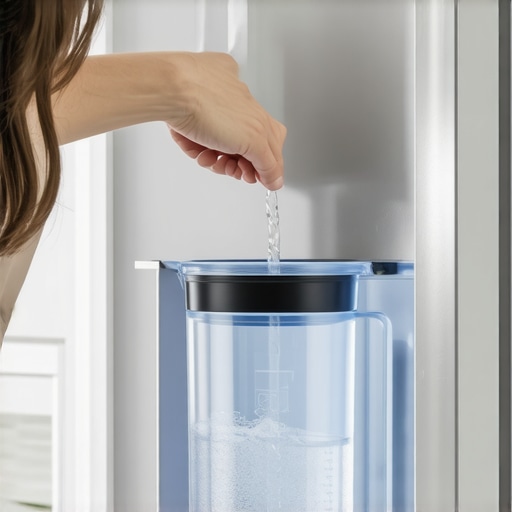 To fix this, you need to go beyond the bin. Some choosing the right refrigerator tips from industry experts suggest that newer models have a ‘flush’ mode, but for most of us, it means running at least two or three gallons of water through the dispenser after a filter change. This helps clear out the stagnant water sitting in the lines that have already absorbed those VOCs. It’s a nuance many ignore, but it’s why why modern refrigerators don’t last as long as your grandma’s in terms of consistent water quality—the components are more complex and sensitive. Another ‘oops’ factor I see constantly is the ‘freezer pack’ mistake. We all want to maximize space, but if you pack bags of frozen peas right against the air return vent, you’re forcing the air to circulate through the rest of the fridge before it hits the ice maker. This effectively turns your ice maker into an air scrubber for your leftovers. Keeping a clear three-inch radius around the vents is a tiny change that makes a massive difference. Also, don’t overlook the secret drain filter at the bottom of your fridge you never knew existed. If this drain is clogged, moisture pools and creates a humid environment that carries odors directly into the freezer’s air circulation. It’s an advanced maintenance step, but if you want truly ‘invisible’ tasting ice, it’s non-negotiable.If you really want to stop the cycle of funky ice, you need to think like a technician. I keep a dedicated ‘appliance kit’ in my utility closet. It’s not fancy—just a flexible 30-inch condenser coil brush and a simple digital thermometer. I use that brush to clear the dust off the back of the unit every six months. Why? Because dusty coils force the compressor to run longer, raising the internal temperature of your freezer just enough to cause ‘surface melt’ on your ice cubes. This tiny layer of moisture is what absorbs those kitchen smells. According to the engineering documentation from Whirlpool Corporation, even a tiny layer of dust on coils can significantly reduce cooling efficiency and increase component wear. This is one of those 5 mistakes that are shortening the life of your smart refrigerator. I also suggest you calibrate your refrigerator thermometer without calling a pro using a glass of ice water; if your fridge says 37 degrees but the thermometer says 41, your ice is going to taste like the leftovers.
How do I maintain my refrigerator’s water system over time?
Consistency is your best friend here. I’ve moved away from just reacting to bad smells. Now, I schedule a ‘system pulse’ every three months. I pull out the filter and run the dispenser for several minutes to move any stagnant water that has been sitting in the internal reservoir. It is a simple habit that prevents the metallic tang from developing in the first place. While you’re at it, check the refrigerators in 2025 with top features for built-in diagnostic modes. Many of these top smart appliances for a seamless home experience in 2025 can actually alert you when the water pressure drops, which is a precursor to biofilm buildup in the lines. 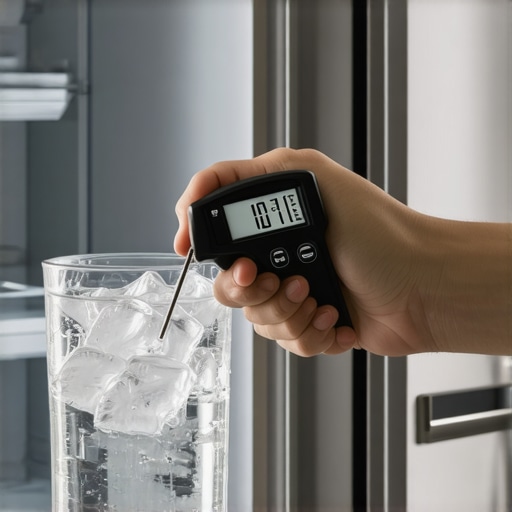
Smart Sensors are Changing the Game
Looking ahead, I see a shift toward active sterilization within the freezer compartment itself. We are already seeing the future of home appliances trends to watch in 2025 including UV-C LEDs mounted directly inside the ice storage bin. This technology, which aligns with NSF/ANSI Standard 55 for ultraviolet microbiological water treatment, will eventually make manual bin scrubbing a thing of the past by neutralizing bacteria before it can form a smell. Until then, you have to be the ‘smart’ part of the appliance. Don’t forget to update the firmware on your smart kitchen appliances as manufacturers frequently tweak the fan duty cycles to better manage internal humidity. If you haven’t done a full system flush in over a year, I challenge you to run three gallons of water through your dispenser today. You’ll be shocked at the difference in clarity and taste.
Hard-Won Truths from My Ice Maker Disaster
After years of tinkering with every setting imaginable, I have realized that the ice bin isn’t just a storage box; it is an active participant in your fridge’s ecosystem. One thing I never expected was how much why your refrigerator compressor is cycling too often could ruin the flavor profile of my cubes—shorter cycles mean more surface melting, which is essentially an invitation for odors to move in. I also learned that if you use plastic ice trays or bins, they eventually reach a ‘saturation point’ where no amount of baking soda helps; sometimes, a fresh start with a new bin is the only path to sanity. Lastly, never assume the air is clean just because you cannot see smoke; microscopic particles from that open jar of pickles are constantly hunting for moisture.
My Go-To Tools for a Truly Professional Clean
To keep my system running at peak performance, I rely on a few specific resources and tools that go beyond the manual. First, a high-quality digital thermometer is non-negotiable so you can calibrate your refrigerator thermometer without calling a pro and ensure you stay below the 0-degree Fahrenheit threshold. I also frequently consult the ultimate guide to smart home appliances for a modern living whenever I am trying to integrate my fridge’s diagnostic alerts with my phone. Finally, do not ignore the secret drain filter at the bottom of your fridge you never knew existed—cleaning this once a year has done more for my kitchen’s ambient smell than any air freshener ever could.
Reclaim the Refreshment of a Pure Cold Drink
There is nothing quite as satisfying as a glass of water that tastes like… well, absolutely nothing. Taking these small steps to maintain your ice maker does not just save your taste buds; it protects your investment and ensures your kitchen remains the heart of the home, not a source of mystery smells. Do not let a little bit of ‘onion water’ stop you from enjoying your high-end fridge to its fullest potential. You have the tools and the knowledge—now go dump that old ice and start fresh.
What’s the strangest thing your ice has ever tasted like?
I once had a batch that tasted like peppermint and frozen peas—not a great combo for an iced tea! Have you ever struggled with a persistent smell you just could not track down? Let me know in the comments below.