
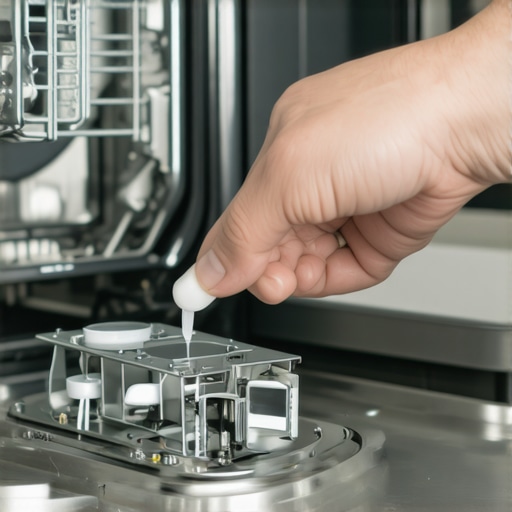
It was a Tuesday night, and the kids were finally asleep. I sat down with a book, expecting bliss. Instead, my kitchen erupted into a sound like a bag of marbles in a blender. My ‘whisper-quiet’ dishwasher was doing its best impression of a jackhammer. I’ll admit, my first instinct was to grab my phone and start shopping for innovative dishwashers with AI technology just to end the misery. But before I dropped a thousand dollars, I realized that most noises aren’t a death sentence for the appliance. Years ago, I made the classic rookie mistake: I panicked. I called an emergency technician because I thought the pump had exploded. He showed up, charged me $150 for the ‘diagnostic’ visit, and pulled a single piece of broken glass out of the filter. I was mortified. Since then, I’ve learned that a noisy pump is usually just a cry for help, not a reason for a funeral. Today, I’m going to show you how to silence that racket before it drives you insane.
Stop the Racket Without Replacing Your Machine
The ‘Why’ matters here. Why deal with it now? Because a struggling pump wears out the motor and often leads to standing water in the filter area. If your machine sounds like a jet engine, it’s working ten times harder than it needs to. Often, the culprit is just debris or a slight misalignment. You might even find that you don’t need to manually drain the dishwasher if you catch the noise early enough. Dealing with it fast prevents the pump from burning out entirely, which is a much more expensive headache. If you’ve already noticed that your dishwasher leaves water in the bottom, the noise is likely a symptom of a blockage that’s about to get worse.
Is a noisy pump really worth fixing myself?
Skepticism is healthy. You’re probably wondering if you’re going to end up with a flooded kitchen or a pile of spare parts you can’t put back together. Trust me, if you can open a jar of pickles, you can likely handle the basic maintenance needed to quiet things down. According to research from the Association of Home Appliance Manufacturers (AHAM), many service calls could be avoided entirely with simple homeowner maintenance and regular filter cleaning. Have you ever had a dishwasher noise so loud you had to turn up the TV in the next room? I want to hear about it! Before we start taking things apart, let’s look at the simple five-minute checks that solve 80% of these cases. It might even be as simple as the 5-minute fix for a dishwasher that won’t start properly. Let’s dive into the practical steps to get your kitchen back to being the quiet heart of your home.
Clear Out the Debris Trap First
Your dishwasher’s filter is like the kidney of the machine. It strains out the soggy bits of food so your spray arms don’t get clogged with last night’s taco meat. When this filter gets full, the pump has to work twice as hard to pull water through, resulting in a strained, whining sound. I once spent twenty minutes trying to figure out a mechanical failure only to find a single cherry pit rattling around in the mesh screen. It sounded like a gunshot every time the cycle hit the drain phase. To fix this, remove the bottom rack and twist the cylindrical filter counter-clockwise. Rinse it under hot water and use a soft brush. While you’re down there, check if you’ve been following the best way to stack your dishwasher for maximum clean, because poorly placed items can sometimes knock the filter loose or allow large debris to bypass the mesh entirely. If you live in an area with mineral-heavy water, you might also notice a white crust on the mesh. Using the best detergent for hard water that wont kill your dishwasher can prevent this scale from turning your filter into a solid wall that the pump can’t breathe through.
Reach Into the Belly of the Pump
If the filter is clean but the noise persists, you’re looking at the impeller. Think of the impeller as a tiny boat propeller that pushes water through the drain line. If a piece of broken glass or a rogue popcorn kernel gets past the filter, it jams against the blades. This creates a grinding or buzzing noise that can actually burn out the motor if left alone. 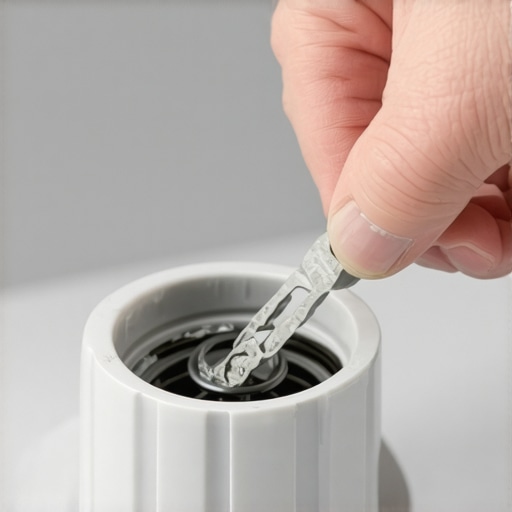 I remember a particularly stressful Sunday where my machine sounded like a woodchipper. I reached into the pump housing (with the power off!) and pulled out a fragment of a wine glass. The relief was instant. If your machine is struggling to clear water, this blockage is likely where how to fix a dishwasher that leaves water in the bottom after the cycle starts. You might also want to check why your dishwasher isnt cleaning the top rack properly, as a jammed impeller reduces the pressure needed to reach those upper jets. Getting this impeller spinning freely again is often the secret to ensuring how to get your dishwasher to finally dry your plastic tubs actually works, as a fast drain is the first step in a successful drying cycle.
Secure the Hose to Stop the Thumping
Sometimes the noise isn’t mechanical; it’s hydraulic. If the drain hose is vibrating against the cabinet, it’s basically a percussion instrument. I’ve seen setups where the hose was so loose it eventually rubbed a hole in itself, leading to a mess much worse than a little noise. Check the “high loop” or the connection to your garbage disposal to ensure the hose isn’t flopping around during the drain cycle. While you are investigating the guts of the cabinet, take a second to learn the best way to clean your dishwasher door seal without tearing it, as these hoses often sit near the seals and a build-up of gunk can hide a developing leak. If you find sticky residue near the connections, it might even be from old installation tape, and knowing how to remove that sticky residue left behind by new appliance stickers can help you keep the area clean for future inspections. Ensuring everything is snug will often turn a broken machine back into a whisper-quiet one without a single tool.
More Soap Often Means More Problems
We have been conditioned by decades of commercials to believe that a mountain of suds equals a deeper clean. In reality, modern high-efficiency (HE) machines are designed to work with incredibly small amounts of water, and excess soap is the number one killer of appliance longevity. Everyone says to follow the ‘fill line’ on the detergent cup, but in my experience, using more than two tablespoons of detergent is an invitation for a mechanical breakdown. When you over-sud, the sensors in your machine get confused, leading to extra rinse cycles that wear out the motor prematurely. This is exactly why your washer doesnt need a whole cup of detergent to get clothes clean. If you see bubbles during the final rinse, you’ve already used too much. This excess soap doesn’t just vanish; it settles into the nooks and crannies of the outer drum, creating a ‘scrud’—a waxy buildup of soap and skin cells. This is the reason your high-efficiency washer smells like old gym socks. Have you ever fallen into the ‘more is better’ soap trap? Let me know in the comments!
Can your smart appliance sensors actually lie to you?
Technically, sensors don’t lie, but they can be easily ‘blinded’ by poor maintenance. For example, in a smart refrigerator, a dusty condenser coil can cause the internal thermometer to read inaccurately, forcing the compressor to run 24/7. This is a nuance many homeowners miss: the ‘smart’ features rely on ‘dumb’ physical components being clean. According to a study by the Association of Home Appliance Manufacturers (AHAM), simple task-based maintenance can extend the life of a major appliance by up to 25%. If you are looking at the future of home appliances trends to watch in 2025, you’ll see that self-diagnostic tools are becoming standard, but they still can’t physically scrub a sensor for you. Understanding how to reset the error codes on your modern smart washer is a great skill, but cleaning the sensors is what prevents those codes from appearing in the first place.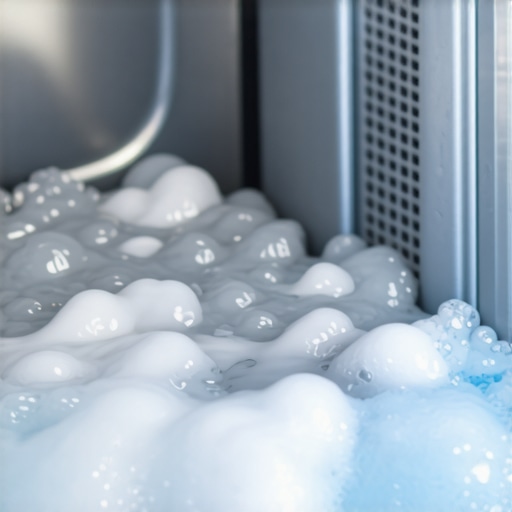
Don’t Let Fabric Softener Ruin Your Drum
The ‘Oops’ factor I see most often involves fabric softeners. While they make your towels feel like clouds, they are essentially liquid wax. This wax coats the moisture sensors in your dryer and the internal plumbing of your washer. If you’ve ever wondered why your clothes are still soaking wet after the final spin cycle, it might be because a layer of softener has gunked up the pump’s ability to sense water levels correctly. You should be especially careful with washing machines that save water, as they don’t have enough volume to properly dilute heavy additives. In fact, why you should never use too much fabric softener in your smart washer is one of the first things I tell anyone buying a new machine. It’s better to use wool dryer balls or white vinegar in the rinse cycle if you want to keep your machine—and your clothes—in peak condition for years to come.I used to think ‘maintenance’ just meant wiping down the fingerprints on my stainless steel. I was wrong. If you want to avoid a $400 repair bill, you need a specialized coil brush and a cheap multimeter. I personally use a 26-inch flexible dryer lint brush—not just for the dryer, but for the refrigerator coils. According to the Energy Star technical specifications, dusty coils can increase energy consumption by 30% and significantly shorten the compressor’s lifespan. This is the secret to making your refrigerator last twice as long. You’d be amazed at the amount of pet hair and dust bunnies living under there. Make it a habit to learn how to clean the hidden debris under your refrigerator grille every six months. 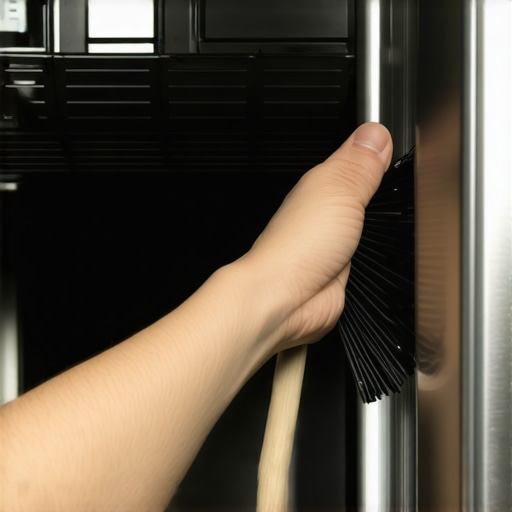
Why You Should Trust Your Gut Over a Glitchy Screen
We are rapidly moving toward a world described in the ultimate guide to smart home appliances for a modern living, where your fridge might tell you it’s sick before it breaks. I predict that the future of home appliances trends to watch in 2025 will include AI-driven acoustic sensors that detect the exact vibration frequency of a failing bearing before it even starts to make a noise audible to the human ear. Until then, you need to be the sensor. If your smart screen freezes, don’t panic and think the appliance is dead. Just learn how to hard reset your smart refrigerator control panel instead of calling a technician. Before you decide is a smart fridge really worth the extra money, consider if you’re willing to do the analog work to keep the digital parts happy.
How do I keep my high-efficiency appliances from dying early?
Consistency is the boring truth. It’s about checking the things you can’t see. For example, knowing the secret drain filter at the bottom of your fridge you never knew existed can prevent that mysterious puddle on your kitchen floor that ruins your hardwood. My advanced tip for today: go grab a basic kitchen thermometer and see how to calibrate your refrigerator thermometer without calling a pro. It’s the single easiest way to ensure your food stays safe while making sure your motor isn’t overworking due to a $10 sensor being out of whack.
The Expensive Lessons I Had to Learn the Hard Way
After years of wrestling with rattling pumps and washing machines that save water, I’ve realized that the ‘smart’ in smart appliances doesn’t always mean ‘self-healing.’ Here is the insider wisdom I wish someone had handed me ten years ago.
- The ‘Jet Engine’ sound is never normal. If your machine is loud enough to interrupt a conversation, you are likely shortening the motor’s lifespan with every cycle.
- Maintenance is a recurring commitment. Just as you would follow the advice in the ultimate guide to smart home appliances for a modern living, you must physically ‘refresh’ your pump by clearing debris.
- Debris is the primary culprit. Most dishwasher failures are physical, not electrical; small items like cherry pits or glass shards often bypass the primary filter and jam the impeller.
What Is Actually in My Kitchen Repair Toolkit
I don’t recommend buying an entire workshop, but these three specific tools have saved me thousands in service fees. First, a 26-inch flexible brush is non-negotiable. I use it for the dishwasher drain, but it’s also essential to clean the hidden debris under your refrigerator grille. Second, a basic multimeter allows you to test sensors yourself instead of guessing. Third, I always keep white vinegar nearby to dissolve the hard water scale that strains the pump. #IMAGE_PLACEHOLDER_E# Finally, I use my phone to sync your smart kitchen appliances to one app, allowing me to monitor performance and catch mechanical errors in real-time.
Take Back the Peace in Your Home
Your kitchen should be a sanctuary, not a source of mechanical stress. By spending a few minutes every few months on these basic checks, you aren’t just fixing a noise; you are extending the life of your home appliances. Don’t wait for a flood to take action. You now have the knowledge to keep your house running smoothly and quietly. Have you ever found a truly bizarre object jammed inside your dishwasher pump? Share your funniest maintenance story in the comments below!