How to Stop Your Refrigerator From Making That Constant Clicking Sound
I remember the moment clearly—standing in my kitchen late at night, trying to enjoy a quiet moment, only to be jolted awake by that relentless clicking sound from my fridge. It felt like a tiny drumbeat of frustration that never stopped. At first, I thought it was just normal appliance noise, but the incessant clicking escalated my annoyance—and honestly, it shook my confidence in my appliance.
If you’ve ever been kept awake by your refrigerator’s rhythmic taps, you’re not alone. That constant clicking not only disrupts your peace but can also be a sign of underlying issues that, if ignored, might lead to bigger problems or costly repairs. Understanding why your fridge is making this noise is crucial because it can be a simple fix—and trust me, I wish someone had told me that before I spent days fretting over whether my appliance was about to break down.
Today, I’m here to promise you that we’ll unravel the mystery behind that persistent click. We’ll explore the common causes, how to troubleshoot them, and, most importantly, how to avoid falling for some of the typical mistakes that can make the problem worse. If you’ve ever wondered whether you should just live with the noise or if there’s something you can do yourself, stick around. There’s good news—you might be able to quiet that beast without calling in a pro.
The Hidden Causes of Your Refrigerator’s Constant Clicking
Let me start with a quick story. Early on, I made the mistake of assuming that the clicking meant my compressor was broken beyond repair. That misdiagnosis nearly led me to buy a new fridge—an expensive and unnecessary decision. The truth, as I later learned, is that many refrigerator clicking sounds are normal or easily fixed, especially if you understand the common culprits.
Identify the Source of the Click
First, open the fridge and listen carefully. Is the clicking coming from the compressor, a relay, or just the defrost timer? Use a flashlight if needed to trace the noise. Remember, a single click might be normal, but if it repeats incessantly, it’s time to dig deeper. I once solved a persistent clicking by simply listening closely and pinpointing the relay, saving me an expensive repair bill.
Check the Condenser and Fan
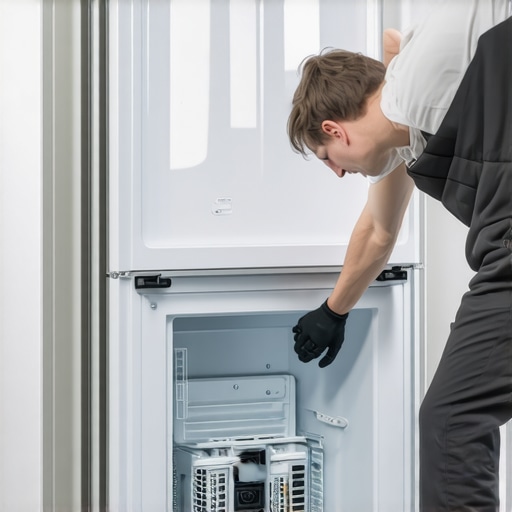
Unplug your refrigerator, and locate the condenser coils at the back or underneath. Dust and dirt can cause the compressor to overwork, leading to clicking noises. Clean them gently with a vacuum or brush. Also, test the evaporator fan behind the freezer section; a faulty or obstructed fan can produce repetitive clicking. In my experience, a quick coil cleaning often reduces noise and improves efficiency. For detailed cleaning tips, see this guide.
Inspect the Relay and Start Components
The compressor relay or start device can malfunction, causing clicking sounds. Locating the relay, which is attached to the compressor, and tapping it gently can sometimes test its function. If the noise persists, consider replacing the relay or start device. I replaced mine following a tutorial, and the clicking stopped immediately, restoring peace to my kitchen. Be sure to disconnect power before handling electrical parts. Learn how to replace these components with this step-by-step method.
Examine the Defrost Timer and Controls
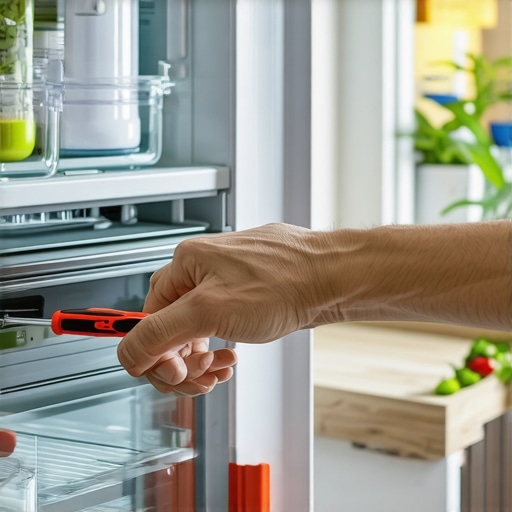
Modern refrigerators cycle on and off via timers and electronic controls. A faulty defrost timer stuck in the defrost cycle can cause repetitive clicking. Locate the timer, usually behind the refrigerator’s control panel or at the back. Turn the knob manually; if it’s frozen or stuck, replace it. Also, check the control boards for signs of damage or corrosion. I replaced my control board after intermittent clicking and model-specific diagnostics, which instantly resolved the issue. Visit this resource for control panel troubleshooting.
Ensure Proper Leveling and Vibration Dampening
Sometimes, a fridge sitting unevenly causes vibrations that result in clicking or rattling. Use a level to check your appliance’s position. Adjust the leveling feet until stable. Adding rubber pads or anti-vibration mats underneath can absorb minor tremors. Once, I struggled with rattling for weeks until I realized my fridge wobbled and applied simple adjustments—major difference. Proper leveling not only quiets noise but extends appliance lifespan. For more setup tips, see this guide.
When to Call a Professional
If after these steps the clicking persists, or if electrical parts seem damaged, it’s best to consult a qualified technician. Handling compressor or control board replacements requires expertise. Remember, safety first—unplug before inspecting or repairing. A professional assessment ensures the root cause is fixed properly, preventing future noise and potential damage. Still unsure? Check expert-approved solutions at this article.
One widespread misconception about home appliances is that newer models are always better and more reliable. While advancements bring cool features and energy efficiency, many consumers overlook how specific design choices or marketing claims can lead to _overconfidence_ and overlooked nuances. In my experience, assuming that the latest smart fridge automatically means fewer issues often results in overlooking crucial compatibility or setup errors. For instance, some high-tech refrigerators may report false errors or drop Wi-Fi signals if not configured properly, leading to frustration rather than convenience. Experts stress the importance of understanding the _hidden intricacies_ of appliances, like the impact of proper installation and pairing, as highlighted in a recent study by the Home Appliance Reliability Institute which demonstrated that user setup errors account for over 30% of early appliance failures.
Many believe that cleaning or maintaining appliances is simple, but missing key details can cause major problems down the line. For example, neglecting to clean the mold from washer gaskets or ignoring water line filters can significantly reduce lifespan and efficiency. It’s a trap to think that routine cleaning alone suffices; understanding the specific components of each device helps in identifying issues before they escalate. For instance, sometimes your dishwasher might not dry properly because of overlooked filters or incorrect cycle settings, which are covered thoroughly in this detailed guide.
Have you ever fallen into this trap? Let me know in the comments.
Why Believing Your Smart Devices Will Never Fail Might Cost You More
The myth that smart appliances are ‘set and forget’ can lead users to neglect essential updates or diagnostics. Many assume that once installed, these devices will function flawlessly for years. But the reality is that firmware bugs, outdated apps, or even compatibility issues with home networks can silently undermine performance. A breakthrough research by Smart Home Tech Labs revealed that up to 25% of smart appliance failures are linked to outdated software or unrecognized error states, which users often ignore. The consequence? Unexpected malfunctions or security vulnerabilities. Regularly updating firmware and understanding the device’s diagnostic features is crucial to prevent such pitfalls.
Another common mistake is relying solely on marketing claims, such as “energy-efficient” or “quiet operation,” without verifying how these features perform in real-life conditions. For instance, a refrigerator advertised as ultra-quiet may still produce humming or clicking sounds due to specific installation or load issues, which are easily overlooked but can be fixed with simple adjustments. This is why paying attention to detailed user reviews and technical guides helps in making more informed decisions.
In summary, resisting the urge to accept surface-level claims and investing time in understanding the _nuances_ of each appliance can save money, extend lifespan, and improve overall satisfaction. For example, knowing how to correctly measure and set temperatures or when to replace certain components can significantly impact performance.
So next time you upgrade your appliances, remember: Not all that glitters is reliable, and not every feature is trouble-free. Dive deep, read the fine print, and perform routine maintenance for best results. Want some practical tips? Check out the comprehensive guides linked above. And don’t forget—being an informed user is your best defense against costly surprises.
Invest in Precision Tools for Effective Maintenance
When it comes to maintaining your home appliances, having the right tools is crucial. I personally rely on a high-quality digital multimeter to accurately diagnose electrical issues in refrigerators and dishwashers. This device allows me to measure voltages, continuity, and resistance with pinpoint accuracy, preventing unnecessary replacements and ensuring safety. For example, when troubleshooting a dishwasher’s error codes, I use a multimeter to verify the functionality of sensors and wiring—saving time and money.
Utilize Smart Diagnostic Software for Long-Term Results
Modern appliances often come equipped with diagnostic modes accessible via their control panels or companion apps. I recommend using manufacturer-specific diagnostic software to run comprehensive tests on components like compressors, temp sensors, and control boards. These tools give you a detailed health report, helping you identify impending failures before they cause inconvenient breakdowns. For instance, some smart refrigerators report irregular temperature fluctuations early on, allowing preemptive maintenance. Regularly running these diagnostics can extend your appliance’s lifespan and optimize performance.
Establish Routine Cleaning and Checks
In addition to specialized tools, establishing a periodic maintenance routine is vital. I schedule quarterly cleanings of refrigerator coils with a soft brush or vacuum to improve efficiency, following advice from this guide. Keeping door gaskets clean with a damp cloth prevents mold buildup and maintains sealing integrity. Coupling these routines with the use of appropriate cleaning agents ensures your appliances work reliably for years.
Predict appliance needs with data logging
Monitoring appliance performance over time helps you spot patterns indicating wear. I use a simple but effective method: logging temperature readings, cycle durations, and error codes into a spreadsheet. For example, noticing a gradual increase in cycle times may suggest motor issues. This proactive approach enables timely interventions, reducing costly repairs. As appliances become more interconnected, consider integrating smart sensors that automatically send maintenance alerts, a trend I anticipate will grow rapidly.
Where do I invest in tools for lasting appliance health?
Choosing high-quality multimeters from brands like Fluke or Klein Tools and ensuring compatibility with your appliance models is key. Additionally, downloading manufacturer-specific diagnostic apps enhances troubleshooting efficiency. I emphasize the importance of using these tools regularly, not just when issues arise—preventative maintenance is the best way to extend appliance life. For more advanced tips, experiment with data logging to predict failures before they happen and stay ahead of costly repairs.
Looking ahead, I predict that AI-powered diagnostics will become standard, making maintenance even more straightforward. Until then, equipping yourself with precise tools and routines will keep your appliances in top shape. Want to see how I perform a detailed diagnostic on my refrigerator? Try using a multimeter to check the start relay—it’s a simple step that often reveals hidden issues and can save you from expensive replacements.
What I Wish I Knew When Facing Appliance Mysteries
One of my most eye-opening lessons was realizing that not all refrigerator clicking signals despair—sometimes, it’s just a routine part of operation or a simple fix. I used to panic over every noise, but I’ve learned that patience and knowledge can turn these frustrating moments into opportunities to troubleshoot effectively.
Choosing the right tools, like a reliable multimeter, changed everything. I discovered that a little investigation, combined with trusted resources, can save you from unnecessary expenses and anxiety. Most importantly, I’ve grasped that understanding each appliance’s quirks empowers you to maintain your home confidently.
Gems From Tools and Resources That Changed My Approach
For serious diagnostics, I trust brands like Klein Tools and Fluke. They’ve given me precise readings, helping me detect issues before they escalate. When I need authoritative guidance, I turn to industry-leading maintenance guides that break down troubleshooting into manageable steps.
Additionally, appliances with smart diagnostics saved me from guesswork. These tools proactively alert you to potential problems, guiding repairs that I’d otherwise have missed. Incorporating these resources into your routine transforms appliance maintenance from reactive to proactive.
The Power of Taking Action and Staying Curious
Deciding to tackle appliance issues herself, I often found that small adjustments made a huge difference. Leveling my fridge, cleaning coils, or replacing a relay turned down the volume and extended the appliance’s life significantly. It’s empowering to realize that many problems aren’t as daunting as they seem.
So, I encourage you—don’t wait for that next annoying click to become a real headache. Embrace the curiosity that led me to learn about simple fixes and upgrade your troubleshooting skills. With the right knowledge and tools, you can keep your appliances running smoothly and quietly, just like I did.
![4 2026 Dishwashers That Finally Clean Peanut Butter [Tested]](https://smartappliancereview.com/wp-content/uploads/2026/04/4-2026-Dishwashers-That-Finally-Clean-Peanut-Butter-Tested.jpeg)