
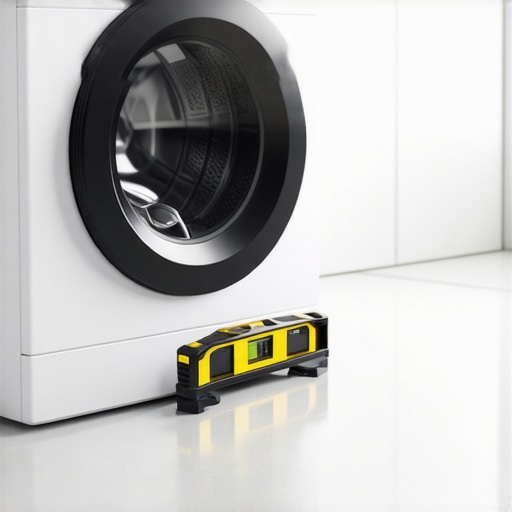
I’ll never forget the Tuesday evening my laundry room decided to hold a rhythmic gymnastics competition. I was in the kitchen, minding my own business, when a series of thunderous bangs shook the floorboards. I honestly thought my floor was caving in. I sprinted toward the noise, only to find my front-loader about six inches away from its usual spot, vibrating with such intensity that the detergent bottle had already vibrated its way off the top and onto the floor. It’s a scene many of us know too well—the dreaded “walking” washing machine.
Stop the Stampede in Your Laundry Room
It’s more than just a noisy nuisance. When your machine decides to go for a jog, it’s putting massive stress on your plumbing connections and potentially cracking your floor tiles. I spent months just pushing the thing back into place after every load, thinking I’d just bought a finicky model. I even tried investigating why your front loader is vibrating so hard it shakes the whole house to see if I was alone in this. I’ve realized that most of us are just one or two small adjustments away from a peaceful laundry day. We’re going to walk through exactly how to pin that machine down so it stays exactly where you put it.
Is My Machine Just a Total Lemon?
It’s easy to think you’ve wasted thousands of dollars on a defective unit. However, most of the time, the machine isn’t broken; it’s just fighting against physics. Early on, I made the classic rookie mistake of ignoring the levelness of the floor itself. I just assumed that if the machine looked straight, it was fine. Wrong. Even a fraction of an inch of tilt can turn a spin cycle into a demolition derby. According to a study by the Association of Home Appliance Manufacturers, unbalanced loads are the leading cause of premature mechanical failure in modern high-efficiency units. If you’ve noticed why your washing machine keeps getting an unbalanced load error, it’s likely because the internal sensors are trying to correct the wobble by adding more water or slowing down. Have you ever found yourself literally leaning against the machine during the final spin just to keep it from hitting the wall? You aren’t alone, but you definitely don’t have to live like that.
Why Leveling Feet Aren’t Always Enough
The first thing I did was twist those little rubber feet until my fingers were raw. It helped for a week, but then the jumping started again. The secret isn’t just about height; it’s about stability and friction. If you’re on a slick tile or laminate floor, those rubber feet can still slide. I found that the trick to stopping a vibrating washing machine during the spin involves much more than just a quick twist. When I finally learned how to level a washing machine so it stops banging on tile floors, I realized I had skipped a crucial step: checking the lock nuts. Most people adjust the height but forget to tighten the nut against the frame. This allows the leg to slowly unscrew itself over time due to the vibration. It’s those tiny details that separate a quiet home from a house that feels like a construction zone. We’re about to dive into the literal nuts and bolts of getting this fixed once and for all.
Check the Shipping Bolts Before the First Spin
If your machine is brand new or you just moved, the most likely culprit for a violent shake is a set of shipping bolts still clinging to the back of the drum. These heavy-duty steel rods are designed to keep the wash tub from bouncing during transport, but if you leave them in, the machine has zero suspension. It becomes a rigid box of metal that transfers every ounce of kinetic energy directly into your floor. I remember moving into my third apartment and thinking the building was under a localized earthquake. I’d forgotten to pull the four bolts out of the back. Once I did, the machine went from a bucking bronco to a purring kitten. If you are struggling with how to stop your washing machine from walking during the spin cycle, check those bolts first. They are usually bright plastic-capped screws on the rear panel that require a simple wrench to remove.
Grab a Spirit Level and Get to Work
You cannot eyeball a level machine. Floor surfaces, especially in older homes or laundry closets, are rarely perfectly flat. Place a spirit level on top of the machine, checking it both side-to-side and front-to-back. If the bubble isn’t dead center, your machine is doomed to drift. Think of it like a table with one short leg; every time you put pressure on it, it tips. In a washing machine, that tipping happens a thousand times a minute during the spin. When you finally learn how to level a washing machine so it stops banging on tile floors, you realize that the goal is to have equal weight distribution on all four corners. If one leg is even slightly ‘light,’ the centrifugal force will catch that gap and start the walking process.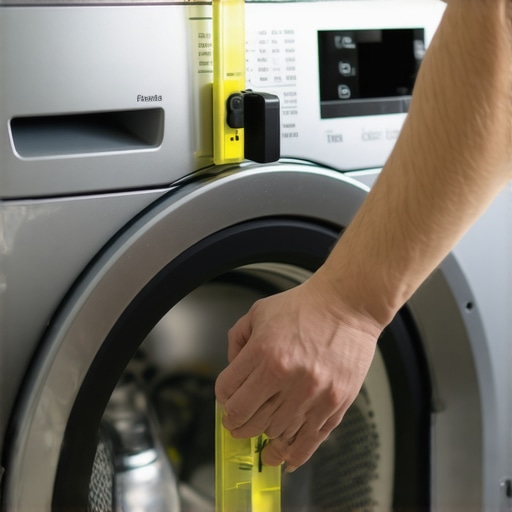
The Lock Nut Is Your Best Friend
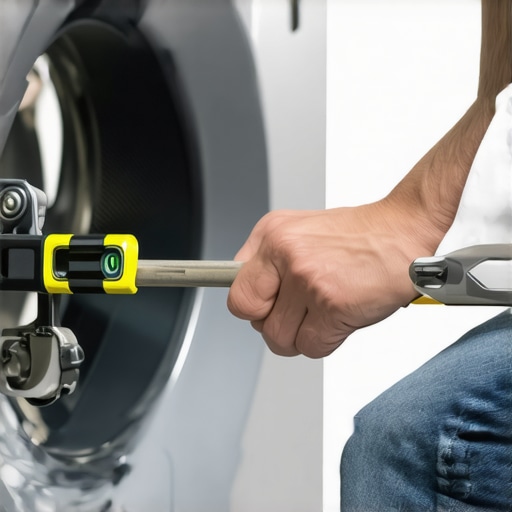
This is where most DIY fixes fail. You’ve adjusted the legs, the bubble is centered, and you’re feeling proud. But if you don’t tighten the lock nut—the thin metal nut located at the very top of the threaded leg—the vibration will slowly spin that leg back out of position. It’s like a slow-motion undoing of all your hard work. I once spent three weekends in a row leveling my washer before I realized those nuts were loose. Use a pair of pliers to cinch that nut tight against the underside of the machine frame. This creates a solid, unmoving pillar. For those using how smart washing machines can simplify laundry day, remember that even the most advanced AI can’t compensate for a physically loose leg.
Tackling Slick Surfaces with Traction
If your machine is level and the nuts are tight but it still slides, the problem is friction—or lack thereof. Slick porcelain tiles are the enemy of rubber feet. Over time, detergent film and dust create a ‘skating rink’ effect. I found that the trick to stopping a vibrating washing machine during the spin often involves anti-vibration pads. These are thick, dense rubber pucks that the feet sit in. They absorb the micro-vibrations before they hit the floor and provide a high-grip surface that refuses to budge. If you have a massive unit, like those found in the most reliable washing machines for large families with heavy loads, these pads are a non-negotiable addition to your laundry room setup.I used to think that if my clothes were extra muddy, I should just double the detergent. It’s the ultimate laundry logic trap. But here is the contrarian truth: more soap actually makes your clothes dirtier and your machine louder. High-efficiency machines operate on such low water volumes that excess suds act as a cushion, preventing the clothes from rubbing against each other—which is how they actually get clean. Worse yet, that extra foam creates a ‘suds lock’ that forces the motor to work harder, leading to the very vibrations we’re trying to stop. I finally learned the secret to using less detergent in your high-efficiency washer after a repairman showed me the literal ‘slime’ building up behind my drum. If you’ve seen why your high-efficiency washer leaves white streaks on dark clothes, you’re likely seeing unrinsed soap residue, not lint.
Is Your Smart Software Throttling Your Spin Cycle?
Many owners assume a ‘smart’ machine is autonomous, but it’s actually a slave to its sensors. If your machine is slightly out of balance, the onboard computer will often ‘throttle’ the spin speed without telling you, leaving clothes soaking wet. This is why why your smart appliance app keeps asking for a firmware update; manufacturers are constantly tweaking the sensitivity of these sensors to prevent the machine from ‘walking’ across the room. According to a technical report by Yale Appliance, over 25% of modern service calls are actually software-related issues that a simple recalibration or update could have solved. 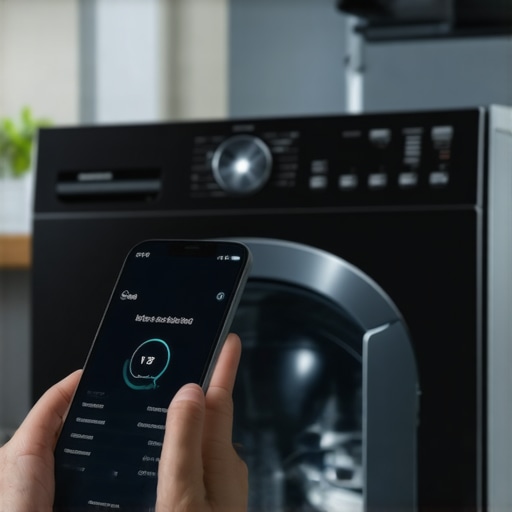
The Trap of the Forever-Sensing Cycle
Here is the ‘oops’ factor I see most often: people get stuck in a loop where the machine just hums and never starts. This usually happens because the machine is trying to weigh the load, but a tiny piece of debris is stuck in the drain pump or the internal pressure sensor is gunked up. If you’re wondering how to fix a washing machine that is stuck on the sensing cycle, start by checking the manual filter—not just the settings. This hidden maintenance is something most of us ignore until the floor starts shaking again. Even in the kitchen, the hidden sensor in your dishwasher that needs a manual scrub can cause the whole system to miscalculate water levels. We treat these machines like magic boxes, but they are just sensitive robots that need a clean workspace. Have you ever fallen into this trap of adding ‘one more scoop’ for luck? Let me know in the comments.
I used to think a toolkit was just for when things broke, but with today’s high-tech gear, your best tool is actually a calendar and a microfiber cloth. To avoid the swampy smells we all hate, I make it a habit to wipe down the rubber gasket weekly and leave the door ajar. It sounds simple, but it’s the difference between a fresh load and a moldy disaster. If you aren’t sure where to start, learning how to prevent mold growth in your washing machines door seal is the single most impactful thing you can do for the longevity of your front-loader.
The Maintenance Routine That Saves My Sanity
Maintenance isn’t just about cleaning; it’s about checking the hidden components that take the most abuse. Once a month, I get down on my knees and tackle the pump filter. Knowing how to clean the debris filter on your front load washer effectively will save you from the dreaded ‘drain failure’ mid-cycle. I personally keep a shallow tray and some old towels nearby, because that little filter housing always holds about a cup of stagnant water. In the kitchen, I apply the same logic to my fridge. I often perform a quick check to test if your fridge door seal is actually airtight using the dollar bill trick—if it slides out too easily, your compressor is working double time for no reason.
How do I maintain my smart appliances over time?
Consistency is your greatest ally. I recommend a quarterly ‘Deep Dive’ where you look beyond the surface. For dishwashers, this means clearing the spray arms of mineral deposits. For washers, it means running a dedicated cleaning cycle with a high-quality descaler. According to the Samsung Service Technical Bulletin (STB-2023-014), ignoring these small maintenance windows can increase drum bearing wear by up to 40% due to friction and imbalance issues over time. We often get caught up in the digital side, but these machines are mechanical beasts at heart. If you want a top smart appliances for a seamless home experience in 2025, you have to treat them with the same respect you’d give a high-end car.
Predictive Tech and the Road to 2025
Looking at refrigerators in 2025 top features, we are seeing a shift toward ‘predictive maintenance.’ Soon, your fridge won’t just tell you the door is open; it will analyze the sound of the fan motor and alert you weeks before it fails. However, we aren’t quite there yet for every household. For now, understanding the future of home appliances trends to watch in 2025 means being comfortable with firmware updates and manual checks. I personally use a vibration-tracking app on my phone twice a year to ensure my leveling hasn’t drifted. If you’re feeling bold, I challenge you to pull your machine out today and check the filter—you’ll be shocked at what’s been hiding in there. Set a recurring alert on your phone for a ‘Filter Friday’ once a month; your future self will thank you for the lack of unexpected floods and service fees.
The Hardest Lesson I Learned While Wrestling My High-Efficiency Washer
After years of trial and error, I’ve realized that even the most advanced smart appliances are only as reliable as their physical foundations. Here is the insider truth that took me too many flooded floors to realize: first, your machine isn’t just a gadget, it’s a high-speed centrifuge that requires mechanical respect. I spent far too long trusting ‘AI sensors’ to fix a problem that only a wrench and a bit of patience could solve. Second, if you ignore a leaky gasket or a vibrating drum for too long, you’ll eventually need to learn how to replace the door seal on a front load washing machine, which is a much bigger Saturday project than simple weekly maintenance. Finally, remember that balance is everything—not just in the load, but in the equal pressure applied to all four feet.
Gear That Actually Keeps My House from Shaking
I don’t believe in buying every gadget on the shelf, but three specific items have changed my laundry life for the better. A 24-inch magnetic spirit level is my first recommendation; it sticks to the top of the machine so you can adjust the legs with both hands free. Next, high-density rubber isolation pads are the only reason my kitchen floor isn’t cracked; they act like shock absorbers for your home. I also swear by using a dedicated HE descaler once a month to prevent the internal grit that causes phantom ‘unbalanced’ errors. If you are researching washing machines that save water expert advice for 2025, you will find that physical stability is the key to making those eco-friendly features last a decade instead of a few years.
#IMAGE_PLACEHOLDER_E#
Your Home Deserves Some Peace and Quiet
You don’t have to tolerate a home that vibrates every time you want clean towels. By taking twenty minutes today to check those shipping bolts, level the legs, and tighten the lock nuts, you are extending the life of your equipment and saving your sanity. It’s about more than just the machine; it’s about having a home that feels like a sanctuary instead of a construction site. Go grab your level and see just how far off-center your machine has drifted—you might be surprised how easy the fix really is. Have you ever found a ‘mystery object’ in your debris filter that was causing a massive racket during the spin cycle? Let me know in the comments below!