
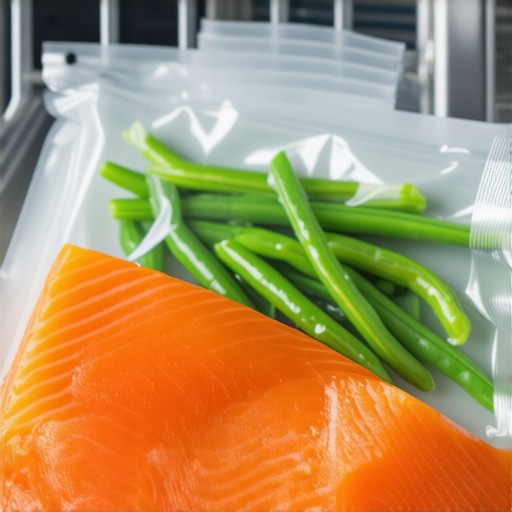
I remember the day I pulled a premium ribeye out of my fancy new smart fridge, only to find it covered in those jagged, white ice crystals. It looked like it had been buried in the tundra for a decade. I was furious. I thought these high-tech machines were supposed to be smarter than my old basement unit. I felt like I had been duped by a shiny touchscreen and some Wi-Fi connectivity. The frustration was real, especially because I had spent weeks choosing the right refrigerator based on all those glowing industry reviews. But here is the truth: your smart fridge is a powerhouse of technology, but it still cannot fight the laws of physics without a little help from you. I have spent the last three years tweaking settings and testing storage methods to figure out exactly why this happens. Today, I am sharing the secret sauce that keeps my food tasting fresh for months instead of days.
Stop Letting Your Tech Fail Your Food
One of my biggest blunders early on was assuming that a Smart Cool setting meant I could just toss groceries in haphazardly. I did not realize that learning how to organize your freezer to prevent frost burn and food waste is actually half the battle. According to the USDA Food Safety and Inspection Service, freezer burn is not a safety issue, but it is a massive quality killer caused by air reaching the surface of the food and drying it out. My smart fridge was actually working overtime to compensate for my bad packing, which led to the compressor running constantly. I even had to recalibrate my refrigerators internal thermometer because I had blocked the vents so badly that the sensors were getting false readings.
Do These Expensive Sensors Actually Work?
You might be wondering if that high-end model you just bought is even worth the hype if it cannot keep a bag of peas from turning into a brick. I have been there. It is easy to feel skeptical when the app tells you everything is fine, but your ice cream is full of crunch. Have you ever opened your freezer and felt like you were losing a battle against the ice despite having the latest tech? I would love to hear your horror stories in the comments. Before we dive into the mechanical fixes, we need to address the simple habits that are likely sabotaging your appliances performance. The real magic happens when you stop relying solely on the automation and start understanding the airflow. We often get distracted by the top features that transform your kitchen, but preventing ice buildup is actually about the boring stuff like seals and placement.
Don’t Choke Your Fridge’s Lungs
Think of your smart refrigerator like a set of lungs. It needs to inhale and exhale air constantly to maintain that crisp, even temperature. I learned this the hard way during a summer BBQ prep when I shoved three massive trays of marinated steaks directly against the back wall of my freezer. Within six hours, the fridge was humming like a jet engine, and the sensor was screaming about a temperature spike. By blocking those vents, I had essentially put a plastic bag over the machine’s head. The compressor, likely one of those high-tech inverter compressors, was ramping up to maximum RPM just to fight the lack of circulation. To avoid this, always leave a two-inch ‘no-fly zone’ around every vent you can see. If you can’t see the vents, feel for where the cold air is blowing and keep it clear.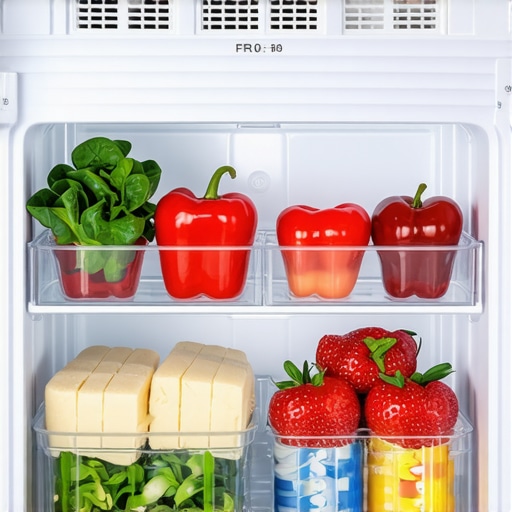
Test Your Seals Regularly
Even the most advanced AI can’t compensate for a physical leak in your kitchen’s climate control. If your smart app is constantly sending you ‘Door Open’ alerts or if you see moisture beads forming on the shelves like dew on a lawn, your gasket is the prime suspect. You need to know how to test if your fridge door seal is actually airtight. I do this every six months: close a dollar bill in the door; if it slides out easily, your seal is shot. A loose seal lets warm, humid air in, which is the number one cause of that jagged ice buildup that ruins your ice cream. While you are checking the doors, take a look at why your refrigerator is freezing the eggs on the top shelf. Often, this isn’t a software bug but a result of cold air dumping directly onto delicate items because the shelves are positioned in the path of the primary cooling blast.
Clean Your Coils to Save the Compressor
We often focus on the inside, but the real work happens underneath or behind the unit. If you have a Golden Retriever like I do, your fridge is basically a giant vacuum cleaner for dog hair. When the condenser coils get matted with fur and dust, they can’t release heat effectively. This makes the interior temperature fluctuate wildly, which is a primary recipe for freezer burn. Learning how to keep your refrigerator coils clean in a pet-friendly home will save your compressor from an early grave. I set a recurring reminder on my phone to vacuum the base of the fridge every time I change my HVAC filters. It’s a five-minute job that prevents those $500 repair bills and keeps the food stable.
Audit Your Digital Thermostat
Finally, don’t trust the digital display blindly. If the screen says 37 degrees but your milk feels lukewarm or your spinach is wilting, the internal calibration is likely off. You should know how to calibrate your smart fridge temperature sensors using an independent analog thermometer. I once discovered my ‘smart’ fridge was actually four degrees warmer than it claimed, which explained why my leftovers were only lasting two days instead of four. Simply adjusting the offset in the service menu—or through the app—realigned the hardware with the software, ensuring that ’37 degrees’ actually meant 37 degrees.
Throw Away the Measuring Cup
Everyone tells you that more soap equals cleaner clothes, but in my years of testing high-end units, I have found the exact opposite to be true. This is the ‘Cleanliness Paradox’ of modern tech. If you own a high-efficiency machine, you are likely poisoning its internal sensors with a mountain of suds. Modern sensors rely on water clarity and conductivity to determine if a load is done. When you over-pour, the machine gets confused, leading to extra rinse cycles that wear out the motor and leave your clothes feeling stiff. I finally realized the secret to using less detergent in your high-efficiency washer is actually about trusting the tech to do more with less. If you see residue, you aren’t seeing ‘extra clean’; you are seeing chemical buildup. In fact, why your high-efficiency washer leaves white-streaks on dark clothes is almost always a result of this detergent-overdose trap. The Association of Home Appliance Manufacturers (AHAM) notes that excessive suds can actually cushion the clothes, preventing the mechanical friction needed to actually knock dirt loose. 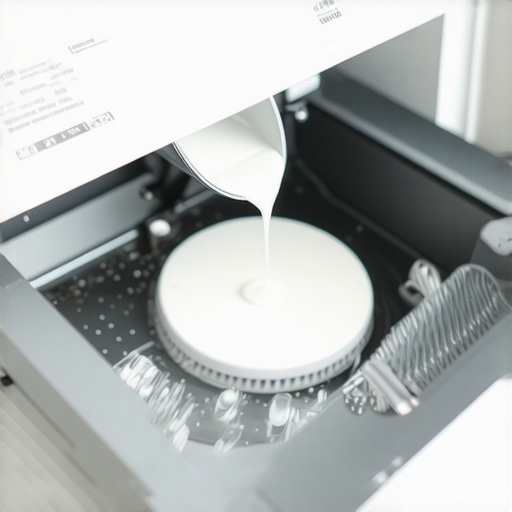
Why Does My High-Efficiency Washer Smell Like a Damp Basement?
This is the number one question I get from people who upgrade to a smart front-loader. They expect a premium experience and get a swampy odor instead. The mistake isn’t the machine; it is the habit of closing the door immediately after a cycle. These units are airtight by design. If you don’t let them breathe, you are essentially creating a petri dish for mold. I had to learn why your front load washer smells like a swamp and how to fix it by literally scrubbing the gasket with a toothbrush. It was a wake-up call. Now, I always leave the door ajar and occasionally how to use the steam setting on your washer for better stain removal while also sanitizing the drum.
Don’t Let Your Dishwasher Cycle Kill Your Wallet
We often default to the ‘Heavy’ or ‘Intense’ cycle because we think it’s the only way to get results, but this is a mechanical trap. Running these cycles daily puts immense strain on the heating element and the circulation pump. You need to understand the hidden cost of running your dishwasher on the heavy cycle daily—it is not just about the water bill, it is about the lifespan of the appliance. Smart dishwashers are designed to work over longer periods using less heat; let the ‘Eco’ mode do its job.
Stop Ignoring Those Annoying Firmware Pop-ups
It is tempting to hit ‘remind me later’ when your fridge or washer asks for an update, but these aren’t just for ‘new features.’ Often, these updates contain critical patches for sensor calibration or energy management. If you have ever wondered why your smart appliance app keeps asking for a firmware update, it is usually because the manufacturer found a way to make the compressor run 5% more efficiently. Ignoring them is literally leaving money on the table. You can even learn how to use your smart washers delayed start for cheaper energy rates by syncing your updates with your local utility’s peak hours. Have you ever fallen into this trap of over-washing or ignoring the digital maintenance of your home? Let me know in the comments.
The Two Tools That Actually Save Your Weekend
I used to call a technician for every little hiccup until I realized that 90% of smart appliance failures are simple mechanical blocks or sensor glitches. Now, I keep a digital multimeter and a set of long-reach flexible brushes in my utility drawer. If you suspect a hardware failure, you need to know how to tell if your dishwasher heating element is actually broken before you spend $300 on a replacement part. I personally use a Fluke 117 because it handles non-contact voltage detection, which is a lifesaver when you are poking around the back of a wet dishwasher. My other ‘secret weapon’ is a simple 24-inch dryer vent brush. I don’t just use it for the dryer; I use it to reach under the refrigerator to pull out the matted pet hair that the vacuum misses. 
Your Dishwasher Is Hiding a Filthy Secret
Even the most innovative dishwashers with AI technology you must know about can’t clean themselves. If your plates are coming out gritty, it is almost certainly the filter. I make it a point to perform the easiest way to clean the filter in your dishwasher every Sunday morning. It takes thirty seconds, but it prevents the recirculating pump from grinding down. While you’re down there, check the turbidity sensor. According to the International Electrotechnical Commission (IEC) 60436 standard for dishwasher performance, a dirty sensor can increase energy consumption by up to 20% because the machine ‘thinks’ the water is dirtier than it is. If your dishes stay wet, don’t blame the soap yet; check the hidden sensor that stops your dishwasher from drying properly. Often, it’s just a layer of limescale that needs a quick wipe with white vinegar.
How do I keep these smart machines running for a decade?
Maintenance is a marathon, not a sprint. For washing machines, the biggest killer isn’t the motor—it’s the drain pump. I’ve seen so many people struggle with how to diagnose a washing machine that wont spin at full speed, only to find a stray bobby pin or a coin jammed in the debris filter. You must learn how to clean the debris filter on your front load washer effectively at least once a month. If you don’t, that standing water will eventually burn out the pump’s motor, leading to a much more expensive repair.
Predictive Maintenance Is the Next Big Thing
Looking ahead, the future of home appliances trends to watch in 2025 suggests we are moving toward ‘acoustic monitoring.’ Imagine your fridge or washer using internal microphones to detect the specific frequency of a bearing that is starting to fail, then automatically ordering the replacement part before the machine actually breaks. We aren’t quite there yet, but for now, you are the best sensor your home has. Trust your ears. If the hum changes, investigate. My challenge to you: tonight, go to your washing machine, open that small square door at the bottom, and clear out your debris filter. You might be surprised—and disgusted—by what you find, but your machine will thank you with a faster, quieter spin cycle.
The Hardest Lesson I Learned About Living with Smart Appliances
After years of trial and error, I realized that a smart notification is only as good as the human response. If your app tells you the cycle is done, but you leave the laundry to sit, the tech hasn’t saved you—it has just witnessed your failure. I have learned that preventative care is often just about being mindful of the physical state of the machine rather than obsessing over the digital dashboard. Many people spend hours searching for how to diagnose a washing machine that wont spin at full speed only to find the solution was a simple physical adjustment, like a clogged filter, rather than a complex software patch. Another hard truth? Automation cannot replace the ‘smell test.’ If your kitchen smells slightly off, trust your nose over your touchscreen every single time.
My Essential Toolkit for Keeping Tech Alive
You do not need a degree in electrical engineering to maintain these machines, but you do need a few specific items to bridge the gap between AI and reality. I swear by my digital multimeter for testing heating circuits and a 24-inch flexible brush for reaching the hidden dust under heavy units. When looking for the top smart appliances for a seamless home experience in 2025, prioritize those with easily accessible filters so your toolkit actually gets used. I also recommend keeping a small bottle of white vinegar nearby; it is the most effective way to clean the hidden sensor that stops your dishwasher from drying properly without using harsh chemicals that might degrade the delicate plastic sensors over time.
Your Path to a Smarter and Healthier Home
Investing in washing machines that save water expert advice for 2025 is a massive step toward a more sustainable and efficient household, but the real reward is the peace of mind that comes with knowing your equipment is running at peak performance. Do not be intimidated by the complex sensors or the Wi-Fi connectivity; at their core, these are still mechanical tools designed to serve you. Take control of your maintenance schedule today, and your home appliances will reward you with years of quiet, trouble-free service. Have you ever struggled with a sensor that just would not calibrate no matter what you tried? Let me know below and let’s troubleshoot it together!