
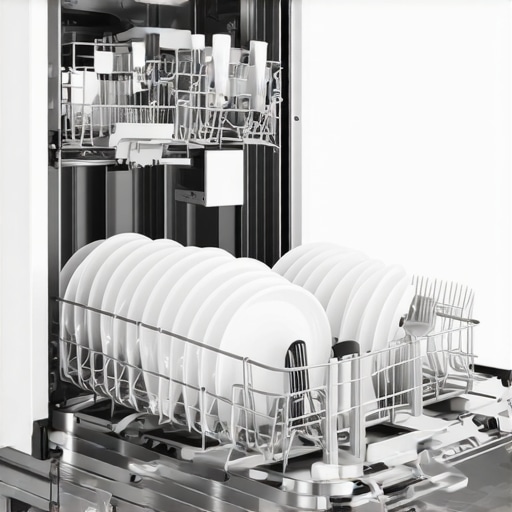
Ever found yourself staring at an almost-full dishwasher, debating whether to wait or run a cycle with just a few items? Trust me, I’ve been there. One day, I loaded just a handful of coffee mugs after a weekend brunch and thought, “Is it worth running the dishwasher for this?” That little hesitation turned into a revelation when I learned how much water and energy are wasted when we don’t use the half-load cycle correctly. It’s a common dilemma, and frankly, many folks don’t realize they’re missing out on significant savings—and cleaner dishes—by neglecting this simple feature.
Why It’s Time to Rethink Your Dishwasher Routine
Using your dishwasher’s half-load cycle properly isn’t just about saving water; it’s about smartly managing your household chores to be more eco-friendly and budget-conscious. When I first started paying attention, I realized I had been wasting a lot of resources just because I thought I needed to wait until the dishwasher was completely full to justify the cycle. But that’s not always necessary—and it might be harming your appliance more than you think. Properly leveraging this feature can extend the lifespan of your dishwasher, lower your utility bills, and keep your kitchen greener. If you’ve ever struggled to decide whether to run a cycle or wait for more dishes, stick around. I promise, the solutions are simpler than you might have thought.
Is Half-Load Cycles Actually Worth It
Initially, I made the mistake of assuming that running smaller loads would compromise cleaning power or waste more water. That’s a common misconception. In fact, modern dishwashers are designed to optimize water flow and energy consumption, especially when you use features like the half-load or eco modes correctly. According to the Environmental Protection Agency, using your dishwasher efficiently can lower water bills by up to 50% — that’s a huge impact for something you’re doing every day. So, why weren’t I making full use of this feature from the start? Well, I didn’t know how to load my dishwasher properly for smaller loads, or when to activate the half-cycle. But I’ve learned from my mistakes, and I want to help you avoid the same pitfalls. If you’ve ever hesitated to run a cycle with just a few dishes, know that you’re not alone. Many people miss out on potential savings because they think their only option is to wait for a full load.
Now, let’s get to the good part. I’ll walk you through exactly how to use your dishwasher’s half-load cycle correctly, so you can enjoy spotless dishes without wasting water or energy. Whether you’re a busy parent, a college student, or just someone who hates throwing away resources, this info will change your kitchen game. Ready to make your dishwasher work smarter, not harder? Excellent. The next sections will equip you with all the tips and tricks you need to master this handy feature—and start saving right away.
Load Smaller Loads Strategically
Start by organizing your dishes efficiently. Use the dishwasher’s best stacking methods to maximize water coverage and cleaning power. For instance, place cups and small bowls on the top rack, angled downward to ensure water reaches every surface. When I did this during a busy weekday, I managed to run a half-load after breakfast, saving water and energy without sacrificing clean dishes. Remember, the goal is to avoid overcrowding, which can block water jets and reduce effectiveness.
Activate the Right Cycle at the Right Time
Manually select eco or half-load modes
Most modern dishwashers have dedicated eco or half-load settings. If your machine doesn’t, simply choose the shortest cycle available. I once ignored this and ran a full cycle for just a handful of coffee mugs—costing more energy than necessary. To prevent this, always select the intended cycle directly, rather than a standard or intensive mode, which consumes more resources. This ensures your dishwasher uses just enough water and energy for smaller loads.
Identify and use sensor-based features if available
Some appliances automatically detect load size and adjust water accordingly. If your dishwasher has such features, enable them. For example, my recent upgrade included a smart cycle that measures soil level and load weight, optimizing flow. Even if you don’t have this, manually selecting eco modes can mimic this behavior, providing an efficient balance. Regularly check your manufacturer’s instructions to learn what features suit your habits best.
Optimize Dish Arrangement for Efficient Cleaning
To get the most from your half-load cycle, arrange dishes to avoid blocking spray arms. A cluttered setup can lead to spots or soap residue, and may force you to rewash. Use the stacking tips to position items properly—items should be spaced out, not touching, to allow water and soap to reach all surfaces. I found that dedicating a small section for cups and a separate one for plates enabled me to run more frequent half-loads without washing twice.
Maintain Your Dishwasher for Peak Performance
Clean filters and spray arms regularly, especially when doing frequent half-loads. A clogged filter can reduce cleaning efficiency, making it tempting to rerun cycles. I schedule monthly cleaning using the simple filter cleaning method. Additionally, keep the door gasket and interior free from residue to prevent odor and mold, which can compromise performance. Proper maintenance ensures your appliance performs optimally, even with smaller loads.
Embrace Smart Features for Better Efficiency
If your dishwasher is equipped with smart technology, like Wi-Fi connectivity or app control, use these tools to monitor or schedule cycles. This way, you can plan small loads during off-peak hours, saving even more on energy. For advanced models, set reminders for regular maintenance to keep everything running smoothly. These small steps directly contribute to resource conservation and cost reduction, especially when taking advantage of half-load cycles.
When it comes to refrigerators, washing machines, and smart appliances, many homeowners hold misconceptions that can lead to inefficiency or even damage. For example, a prevalent myth is that high-tech refrigerators always require frequent software updates, but in reality, many models operate smoothly for years without needing constant updates—something worth verifying by checking your device’s settings or manufacturer resources, like the comprehensive tips found here. Moreover, owners often believe that running a washer and dryer without regular maintenance won’t impact performance, but neglecting simple tasks such as cleaning filters or drum seals can dramatically reduce lifespan and efficiency—consider reviewing these cleaning tips to avoid costly mistakes.
A common trap involves overloading smart appliances with laundry or dishes, thinking it will save time. However, this can impair cleaning quality or even damage the appliances’ sensors, leading to costly repairs. Remember, smart features are designed to optimize performance only when used correctly. For instance, improper loading can trigger error codes or cause unclean dishes, which many don’t realize because they overlook specific user guidance. It’s essential to understand the nuances of proper load size, order, and cycle settings to truly benefit from these cutting-edge features.
What most people overlook about their appliances is the importance of environmental factors—especially temperature and humidity—that can affect operation and energy consumption. For example, leaving a refrigerator door slightly ajar may seem harmless but can cause compressor overuse, raising energy bills and risking spoilage. Additionally, many don’t realize that the placement of appliances matters; a fridge tucked into a corner may struggle with airflow, leading to overheating and inefficiency. Protective measures include placing appliances away from direct sunlight and ensuring sufficient clearance for ventilation, as discussed in these recommendations.
Advanced users might ask, “How do I calibrate my smart fridge to prevent temperature fluctuations?” Calibration ensures your appliance maintains consistent temperatures, crucial for food safety and energy savings. It can often be done through manufacturer apps or settings, with some models even offering automatic calibration features. Regularly verifying this setting, especially after power outages or moving the appliance, can prevent spoilage and save on energy costs.
Overlooking these nuanced aspects can be a source of frustration or wasted resources. By understanding the truths behind common beliefs and delving into the details—like optimal maintenance, correct usage, and environmental considerations—you can extend your appliances’ lifespan and maximize their efficiency. Have you ever fallen into this trap? Let me know in the comments. Your insights could help others avoid these pitfalls and get the most out of their home technology.
Maintaining your home appliances like refrigerators, washing machines, and dishwashers is crucial for long-term performance and to prevent costly repairs. Over the years, I’ve refined my toolkit and methods to ensure these devices run smoothly for years to come. One device I rely on heavily is a high-quality ultrasonic cleaner, which I use to clear out stubborn grime from filters and spray arms. This simple yet effective tool dramatically improves cleaning efficiency, especially when combined with regular filter maintenance. Additionally, I recommend investing in a digital multimeter to troubleshoot electrical issues without calling a technician immediately. Knowing how to test continuity and voltage helps me identify problems early, saving time and money.
How do I keep appliances working over time?”
Regularly replacing worn seals, updating software where applicable, and scheduling routine inspections with professional services are my go-to strategies. For smart appliances, I utilize manufacturer-supplied apps to monitor system health and receive maintenance alerts—these tools are game-changers as they provide real-time insights and guidance. I also keep a dedicated log of maintenance activities and firmware updates, ensuring nothing slips through the cracks. Looking ahead, I believe the trend will move toward even smarter, self-diagnosing appliances that can send alerts and recommend actions autonomously. As technology advances, having a reliable set of tools for diagnostics and routine care will become even more essential.
How can I best maintain my smart fridge’s sensors and software?”
Keeping sensors calibrated and software updated is fundamental. For example, if your fridge’s temperature sensor drifts, it can lead to inefficiency or spoilage. I periodically run calibration procedures recommended by manufacturers, which often involve simple steps accessible through the app or settings panel. This proactive approach prevents larger issues down the line. Recently, I upgraded my system with a firmware update that introduced predictive maintenance features, which alert me when a component shows signs of wear. Embracing these innovations not only optimizes appliance performance but extends their lifespan—think of it as preventive medicine for your gadgets.
The future of appliance upkeep looks promising
As smart home technology becomes more integrated, I predict we’ll see devices that monitor themselves and even order replacement parts automatically. Until then, having a solid toolkit and a routine maintenance plan is paramount. For anyone serious about keeping their appliances in prime condition, I recommend starting with a high-quality multimeter and scheduling regular cleaning for filters and sensors. Give it a try today, and enjoy the peace of mind that comes with knowing your appliances are in top shape—saving you money and hassle over the long haul.
What I Nearly Missed About Smart Appliance Care
- Overlooking simple calibration: I once ignored recalibrating my smart fridge’s sensors after a software update, only to realize my produce was spoiling prematurely. Regular calibration, like checking the instructions here, can save you money and frustration.
- Ignoring environmental factors: I used to think keeping my kitchen tidy was enough, but placing my fridge in direct sunlight caused it to overwork. Strategic placement with proper ventilation can make a huge difference.
- Neglecting routine maintenance: Failing to clean filters and spray arms led to poorer cleaning performance. Discover quick maintenance tips that keep appliances running optimally, such as the filter cleaning method.
- Misunderstanding smart features: I assumed all smart appliances needed constant software updates, but many operate smoothly without frequent updates—verify this in your device’s manual or support site.
- Overloading without thought: Packing my washer or dishwasher beyond capacity caused errors. Proper load management, as explained here, ensures efficiency and longevity.
How I Curated My Toolbox for Appliance Excellence
- Multimeter: A trusted tool for diagnosing electrical issues early, saving repair costs.
- Ultrasonic cleaner: Used to effortlessly clear grime from filters and spray arms, boosting performance.
- Manufacturer apps: Enable me to monitor appliance health, get maintenance alerts, and schedule updates—keeping everything at peak condition.
- Maintenance logs: Documenting repairs and updates helps me track what works and plan future care.
Your Next Step Is Making a Move
Taking charge of your appliances with informed care transforms them from mere tools into reliable allies in your home. Embrace these insights, stay curious, and regularly give your devices the attention they deserve. Your appliances will thank you with years of efficient service, and you’ll enjoy the satisfaction of mastering your home tech. Curious about a specific maintenance trick or troubleshooting tip? Drop your question below, and let’s explore solutions together!