
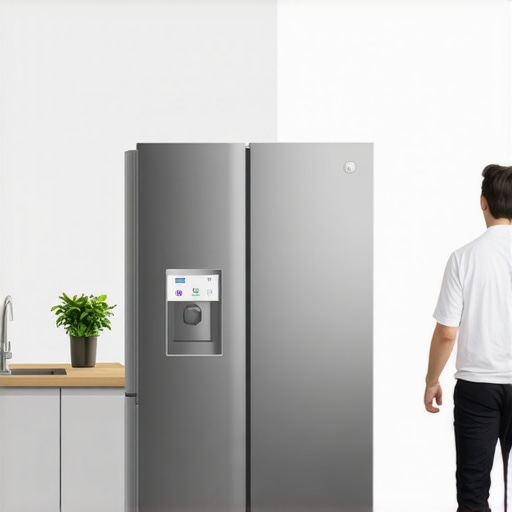
It was a lazy Sunday afternoon when I realized my smart fridge was buzzing nonstop about something I couldn’t see—door ajar, fragmenting my peace of mind instead of preserving my groceries. I had just finished a quick snack and closed the fridge door, but instead of silence, a persistent notification kept pinging on my phone, as if the fridge was screaming for attention. Frustration bubbled up—I mean, I love smart home tech, but these relentless alerts were turning into an annoying background noise that refused to stop. Have you ever experienced that moment when your intelligent appliances start to seem almost rebellious, ignoring your quiet household and demanding your attention at all hours? If so, you’re not alone.
Identify the Root Cause of Alerts and Noises
Start by determining whether the alerts or noises indicate a genuine problem or a false alarm. For example, if your smart fridge buzzes loudly without warning, check its control panel for error codes or blinking lights. Remember, many issues stem from simple causes like a door not closing properly or sensors being dirty. Use your appliance’s manual or online resources to decode error signals, and where needed, consult the manufacturer’s support page for specific troubleshooting steps. I recall a time I found my smart dishwasher was making a high-pitched squeal. After inspecting the spray arm and filters, I discovered debris that was causing the noise, and a quick clean resolved it.
Perform Basic Maintenance to Reset Performance
Often, issues can be resolved through straightforward maintenance. For example, cleaning the condenser coils of your refrigerator prevents overheating and erratic behaviors, similar to how clearing a clogged drain improves washing machine efficiency. Unplug the appliance, carefully remove filters or panels, and use a soft brush or mild cleaner as recommended in the manual. I once cleaned my smart fridge’s condenser coils, which had accumulated dust; the fridge then operated more quietly and efficiently. Regular upkeep helps prevent minor problems from escalating into costly repairs.
Update Firmware and Reset Settings
Software glitches are common culprits behind non-responsive smart appliances. Check the manufacturer’s app or control panel for firmware updates—these act like software patches that fix bugs. Follow precise update procedures: typically, download the latest firmware from official sources, ensure stable Wi-Fi connections, and avoid interruption during the process. If issues persist after updating, performing a factory reset can restore default operation: locate reset buttons or menu options in the manual. For my washer, a firmware update and a reset cycle fixed persistent connectivity issues, restoring seamless operation.
Manage Connectivity and Power Cycles
If your appliance communicates via Wi-Fi or Bluetooth, ensure a stable connection. Restart your router and appliance to clear glitches, much like rebooting a computer to resolve software freezing. For smart refrigerators, disconnect power for a few minutes before plugging back in; this can reset internal systems and resolve minor faults. I’ve experienced my smart microwave’s app refusing to connect; powering off and on the unit fixed the problem. Consistent network issues may require updating your router firmware or relocating your device closer to the Wi-Fi source.
Apply Specific Fixes for Known Problems
Identify if your issue matches common patterns. For example, if your dishwasher isn’t drying plastics properly, check the rinse aid levels and ensure the drying heater is functional. Many appliances have targeted solutions: replacing filters, recalibrating sensors, or adjusting door seals. For stubborn issues, consult detailed guides such as this resource to choose the right fixes. Remember, some problems, like a door seal that won’t hold suction, may require replacing parts—many of which are obtainable from the manufacturer or authorized service centers.
Leverage Expert Advice and Support
When troubleshooting becomes complex, reaching out to support teams can save time. Use the contact page at this link to find official contact options. Describe your problem clearly: include model numbers, symptoms, and steps taken. Sometimes, remote diagnostics can identify issues more efficiently—especially with newer smart appliances that connect with manufacturer apps. Remember, regular updates and routine maintenance are your best defenses against unexpected breakdowns, and enlisting professional help ensures thorough repairs when DIY efforts fall short.
Many homeowners believe they’ve mastered their washing machines, dishwashers, and refrigerators, but the truth is, there’s a lot of nuance most overlook. For instance, a common myth is that newer models always mean better performance, yet many high-tech appliances can be just as prone to issues if not properly maintained or configured. One advanced mistake is ignoring firmware updates; failing to update can leave your smart appliances vulnerable to bugs and security flaws, as highlighted by industry experts. Have you ever fallen into this trap? Let me know in the comments.
Why Do Some Upgrades Backfire?
While upgrading to the latest smart appliance offers convenience, it can introduce unforeseen complications. For example, integrating a new refrigerator model without coordinating it with your existing home automation system may cause compatibility issues, leading to frustrating glitches. Many users assume that new features automatically sync, but in reality, neglecting compatibility checks can result in devices that don’t communicate effectively. According to a recent study from the smart appliance experts, understanding the ecosystem is essential before making a purchase to prevent these pitfalls. Remember, sometimes the most advanced feature isn’t worth the hassle if it doesn’t seamlessly integrate into your home setup.
Beware of the Over-Cleaning Trap
When it comes to maintenance, many think frequent cleaning is the key to longevity. However, over-cleaning or using harsh chemicals can damage delicate sensors and surfaces, especially in smart appliances. For example, excessive use of abrasive cleaners on refrigerator seals can cause deterioration, reducing their efficiency. It’s better to follow manufacturer suggestions, like gentle wiping and periodic inspections, rather than obsessive cleaning routines. This overlooked nuance can save you from costly repairs and preserve the appliance’s lifespan. For more detailed advice, visit our comprehensive guide.
Investing in Precision Tools for Effective Maintenance
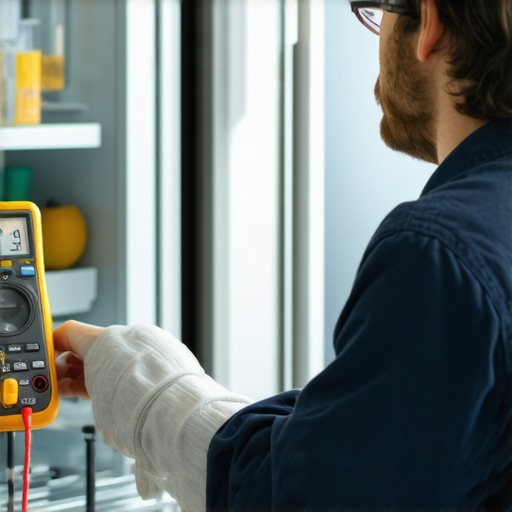
Maintaining smart appliances requires specific tools to ensure thorough and safe repairs. I personally swear by a digital multimeter from Fluke because it allows me to accurately test voltage and continuity, preventing potential electrical hazards. For example, when diagnosing a refrigerator’s compressor issue, I use the multimeter to verify if the compressor motor is receiving power, which saves me time and unnecessary part replacements. Additionally, a set of precision screwdrivers is essential—particularly Phillips and Torx heads—that fit snugly into appliance screws without stripping them. These tools enable you to access internal components, like sensors or filters, with minimal risk of damage.
Software and Apps that Simplify Appliance Management
When it comes to smart appliances, software plays a pivotal role in long-term upkeep. I rely heavily on manufacturer-specific apps—such as Samsung SmartThings—to monitor appliance health, receive firmware updates, and run diagnostics remotely. These apps often provide real-time alerts if something’s amiss, allowing for quick action before minor issues escalate. For instance, regularly checking the app for firmware updates ensures your dishwasher or refrigerator benefits from the latest fixes and features, reducing the likelihood of bugs and security breaches. To streamline your appliance oversight, setting up notifications is a game-changer; I receive alerts directly on my phone whenever my smart washing machine detects an imbalance or requires maintenance.
Effective Maintenance Routines for Longevity and Performance
Routine upkeep is vital for preserving appliance efficiency. I recommend scheduling biannual inspections: cleaning condenser coils of refrigerators with a soft brush to prevent overheating and checking door seals for wear, which can cause energy loss. Regularly running calibration cycles on smart sensors, as advised in the latest industry guidelines, keeps temperature readings precise. Moreover, keep an eye on water filters and rinse aid levels; neglecting these can lead to subpar cleaning or drying in dishwashers, as documented in appliance-specific manuals. Adopting a proactive maintenance mindset pays off over time, reducing unexpected breakdowns and extending appliance lifespan.
How do I maintain my smart appliances over time?
Alongside manual checks, adopting a routine of firmware updates via manufacturer apps and employing diagnostic tools ensures your appliances adapt to evolving technology. This approach minimizes glitches and keeps features like energy monitoring or alerts functioning optimally. Consider setting reminders for filter replacements and sensor calibrations; these small steps take minutes but significantly impact long-term performance. To deepen your understanding of best practices, I suggest reading our ultimate guide to smart home appliances.
Looking ahead, I believe the trend toward integrated diagnostic tools and AI-powered predictive maintenance will revolutionize appliance care. Future appliances may alert you to potential failures days or weeks before they happen, saving money and preventing inconvenience. Embracing these innovations now can prepare you for a smarter, more efficient home.
Try this advanced tip: calibrate your refrigerator’s temperature sensors regularly to ensure accurate cooling and energy efficiency. It’s a straightforward process that can dramatically improve appliance performance and save on energy costs.
What I Wish I Knew When I Started Taming Smart Appliances
One surprising lesson I learned is that firmware updates are your best friends, not optional extras. Skipping these can leave your appliances vulnerable to bugs and security loopholes, which might cause more headaches down the line. Additionally, relying solely on manufacturer apps without understanding their settings can lead to misdiagnosed issues—taking the time to explore these tools thoroughly pays off. I also discovered that over-maintenance or using harsh chemicals can do more harm than good; gentle cleaning following manufacturer guidelines preserves sensor health and prolongs device life. Lastly, I realized that integrating new appliances without verifying compatibility with existing systems often results in frustrating glitches—doing a bit of pre-purchase research saves time and money.
My Go-To Resources for Smarter Home Appliance Care
- Smart Appliance Manuals: The official manuals are treasure troves for troubleshooting, calibration, and maintenance tips. I always keep digital copies accessible for quick reference.
- Industry Expert Blogs and Forums: Sites like this comprehensive guide and community forums provide real-world insights and troubleshooting tricks shared by fellow homeowners and technicians.
- Repair and Maintenance Tools: Investing in quality digital multimeters and precision screwdrivers has made a huge difference in diagnosing issues safely and effectively. Trust me, having the right toolkit boosts confidence and reduces accidental damage.
- Official Support Channels: When in doubt, contacting support via their official page ensures you receive expert advice tailored to your specific model and situation.
Your Next Move Toward a Smarter, Safer Home
Embracing the evolving world of home appliances is both empowering and satisfying. Remember, the key to a hassle-free smart home isn’t just upgrading to the latest tech—it’s understanding, maintaining, and nurturing it with care. Each small step you take today, like updating firmware or calmly troubleshooting alerts, prepares you for a future where your appliances anticipate your needs and serve you seamlessly. Dive into this journey with curiosity and confidence, knowing that mastery comes with patience and practice. The better you understand your appliances now, the more you’ll enjoy a truly intelligent and stress-free living environment tomorrow. Are you ready to take the next step in mastering your smart home appliances? I’d love to hear what challenges you’ve faced or tips you’ve discovered—share below to inspire others on this journey.