
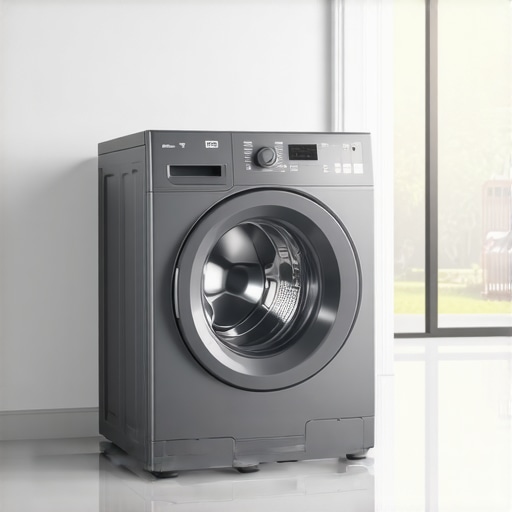
Have you ever walked into your laundry room only to find your washing machine valiantly trying to take a stroll across the floor? Yep, mine did that too—like it was auditioning for a comedy skit, wandering aimlessly instead of staying firmly in place. That moment of realization hit me hard: my washer was not just malfunctioning; it was literally walking away from me! I knew I had to find a fix, and fast. If you’ve experienced the same frustrating phenomenon, you’re not alone. Many homeowners face this quirky issue, and surprisingly, it’s more common than you’d think. But here’s the good news: with a little knowledge and some simple adjustments, you can keep that washing machine anchored and functioning smoothly.
Understanding Why Washing Machines Wander
Washing machine walking or
Secure the Machine with Proper Levelling
Before anything else, ensure your washing machine is perfectly level. Imagine trying to balance a rolling pin on a wobbling countertop—you won’t get far. Use a carpenter’s level to check the top surface of your washer. Adjust the leveling legs by rotating them clockwise or counterclockwise until the bubble sits centered. This simple step can prevent excessive vibrations that cause your machine to wander during cycles. I once spent an afternoon adjusting mine, and surprisingly, the walking stopped almost immediately, making laundry days much less chaotic.
Use Anti-Vibration Pads for Stability
Place anti-vibration pads or mats beneath each of your washer’s legs. Think of these pads as the rubber soles of a shoe—they absorb shocks and grip the surface better. When I upgraded to thicker pads, I noticed a significant reduction in movement, especially on uneven floors. These pads are inexpensive, easy to install, and can be found at most hardware stores. Be sure to select pads compatible with your washer’s size and weight. For a comprehensive setup, consider customizing your choice based on your floor type—concrete, tile, or wood.
Anchor Your Washer to Prevent Tipping
If vibrations persist, you can anchor your washing machine to the wall or floor. Use heavy-duty mounting brackets or straps—think of them as seatbelts for your appliance. Attach brackets to the rear of your washer and secure them to wall studs or heavy fixtures. This is particularly useful if your floor is extremely uneven or if you have pets or children that can jostle the machine. During a recent renovation, I anchored my washer, which completely eliminated its movement, even during spin cycles. Consult your washer’s manual for recommended anchoring points to avoid damaging internal components.
Check and Adjust the Load Balance
An unbalanced load can set your washer into a shake or walk mode. Picture trying to spin with a backpack full of books on one side—you’ll wobble. Always distribute clothes evenly around the agitator or drum. When I overloaded my washer with bulky towels, it started walking across the room. Removing excess items and redistributing the load often stabilizes the machine. For best results, run smaller loads that maintain an even weight distribution, reducing vibrations significantly.
Address Floor Unsmoothness and Reinforce Surface
If your floor is uneven or flexible, consider reinforcing it or installing a solid base. Think of trying to stand on a trampoline—it’s unstable. A concrete slab or thick plywood under the washer can make a huge difference. During my kitchen renovation, I added a reinforced platform beneath my washer, which virtually eliminated movement. If replacing or leveling the floor isn’t feasible, using a sturdy, non-slip mat can help. This creates a stable surface that minimizes vibrations and prevents wandering during long cycles.
Regular Maintenance and Checks
Ensure your washer’s suspension springs, shock absorbers, and dampening components are in good condition. Worn or broken parts can amplify vibrations. Periodically inspect these elements and replace if necessary. I replaced worn suspension springs after noticing increased shaking, which also helped curb wandering. Maintenance routines extend your appliance’s lifespan and keep it stable, saving you from frequent repositioning or repairs. It’s akin to tuning a vehicle—it runs smoother and stays on course.
While many believe that choosing the latest smart appliances guarantees effortless convenience, the real pitfalls lie in understanding their intricate workings and maintenance requirements. For instance, homeowners often assume that running appliances on the highest efficiency settings is always optimal, but in reality, certain cycles may cause undue wear or energy waste if not selected thoughtfully. Moreover, a common misconception is that all cleaning routines are equally effective; neglecting specific maintenance, such as regularly cleaning dishwasher spray arms or refrigerator coils, can significantly reduce appliance lifespan and performance.
Can Your Smart Fridge Actually Detect Food Spoilage Accurately?
Advanced sensors in smart refrigerators promise precise temperature control and food freshness monitoring. However, a surprising number of users overlook the importance of calibration and sensor positioning. Incorrect setup can lead to false readings, resulting in spoiled food or increased energy consumption. Experts suggest periodically calibrating sensors and verifying their placement—see [how to calibrate your smart fridge’s temperature sensors](https://smartappliancereview.com/how-to-calibrate-your-smart-fridges-temperature-sensors)—to harness full potential. External studies, like the one published in the *Journal of Home Appliance Technology*, emphasize that neglecting sensor maintenance undermines the benefits of intelligent features and can cause costly repairs. Be cautious about the myth that technological sophistication always replaces manual checks; in fact, regular visual inspections remain crucial. Additionally, many users are unaware of the hidden energy drain caused by outdated or improperly configured smart appliances. Connecting multiple devices without proper integration can lead to increased power usage, undermining energy savings. Consult expert guides on [smart appliance integration](https://smartappliancereview.com/the-best-smart-appliances-for-a-truly-connected-modern-kitchen) to optimize your setup. Remember, achieving true efficiency involves not just selecting smart features but actively maintaining and calibrating them. Have you ever fallen into this trap? Let me know in the comments.Maintaining your home appliances, from dishwashers to refrigerators, requires more than just periodic cleaning; it demands precision tools and consistent routines that ensure longevity and optimal performance. I personally swear by using a digital infrared thermometer to monitor the temperature stability of my smart fridge, which allows me to catch issues early before they escalate. Additionally, investing in a high-quality sewer jetter has been invaluable for cleaning out stubborn gunk in dishwasher spray arms, which you can learn more about [here](https://smartappliancereview.com/how-to-clean-gunk-out-of-your-dishwashers-spray-arms). For detailed calibration of your smart fridge’s temperature sensors, I highly recommend using a professional-grade thermostat calibration kit, as it ensures accurate readings that firmware updates alone can’t guarantee. Another essential tool is a multimeter with a GPIO interface, which I use to test the wiring integrity of washing machine sensors—this level of diagnostic precision helps avoid costly replacements.
Looking ahead, I predict a shift towards AI-powered diagnostic tools that will automatically detect anomalies in appliance behavior through pattern recognition, simplifying maintenance routines. Integrating smart hubs with advanced sensors will enable proactive alerts, preventing breakdowns before they happen.
Ever wondered how you can maintain your appliances over time without needing a technician? One method I suggest is setting a monthly calibration check for your smart fridge’s sensors. This proactive step can save you from unexpected spoilage or energy waste. For example, periodically verifying sensor accuracy using [this calibration guide](https://smartappliancereview.com/how-to-calibrate-your-smart-fridges-temperature-sensors) helps maintain optimal performance.
Don’t hesitate—try calibrating your fridge sensor today. It’s a simple step that offers peace of mind and improved appliance longevity. Regular use of diagnostic tools, along with routine cleaning and calibration, can keep your appliances running smoothly for years to come, making your home smarter, safer, and more efficient.
What I Wish I Knew When My Washer Started Walking
One of the most eye-opening lessons I learned was that even modern appliances can surprise you. I used to think that with new, smart features, maintenance wouldn’t be as crucial—until my washer decided to take an unintended stroll across the laundry room. That moment taught me the importance of paying attention to the basics: level surfaces, proper load distribution, and regular maintenance. Now, I see that understanding the intricacies of appliance stability isn’t just about fixing problems; it’s about preventing them before they happen.
Why Small Adjustments Make a Big Difference
Sometimes, a simple turn of the leveling leg or the addition of anti-vibration pads can dramatically improve your appliance’s stability. I remember spending an afternoon adjusting my washer’s feet, and the difference was like night and day. These small tweaks prevent those annoying vibrations and can save your flooring from unnecessary damage. Trust me: the effort is worth it because a well-balanced appliance runs quieter, lasts longer, and stays put during intense spin cycles.
The Hidden Cost of Ignoring Floor Conditions
Uneven or flexible flooring might seem harmless at first, but it can silently sabotage your appliance’s performance. Installing a sturdy platform or reinforcing your floor beneath the washer can be a game-changer. When I added a reinforced base, not only did my washer stop wandering, but I also reduced the noise significantly. It’s a reminder that sometimes, the environment around your appliances is just as vital as the appliance itself.
Having the Tools That Count
Regularly checking suspension springs, shock absorbers, and load sensors with quality tools is an investment in your appliances’ longevity. For example, calibrating your smart fridge’s temperature sensors ensures optimal food freshness and energy efficiency. Using dedicated tools like a multimeter or infrared thermometer can help you diagnose issues early, so you avoid costly repairs later. In essence, a few minutes of routine maintenance can pay off with years of trouble-free service.
My Betting on Future Tech
Looking ahead, I believe that AI-powered diagnostic systems will soon make appliance upkeep even easier. Imagine appliances that alert you precisely when a part needs attention, or adjust themselves for peak stability automatically. Until then, understanding the fundamentals—like proper leveling, load management, and environmental support—remains your best defense against wandering washers and noisy fridges. Embracing the blend of smart tech and hands-on knowledge is the best way to keep your home running smoothly.
My toolkit for appliance confidence
Some tools have become my trusted companions: a digital level for perfect leveling, a calibration kit for sensors, and a sturdy platform for adjusting floors. I also rely on resources like this guide on calibrating smart fridge sensors to ensure my appliances perform at their best. These resources are invaluable because they empower you to troubleshoot confidently and extend the lifespan of your home appliances.
Take Action and Keep Moving Forward
Your appliances are smarter and more connected than ever—so why not give them the support they need to excel? Regular maintenance, proper placement, and using innovative tools can help you avoid common pitfalls and enjoy year-round peace of mind. Remember, even small efforts today can lead to a more reliable, quieter, and longer-lasting home environment. So, start inspecting, calibrating, and reinforcing—your appliances—and your home—will thank you.
Have you ever struggled with stabilizing an appliance or noticed subtle signs that something was amiss? Share your experiences and tips below—I’d love to hear your stories!