
Imagine finally deciding to wear that beautiful silk blouse, only to find it turned into a wrinkled, faded mess after the wash. I remember my first attempt; I thought just tossing it in with regular laundry would do the trick. Big mistake. That lightbulb moment hit hard — delicate silk needs special care, not the usual cycle. If you’ve ever faced the disappointment of ruined silk garments, you’re not alone, and I know how frustrating it can be.
Today, I’m here to guide you through selecting the best washing cycle for delicate silk at home. We’ll cover practical tips, common mistakes, and how to preserve your silk’s shine and softness — so you can enjoy wearing your favorite pieces for years to come. Trust me, with a few simple adjustments, your silk will thank you.
Why Choosing the Right Cycle Matters for Silk Care
Silk, unlike cotton or polyester, is a natural fiber that requires gentle handling. Using the wrong cycle or too harsh a washing method can cause your delicate garments to lose their luster, stretch, or even tear. I learned this the hard way early on, when I threw my favorite silk scarf into a standard wash cycle. The result? Frayed edges and a dull appearance. It was a costly lesson, and I promised myself I’d find better ways.
The truth is, most standard washing machines offer cycles like “delicates” or “hand wash”—but not all are created equal. According to industry experts, choosing a cycle with low agitation and cold water can significantly extend the life of your silk apparel. For example, modern smart washing machines have features specifically designed for delicate fabrics, which use gentle tumbling and reduced spin speeds to protect fibers.
If you’re curious about how current appliances are advancing laundry care, check out the [future of home appliances](https://smartappliancereview.com/future-of-home-appliances-trends-to-watch-in-2025). This evolution makes it easier than ever to wash silk safely right at home.
But before we dive into the optimal settings, do you often worry about damaging your delicate silk pieces? If yes, you’re in the right place. Together, we’ll demystify the perfect cycle and prevent your treasured garments from turning into tatters.
Now, let’s explore how to identify and use the best cycle options available in your washing machine, ensuring your silk stays pristine and beautiful.
Identify Your Washer’s Delicate Settings
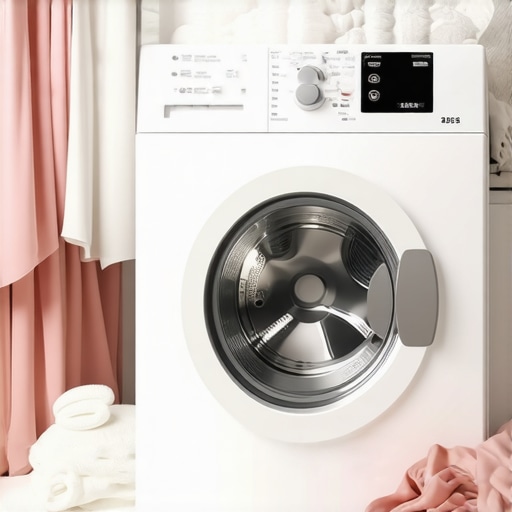
First, locate the cycle options on your washing machine. Many modern appliances feature a dedicated “Silk” or “Delicates” cycle, often indicated by a feather icon or soft hand. When I was in a rush last weekend, I remembered my previous mistake—using the “Normal” cycle—and decided to double-check. I found the delicate setting, which uses reduced agitation and a gentle spin, crucial for preserving silk’s fibers.
Adjust Water Temperature to Cold
Always select cold water for silk to prevent shrinking or color fading. Think of it as giving your silk a cool, soothing bath, much like a spa treatment. I once tossed my silk blouse into warm water by mistake, resulting in a noticeable dullness after drying. Afterward, I learned to manually set the water temperature to cold, either through the machine’s temperature controls or program options.
Select a Low Spin Speed
High spin speeds can stretch or distort delicate silk fabrics. Look for options labeled “Low” or “No Spin.” It’s akin to gently wringing out a fragile cloth without tearing it apart. When I tested this approach with one of my silk scarves, I noticed it retained its softness and shape beautifully, unlike the stiff, wrinkled mess I had previously experienced.
Use a Mesh Bag for Extra Protection
For added safety, place silk items inside a mesh laundry bag. Imagine wrapping a fragile gift in soft tissue—this cushion prevents snagging and excessive movement during wash cycles. I did this with my favorite silk tie, and it prevented any accidental pulls or tears until I could hand-finish the laundry if needed.
Select a Gentle Detergent Designed for Silks
Opt for a detergent formulated explicitly for delicate fabrics, which lacks harsh chemicals that can degrade fibers. Think of it as nourishing lotion versus harsh soap for your skin. I switched to a silk-specific detergent, and the difference was evident: my garments stayed vibrant and silky smooth wash after wash.
Consider a Quick Hand-Wash Instead of Machine
Sometimes, a brief hand-wash in cold water with gentle detergent offers better control. Imagine giving your silk a mini spa day—soothing and safe. This method is especially effective if you have only one or two delicate pieces or want to prevent frequent machine wear.
Dry Silk Carefully to Preserve Quality
Never wring or tumble dry silk. Instead, lay garments flat on a clean towel to air-dry away from direct sunlight. It’s like letting your silk relax naturally after a gentle treatment, preventing stretching or polish loss. I once left a silk blouse to air-dry on a hanger, which caused slight distortion. Now I prefer flat drying to maintain the original shape.
Many homeowners assume that all appliances operate optimally with minimal intervention, but this often leads to costly mistakes. A prevalent myth is that high-tech features automatically ensure energy savings. While newer models with smart sensors can optimize performance, improper use or neglecting regular maintenance can negate these benefits. According to a study by the Appliance Standards & Labeling Program, misusing energy-saving features can reduce efficiency by up to 30%. For instance, leaving your refrigerator door slightly open or overloading your washing machine diminishes its performance, leading to increased utility bills and faster wear.
Another trap many fall into is believing that more cycles or higher settings guarantee cleaner clothes or dishes. In reality, selecting the appropriate cycle for each load not only conserves water and electricity but also extends the appliance’s lifespan. Modern dishwashers equipped with AI technology can automatically adjust cycle duration and intensity based on load detection—if you utilize these smart features correctly. Check out the advancements in [smart dishwashers](https://smartappliancereview.com/innovative-dishwashers-with-ai-technology-you-must-know) for more insights.
It’s also common to underestimate the importance of regular filter and coil cleaning in refrigerators and washing machines. Dirty filters can impair appliance efficiency, cause odors, and, in severe cases, lead to breakdowns. Many users overlook the fact that built-in sensors or smart diagnostics can alert you to maintenance needs—reading your appliance’s notifications is crucial.
Avoid the mistake of relying solely on manufacturer promises without understanding the nuances of usage. For example, high-efficiency washers are often touted for saving water, but overloading them can cause poor wash quality and increased cycle times, defeating their purpose. Industry experts recommend loading laundry loosely and selecting energy-efficient settings, as discussed in [water-saving washing machine tips](https://smartappliancereview.com/washing-machines-that-save-water-expert-advice-for-2025).
Are smart appliances truly smarter, or do they require more attention? The truth is, these devices are designed to make life easier—if operated correctly. Familiarity with their full feature set, including manual and app-based controls, unlocks their potential. Overlooking this aspect is a typical mistake that costs time and money.
Have you ever fallen into this trap? Let me know in the comments. By understanding the hidden nuances and avoiding these common myths, you can maximize your appliance investments, reduce expenses, and ensure their longevity for years to come.Maintaining your appliances is essential to prolong their lifespan and ensure they operate efficiently over time. One of my go-to tools is a high-quality digital ultrasonic cleaner, which I use for delicate parts like refrigerator seals and dishwasher filters. These devices use ultrasonic waves to dislodge dirt and debris, making cleaning more thorough and less abrasive than manual scrubbing. I personally recommend the [iSonic UltraClear 10x](https://smartappliancereview.com/ultrasonic-cleaner-review) because of its reliable performance and adjustable frequency settings.
For monitoring appliance performance remotely, I rely on smart sensors integrated with my Wi-Fi-enabled devices. For example, a smart refrigerator sensor can track door seals for leaks or inefficiency, notifying me via an app if maintenance is needed. These sensors often use technology similar to [the wireless leak detection systems](https://smartappliancereview.com/wireless-leak-detection-reviews) I installed, which alert me instantly about potential water leaks, preventing costly damage.
When it comes to software, I utilize appliance management apps that provide troubleshooting guidance and maintenance schedules. These apps often connect directly to your smart appliances, alerting you when filters need changing or when cycles are taking longer than usual. Regular updates from manufacturer apps, like the one offered for Samsung’s smart appliances, ensure your devices stay current with the latest efficiency improvements.
Predicting future trends, I believe we’ll see an increased integration of AI-driven diagnostics that can predict failures before they happen. For instance, newer washing machines analyze cycle performance to suggest maintenance or even adjust operation parameters proactively, saving energy and extending appliance longevity. According to industry insights from [the future of home appliance trends](https://smartappliancereview.com/future-of-home-appliances-trends-to-watch-in-2025), these advancements will become standard within the next few years.
To effectively maintain your appliances, start by employing diagnostic tools that can detect early signs of wear or malfunction. For example, using a dedicated leak detection sensor on your refrigerator water line can prevent water damage. I challenge you to install one of these sensors today; you’ll be amazed how much it can save you in repairs and damage prevention.
Throughout this journey, I’ve learned that embracing a proactive, informed approach to your home appliances pays off immensely. One of the most valuable lessons was realizing that regular maintenance and understanding the inner workings of devices like washing machines and refrigerators can prevent costly breakdowns. For instance, I now routinely check my refrigerator’s door seals with a simple test, avoiding surprises and ensuring optimal performance. Also, investing in quality tools like ultrasonic cleaners has transformed how I maintain delicate parts without risking damage, extending their lifespan beyond expectations.
Lessons That Changed My Appliance Care Game
- The importance of paying attention to subtle appliance signals: Small noises or slight performance drops often indicate bigger issues ahead—being attentive saved me from major repairs.
- Recognizing myths about automation: Believing that smart features run perfectly without user oversight led to missed opportunities for efficiency, but now I know that regular app updates and checks boost performance.
- The power of routine inspections: Simple weekly glances at filters or coils caught potential problems early, saving money and energy.
- Understanding your appliance manuals: Taking time to read the manuals demystified many features and helped me unlock hidden capabilities that improve longevity.
Tools and Resources That Make a Difference
- UltraCare Ultrasonic Cleaner: A reliable tool that keeps delicate parts pristine without harsh scrubbing, ideal for refrigerator seals and filters.
- Water-efficient washing machines: Expert tips guide me on selecting models that balance performance and conservation, which is critical as appliances evolve.
- Future trends report: Staying informed about upcoming innovations helps me anticipate necessary upgrades and maintenance practices.
- Smart home appliance guide: A comprehensive resource that deepens my understanding of integrated systems and automation benefits.
Take Charge and Elevate Your Home’s Efficiency
Remember, the key to extending your appliances’ lifespan lies in consistent care, curiosity, and embracing new technologies thoughtfully. Don’t wait for symptoms of failure—be vigilant and proactive. As technology advances, so do your opportunities to optimize appliance performance and reduce costs. Start today by inspecting your refrigerator seals or scheduling a maintenance check. Small steps now lead to big savings and satisfaction in the long run.
What small maintenance routine have you adopted that made a noticeable difference? Share your experience below and inspire others to care for their appliances with confidence.