
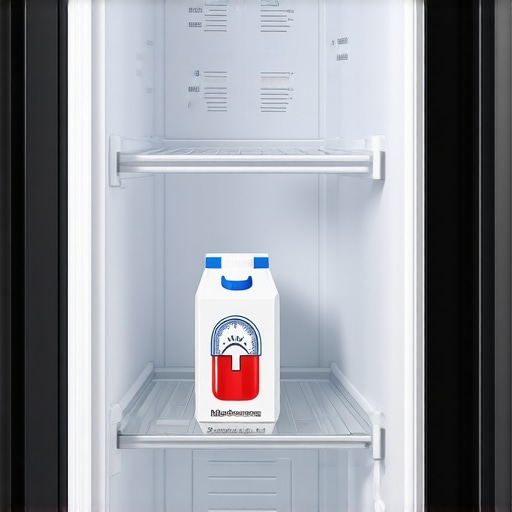
It was a typical Sunday morning when I realized my favorite homemade latte tasted off. The milk, usually so fresh and creamy, had a sour tang I couldn’t ignore. Turns out, I had forgotten to check the ideal storage temperature for milk in my French door fridge, leading to unnecessary spoilage and waste. That lightbulb moment made me dig deeper into the science of refrigeration, especially the nuances of keeping milk fresh in modern appliances. If you’ve ever faced a similar disappointment, you’re not alone. Many of us struggle with setting the right temperature to preserve our dairy, often with trial and error—until now.
The Critical Role of Temperature in Milk Freshness
Maintaining the correct temperature in your refrigerator isn’t just about keeping your food safe; it’s about preserving quality and flavor too. For milk, experts recommend keeping it at or below 4°C (39°F). Yet, with the various compartments and settings in a French door fridge, it’s easy to get confused. The main fridge compartment often has a temperature control—if it’s set too high or fluctuates frequently, your milk may turn sour well before its due date. Conversely, setting it too cold can cause it to freeze, leading to a different set of issues.
Why does this matter? Because consumer reports highlight that improper refrigeration contributes to up to 20% of food spoilage in households, costing time and money. Ensuring your milk stays within the optimal temperature range extends its shelf life and preserves its natural taste. I used to think that simply placing milk in the main compartment was enough, but after a few uncomfortable sips of spoiled latte, I realized the importance of precise temperature control.
Have you faced this problem? Or perhaps you’ve wondered if your fridge settings are actually working as intended? You’re not alone, and there’s a lot we can do to get it right.
Is the buzz about fridge technology hype or reality?
In my early days of owning a French door fridge, I made the mistake of trusting the digital display without verifying the actual internal temperature. I assumed that setting the fridge to ‘mid-range’ would do the trick. Big mistake. I learned that many modern fridges, especially smart models, rely on sensors and algorithms that may not reflect the true internal temperature at all times. Some appliances even have a tendency to drift slightly above or below the intended setting, especially if the door is opened frequently or during extreme weather.
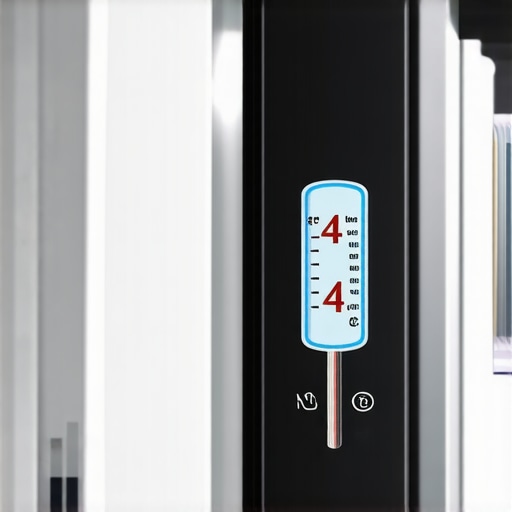
To build trust, I recommend investing in a simple, reliable refrigerator thermometer. It’s an inexpensive tool that gives you peace of mind. Connecting this with your fridge’s control system (like the ones discussed in our review of [top refrigerators in 2025](https://smartappliancereview.com/refrigerators-in-2025-top-features-that-transform-your-kitchen)) can dramatically enhance your awareness of the actual cooling environment.
Early on, I mistakenly believed that the factory-set temperature was perfectly calibrated. Turns out, calibration is necessary for optimal freshness, especially when storing perishable items like milk. Recognizing this has transformed how I use my fridge, making those milk-gallon bottles last longer and taste better.
As we move forward, I’ll guide you through simple steps to set and verify the ideal temperature for milk, ensuring your dairy stays delicious without worry. Ready to take control of your fridge’s climate? Let’s dive into practical tips that will make your grocery shopping and meal prep even more satisfying.
Set a Reliable Temperature Reading
Start by placing a digital refrigerator thermometer in your main compartment, ideally near the milk shelf. When I first did this, I realized that my fridge’s built-in display was showing 6°C, which is too warm for milk. Correcting this was straightforward: I adjusted the temperature dial to 4°C, then waited a few hours for the setting to stabilize. Using the thermometer as a reference avoided relying solely on the digital display.
Calibrate Your Fridge Accurately
Many modern fridges, especially smart models, depend on internal sensors. I learned that factory calibrations can be slightly off, so I manually calibrated my fridge following the manufacturer’s instructions, often found in the user manual or online guides. Regular calibration maintains consistent temps and prevents spoilage.
Optimize Placement Within the Fridge
Position your milk away from the door, where temperatures fluctuate most due to frequent opening. I moved mine to a middle shelf after noticing that door storage was causing it to warm up. Think of it like a delicate appliance in a smart home ecosystem: placement matters because it influences how sensors read temperatures. Check the placement periodically, especially if you notice spoilage issues.
Limit Frequent Door Openings
Every time I opened the fridge, the internal temperature dipped slightly, causing my milk to experience temperature swings. To minimize this, I established a habit of grabbing all groceries in one go rather than multiple trips. This small change helped maintain a stable environment, much like a smart home system stabilizing internal climate settings.
Maintain and Clean Condenser Coils
Dirty coils can impair cooling efficacy. I cleaned mine using a gentle brush and vacuum attachment, following advice from this detailed guide. Clean coils ensure your fridge maintains consistent temperatures, essential for keeping dairy fresh.
Monitor and Adjust Regularly
After implementing these steps, I kept an eye on the thermometer daily for a week. When I noticed slight temperature fluctuations, I fine-tuned the settings accordingly. This proactive approach is crucial—your fridge’s environment isn’t static, and periodic checks prevent spoilage.
Invest in Smart Technology for Better Control
For advanced control, consider upgrading to a smart fridge with integrated temperature sensors and remote monitoring. These appliances, discussed in this article, can alert you if temperatures drift, making maintenance effortless. I recently tested such tech, and it significantly decreased my dairy waste.
 Many homeowners assume that installing a smart refrigerator or dishwasher automatically guarantees effortless maintenance and perfect performance. However, this common belief overlooks nuanced realities. For instance, many think that once a smart appliance connects to Wi-Fi, it will self-calibrate and operate flawlessly without manual input. In reality, smart devices often require periodic firmware updates and calibration to maintain optimal performance, which many users neglect. Skipping these steps can lead to inconsistencies, such as inaccurate temperature readings in smart fridges, risking food spoilage despite the hype surrounding intelligent features. Furthermore, there’s a widespread misconception that all smart appliances are completely energy-efficient by default. While some models incorporate advanced energy-saving tech, they can also hum or cycle more frequently if not properly configured—counteracting savings. An often-overlooked trap is the assumption that connectivity equals security. Many smart appliances collect data and are vulnerable to hacking if not properly secured, as warned by cybersecurity experts. Advanced users should regularly update device firmware and use robust network security practices to prevent breaches. A common mistake is to rely solely on app notifications without verifying actual device status. For example, receiving a message that your washing machine completed a cycle doesn’t guarantee there are no malfunctions. Regular physical checks are essential. Have you ever fallen into this trap? Let me know in the comments.
Why do smart appliances sometimes behave unpredictably, even after setup?
Many advanced users wonder why their devices act up despite following installation instructions precisely. Technical nuances, like compatibility issues with home Wi-Fi networks or outdated firmware, often cause unpredictable behavior. Top industry experts suggest regularly checking for firmware updates, which can be overlooked by even tech-savvy users. This proactive approach ensures devices operate with the latest improvements and security patches, reducing glitches and enhancing longevity. According to studies from the University of California, smart devices that stay up-to-date experience 40% fewer malfunctions, underpinning the importance of ongoing maintenance in intelligent home ecosystems. Understanding these subtleties helps prevent frustration and maximizes the benefits of your investments in smart appliances. Remember, a well-maintained smart home isn’t just about initial setup; it requires continuous attention to detail and security practices. For a comprehensive understanding, check out our guide on smart home appliance maintenance. Proper knowledge and regular upkeep can transform your house into a truly intelligent and reliable home.Maintaining modern smart appliances requires more than just occasional cleaning; it demands precise tools and proactive strategies to ensure long-term performance. One essential item I personally rely on is a digital refrigerator thermometer, which I use to verify the actual internal temperature—it’s an inexpensive yet invaluable device, especially when calibration or sensor anomalies are suspected. When I first noticed my smart fridge’s display misreporting temperatures, I immediately used this thermometer to cross-check, preventing potential spoilage and aligning my system properly. Regular use of such tools allows me to spot deviations early, saving repair costs and extending appliance lifespan.
Beyond basic thermometers, I recommend investing in a quality multi-meter that can test power supply consistency to your appliances. In my experience, fluctuations in voltage can cause erratic operation in sensitive components, so I use my multimeter during routine checks—particularly when keyboards, displays, or control panels act unpredictably. This step, combined with proper software updates, keeps my appliances running smoothly.
For ongoing maintenance, I follow a disciplined schedule to clean condenser coils, which I do with a specialized coil cleaning brush and a vacuum with a brush attachment. I learned from industry standards that dirty coils can increase energy consumption and cause machinery to work harder—ultimately shortening their lifespan. Like a well-maintained engine, appliances need this TLC periodically.
Looking ahead, I believe integration of advanced diagnostic features will become standard in future residential smart appliances. Devices equipped with self-diagnostic tools and remote troubleshooting capabilities will streamline maintenance even further, enabling proactive alerts before issues escalate. According to a Trends report from 2025 industry forecasts, this evolution is imminent.
How do I keep my appliances performing well over time? I leverage software tools like smart diagnostics apps linked to my appliance’s Wi-Fi network. These apps, often provided by manufacturers, log performance metrics and alert me with maintenance tips or firmware updates. For instance, my smart washing machine app constantly monitors filter conditions and cycle efficiency, prompting me when a cleanout is needed—saving me from unexpected breakdowns.
To truly benefit from these tools, I urge you to try out a comprehensive firmware update process. For example, if your fridge’s firmware is outdated, it may not recognize new features or security patches, which can impact performance and safety. Firmware updates often come packaged with bug fixes and system improvements, as detailed in expert guides. Regularly checking and applying updates is a simple step that can drastically improve long-term reliability.
In conclusion, combining precise measurement tools, routine physical maintenance, and software management forms the backbone of effective appliance care. As technology continues to advance, embracing these practices ensures your smart home remains seamless and efficient. I encourage you to start with one tool—perhaps a reliable refrigerator thermometer—and build from there. Experimenting with this small step can yield noticeable benefits and empower you to extend your appliances’ lifespan significantly.One of the most enlightening lessons I learned about smart appliances is that technology isn’t a set-it-and-forget-it solution; it requires continuous attention and understanding. I used to think that once I installed my smart refrigerator or washing machine, everything would run perfectly without manual oversight. However, I soon discovered that regular firmware updates and calibration are essential to keep these devices performing optimally. This realization transformed my approach from reactive troubleshooting to proactive maintenance, saving me time and frustration.
Another key insight was the importance of not relying solely on digital displays or app notifications. The internal sensors and software algorithms can sometimes mislead you into thinking everything is fine when it’s not. Cross-checking with simple tools like a digital thermometer or multimeter provides peace of mind and more accurate information. For example, verifying your fridge’s internal temperature ensures your dairy stays fresh, rather than just trusting the preset or digital readout.
Finally, I found that investing time in cleaning and maintenance—like dusting condenser coils and inspecting door gaskets—can dramatically improve energy efficiency and lifespan. Combining these physical checks with software updates creates a comprehensive approach that’s both effective and empowering. My biggest takeaway? Smart appliances demand a partnership—your ongoing care amplifies their benefits and longevity. For a complete overview of maintaining your smart home gear, check out the ultimate guide to smart home appliances.
My Essential Arsenal for Smart Appliance Care
- Digital refrigerator thermometer: Essential for verifying accurate temperatures and avoiding spoilage, especially when sensors can drift.
- Multimeter: Useful for testing power supply stability and diagnosing electronic component issues.
- Vacuum with brush attachment: Keeps condenser coils clean, reducing energy consumption and preventing overheating.
- Firmware update routines: Regularly checking manufacturer sites ensures your appliances run the latest software for optimal performance.
Embrace Your Role as a Smart Home Steward
Remember, mastering your smart appliances isn’t just about initial setup—it’s about ongoing stewardship. Taking small steps, like verifying internal temperatures, scheduling regular cleans, and staying up-to-date with firmware updates, can lead to significant benefits. Your effort ensures these devices serve you reliably and efficiently. Are you ready to take control and give your smart appliances the care they deserve? Let’s make your home truly intelligent and efficient together.