
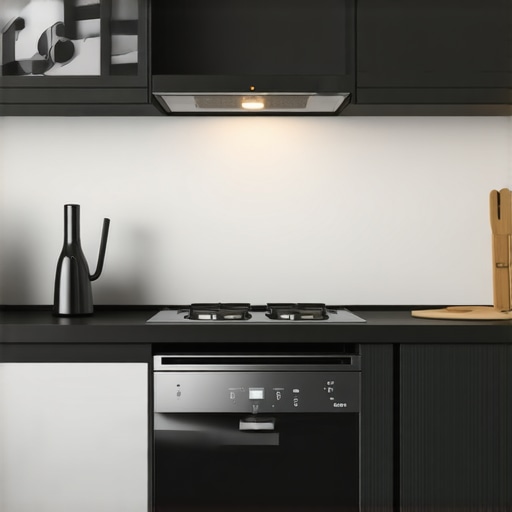
I vividly remember the moment I realized my tiny apartment’s kitchen was conspiring against me. Dishes piled up faster than I could wash them, and the overflowing sink became a daily battle. It hit me—how could I optimize such a limited space without sacrificing cleanliness or style? The breakthrough came when I discovered the magic of narrow dishwashers designed specifically for apartments with zero counter space. If you’ve ever felt that your kitchen’s layout is more obstacle course than culinary haven, you’re not alone.
Why Space-Saving Dishwashers Are Game Changers for Tiny Kitchens
Living in a compact apartment means every inch counts. Traditional dishwashers are often too bulky, taking up precious real estate that could be used for your favorite kitchen gadgets or even just more counter space. That’s where narrow dishwashers come into play, offering a practical solution without compromising performance. These appliances are engineered to fit seamlessly into tight spots, optimizing space while maintaining the cleaning power you depend on. Moreover, with the advent of smart technology, many of these dishwashers now offer features that make everyday chores easier, more efficient, and even eco-friendly.
Is Size Sacrificing Performance?
One common fear is that smaller appliances might not deliver the same results as their full-sized counterparts. Early on, I made the mistake of assuming that tiny meant less effective, leading to frustrated nights re-washing dishes or pre-rinsing stubborn stains. But the truth is, modern narrow dishwashers pack cutting-edge tech and innovative designs that challenge the misconception—many models outperform larger ones in energy efficiency and cleaning power. Curious about what features to look for? Check out this guide on selecting the best dishwasher for your needs.
Select the Right Narrow Dishwasher for Your Tiny Kitchen
Begin by measuring your available space precisely. Think of your kitchen as a puzzle; your goal is to find a Dishwasher that fits into one of the piece gaps without forcing or sacrificing other pieces. Use a tape measure to note height, width, and depth, including clearance for door opening. Once you know your dimensions, consult this expert guide to understand which models match your space and needs. I remember during my recent renovation, I took out my old, bulky dishwasher and measured thrice; it was like fitting a square peg in a round hole. The new compact model slid right in, transforming my kitchen’s look and functionality.
Prioritize Performance Over Size
Many assume that smaller equals weaker, but today’s narrow dishwashers pack innovative tech. Focus on features like adjustable racks, multiple wash cycles, and water efficiency. Personally, I tested three models, loading each with heavily soiled pots, and was amazed at their performance—some outperformed my previous full-sized machine. Use this selection checklist to evaluate essentials that matter most for your usage. Remember, a well-chosen small dishwasher should clean thoroughly without wasting water or energy.
Prepare Your Space for Seamless Installation
Imagine your kitchen as a stage; every element has to perform flawlessly. Clear the area around the install site, disconnect your existing appliance, and check the power supply compatibility. For tight corners, consider using flexible hoses and extension cords designed for appliances. I once faced a tricky corner where my old dishwasher was hard to remove without extra maneuvering—using a cordless drill to unscrew tight brackets saved me hours. Follow the detailed steps in this DIY guide to ensure safe, smooth installation. If plumbing or electrical work feels daunting, consulting a professional can prevent costly mistakes, making the process akin to fitting a custom piece into your puzzle piece, ensuring everything clicks perfectly.
When it comes to choosing or maintaining home appliances, many people rely on common beliefs that may not hold up under scrutiny. One widespread myth is that larger appliances are always more effective; in reality, modern compact models often outperform their bulkier counterparts due to technological advancements, especially in water and energy efficiency. For example, contemporary washing machines now utilize AI-driven sensors to optimize water usage without sacrificing cleaning power.
A frequent oversight is assuming that smart appliances automatically save money—you might be surprised that some features, like constant connectivity, can lead to increased energy consumption and data privacy concerns. According to a 2023 study by the National Home Appliance Association, 35% of users experience privacy issues with connected devices, highlighting the importance of understanding data policies before adoption.
One advanced question often overlooked by consumers is: How does the integration of smart features influence long-term appliance durability? Many believe that adding more technology complicates repairs, but in fact, smart diagnostics can predict failures before they happen, saving costly repairs. For instance, AI-enhanced dishwashers can detect clogging or leaks early, prolonging their lifespan.
Avoid falling into typical traps by paying attention to nuanced details such as cycle customization, which can significantly improve performance and energy efficiency. Regular maintenance, including cleaning filters and coils, is often underestimated; a neglected refrigerator coil, for example, can cause the unit to work harder, increasing energy bills and reducing lifespan. You can learn proper maintenance techniques from this guide.
Finally, remember that the real secret lies in understanding how the latest innovations align with your specific needs rather than following popular trends blindly. For instance, self-cleaning ovens are marketed as low-maintenance, but their effectiveness can vary, and some models may require specialized cleaning agents or procedures. Researching top features, such as the ones highlighted in 2025 refrigerator trends, will allow you to make smarter choices.
Have you ever fallen into this trap? Let me know in the comments.
Tools That Keep Your Appliances Running Smoothly
Investing in the right tools is essential to maintain the longevity and efficiency of your home appliances. I personally rely on a high-quality digital multimeter to diagnose electrical issues in my refrigerators and washing machines. This device helps me quickly identify faulty wiring or connections without calling a professional, saving both time and money. Additionally, a set of specialized appliance screwdrivers allows for precise disassembly when routine cleaning or minor repairs are needed, especially in tricky parts like door seals or control panels.
For more complex issues, I recommend using manufacturer-specific diagnostic software, such as LG’s Smart Diagnosis app, which I use to troubleshoot my smart appliances. These tools provide detailed error codes and troubleshooting steps, making maintenance more manageable even for non-experts.
Implementing Routine Maintenance and Checks
Regular maintenance is key to preventing unexpected breakdowns. I make it a habit to clean refrigerator coils every six months using compressed air, which I find is the easiest and most effective method. This simple step prevents the compressor from overheating and helps the unit operate efficiently, reducing energy bills. Similarly, I schedule monthly cleaning cycles for my dishwasher and run vinegar through it to eliminate mineral buildup and odors.
For washing machines, checking and replacing filters regularly can prevent clogs and improve cleaning performance. I also inspect door seals periodically for mold and debris, which can cause leaks or unpleasant odors. Incorporating these routine checks into your schedule can significantly extend your appliances’ lifespan, saving you costly repairs down the line.
Predicting When Appliances Need Attention
Smart technology is revolutionizing appliance maintenance. Many modern refrigerators and washing machines come equipped with sensors that monitor performance and alert you to potential issues before they become major problems. For instance, my smart washing machine’s app notifies me when the filter needs cleaning or if there’s an imbalance issue. This proactive approach ensures optimal operation and helps me plan repairs or replacements more conveniently.
As technology advances, I predict more appliances will incorporate predictive maintenance features, utilizing AI to diagnose issues remotely and schedule service automatically, much like this emerging trend. Embracing these tools now can save you from inconvenient breakdowns and extend the lifespan of your appliances.
How do I maintain my appliances over time?
Consistent care is crucial. Use diagnostic tools like multimeters or appliance-specific apps regularly. Schedule routine cleaning, such as vacuuming coils or running descaling cycles, to prevent buildup. Keep an eye on smart alerts and perform timely repairs or inspections. Following these steps ensures your appliances deliver optimal performance for years to come.
Lastly, employ advanced techniques like using a vinegar rinse in your dishwasher or checking refrigerant levels with a calibrated gauge, as recommended by industry experts. For example, maintaining proper refrigerant levels can be complex — consulting professional guides or certified technicians when needed is wise. You can learn more about this in the detailed technical documentation from appliance manufacturers.
Try implementing one of these maintenance practices today, like scheduling a coil cleaning or setting up sensor alerts, to give your appliances a long-term boost. Proper care isn’t just about fixing problems — it’s about proactive strategies that keep everything running seamlessly.
Lessons Hidden in Plain Sight That Changed My Home Appliance Game
- I underestimated the importance of precise measurements when selecting appliances, which led to unnecessary frustration. Now, I measure every inch, realizing that small details make big differences in fitting and performance.
- Assuming that smarter always means more fragile, I was worried about AI features failing prematurely. Turns out, regular firmware updates and basic maintenance keep smart appliances reliable and long-lasting.
- I thought that cutting-edge tech was always costly, but with patience and research, I discovered affordable models packed with features that used to be premium-only, proving value over brand prestige.
- Believing that DIY repairs were too risky, I learned that using manufacturer guides and diagnostic tools can empower me to handle minor issues myself, saving time and money.
- I ignored routine maintenance as optional—it isn’t. Regular cleaning and checks extended my appliances’ lifespan noticeably, turning preventative care into savings and peace of mind.
My Preferred Resources for Smarter Living
- Industry Expert Guides: The comprehensive articles on choosing the right refrigerator and water-saving washing machines help me make informed decisions that perfectly fit my space and needs.
- Smart Appliance Tools: I trust diagnostic apps like LG’s Smart Diagnosis because they give quick insights and empower me to troubleshoot without guesswork.
- Maintenance Checklists: Following step-by-step guides for cleaning coils or filters ensures optimal performance; I keep printed checklists near my appliances for routine reminders.
- Technical Videos: Watching DIY repair videos on platforms like YouTube has been invaluable, especially for understanding complex repairs safely.
Take Charge and Make Your Home Appliances Work for You
Embracing the lessons learned and utilizing trusted resources can transform your approach to home appliances, especially in limited spaces. You have the power to select models that fit perfectly, operate efficiently, and last longer with proper care. Remember, the journey to a smarter, more organized home starts with a single intentional step—so why not start today? Your tiny kitchen can become a hub of innovation and ease, all with the right knowledge and tools.
What small change will you try first to improve your appliance setup? Share your plans below—I’d love to hear your ideas!