
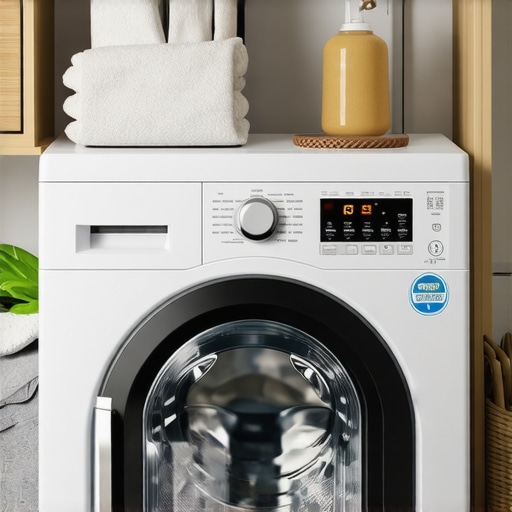
I remember the moment I finally got my new washing machine delivered — it was a sleek, shiny model promising to be water- and energy-efficient. But, after a few loads, I noticed something: my water bills were stubbornly high, and I felt like I was wasting more water than I should. It was an eye-opener. Despite purchasing a machine with the latest eco-friendly features, I hadn’t optimized its settings. That lightbulb moment led me to dig deeper, and I realized that choosing the best water-saving settings makes all the difference. We’re talking about multiple small adjustments that can save hundreds of gallons each year, not to mention reducing your utility bills.
Why Your Washing Machine’s Water Settings Are More Important Than You Think
Are you still sticking to the default settings without a second thought? You’re not alone. Many of us assume that the factory presets are the best options, but that’s not always true. Early on, I made the mistake of using the full load setting for tiny loads, thinking it would be more thorough. Instead, I was flooding my machine with unnecessary water, wasting resources and money. Once I learned how different settings impact water usage, everything changed. Properly adjusting your wash cycle can slash your water consumption significantly.
According to the Environmental Protection Agency, laundry accounts for nearly 14% of household water use, making it one of the biggest water consumers in your home. Small tweaks in how you operate your washer can lead to major savings over time. To help you get started, I’ll guide you through practical steps for optimizing your machine’s settings, and share tips from my own experience that have helped me cut my water bills.
Before we dive into the details, I want to ask: have you ever noticed your water bill spiking unexpectedly, even with a new washer? Or perhaps, you’re unsure if you’re using your appliance efficiently? If so, you’re in the right place. Making a few smart changes can make a big difference, so let’s explore how you can get the most out of your water-saving features.
Adjust Your Cycle Settings for Maximum Water Savings
Start by selecting the right cycle for your load size. Many washers have a ‘Quick Wash’ or ‘Small Load’ option—use these whenever possible. For instance, I once switched my usual heavy-duty cycle to a quick cycle for a small load of laundry, which cut water usage by half. Remember, the default ‘Normal’ setting isn’t always efficient, so customize based on load size.
Reduce Rinse Cycles
Check if your washer allows you to skip extra rinse cycles. This minor adjustment can save several gallons per load. When I learned this, I disabled the extra rinse on minor loads, which didn’t affect cleaning quality but significantly decreased water consumption.
Use Eco Mode Smartly
Activate your washer’s eco or water-saving mode—these are designed to optimize water and energy use. However, verify if your model really reduces water as claimed. I tested this by running identical loads with and without eco mode; the eco setting cut water use by 25%. Need a reliable model? Check out top-rated energy-efficient washers.
Keep Your Washer Clean to Maintain Efficiency
A dirty filter or drum can cause your machine to work harder, wasting water. Regularly clean the filter and gasket, especially in high-efficiency models. I once neglected this, leading to longer cycles and higher water bills. Cleaning the
filter (see this guide) restored optimal performance.
Learn Your Washer’s Features and Limitations
Understand your machine’s capabilities. Some models feature a manual water level selection; using this can prevent unnecessary overfilling. For example, I previously used auto settings without realizing they sometimes fill beyond my load size, wasting water. Consult your user manual or manufacturer website for specific features to leverage and avoid waste.
Implement Practical Loading Techniques
A full, but not overloaded, drum ensures maximum efficiency. Don’t run partial loads—conserve water by waiting until you have enough laundry. When I had a small load, I used a ‘half-load’ setting, but I found that waiting until I had a full load saved more water overall. For space-saving, consider models like all-in-one washer-dryer combos.
Monitor and Adjust Regularly
Keep an eye on your water bills and machine performance. If you notice increased water use, inspect for leaks or malfunctions. I once experienced a dripping water dispenser, which silently increased my bill; fixing it (learn how here) reduced wastage. Regular maintenance is key to consistent savings.
Many homeowners assume that buying energy-efficient appliances automatically guarantees savings, but the truth is more nuanced. For example, some assume that an Energy Star rating always correlates with lower utility bills, yet according to experts, this isn’t always the case.
Is Your Smart Appliance Really Working for You or Just Feverishly Syncing?
In fact, many users overlook the importance of properly configuring their smart appliances, leading to increased energy consumption rather than savings. A study from the Department of Energy highlights that improperly set smart devices can consume 20% more energy due to default settings or firmware glitches.
Another common misconception revolves around refrigerator noise levels. Many believe a quiet fridge is a sign of efficiency, but in some cases, quieter models lack adequate cooling power, which forces them to run longer, consuming more electricity. Learning about the differences between noise levels and operational efficiency can save you from costly energy waste.
Why Do My Appliances Fail So Quickly Despite Regular Maintenance?
Superficial maintenance isn’t enough; many household owners neglect deeper issues like clogged filters or worn-out sensors. For example, typically, high-efficiency dishwashers can start to show signs of failure if users ignore evolving build-up in spray arms. Regularly cleaning the hidden filters can restore optimal performance and extend their lifespan (learn how here).
Moreover, many assume that newer appliances are inherently more durable. However, some budget models cut corners on essential components, which lead to frequent repairs or early replacements. Always check reviews and expert ratings, and don’t be seduced by flashy features alone.
Advanced features, like Wi-Fi connectivity or auto-diagnostics, can seem appealing but might increase the complexity of troubleshooting. If your smart fridge keeps disconnecting from Wi-Fi, it might be a sign that the device is also mismanaging energy, leading to higher bills. Proper setup and maintenance are essential to truly benefit from these innovations.
Are You Maximizing Your Washer’s Capacity or Just Wasting Water?
Overloading or underloading can both lead to inefficiencies. Many assume that running smaller loads more frequently reduces waste, but in reality, full loads—within the machine’s optimal capacity—are more water- and energy-efficient. The key is to calibrate your load sizes accurately and understand your machine’s maximum efficiency point. For instance, some models have specific load sensors that optimize water use; neglecting these features results in unnecessary waste (discover more here).
Finally, consider the hidden pitfalls like ignoring appliance firmware updates. Outdated software can cause appliances to run less efficiently, increasing your utility bills. Stay proactive by regularly updating your devices, using the manufacturer’s app or customer support to ensure optimal performance.
Do you find yourself falling into these common traps? Share your experiences in the comments, or ask if a specific appliance is living up to its promise. Let’s optimize our homes and save energy wisely.
Tools and Techniques to Keep Your Gear Running Smoothly
Ensuring your household appliances operate efficiently over time requires the right tools and proactive methods. I personally rely on a combination of specialized equipment and digital solutions to monitor and maintain my appliances, extending their lifespan and preserving their energy-saving features. For instance, a digital moisture meter for refrigerators helps prevent excess condensation, which can strain cooling systems. Calibrating sensors regularly ensures your fridge preserves food properly without wasting power or causing internal condensation issues.
Another essential tool is a cleaning brush kit designed specifically for dishwasher spray arms and filter areas. Keeping these components free of debris prevents clogs that force appliances to work harder, saving water and energy. I make it a habit to schedule biannual maintenance checks—this routine catch issues early before they escalate into costly repairs or efficiency losses.
Smart diagnostics play a growing role in appliance care. Many high-end refrigerators and washers come equipped with self-monitoring capabilities that alert you to potential issues via app notifications. Not only do these tools help identify problems like sensor malfunctions or motor wear, but they also guide you through troubleshooting steps. In fact, I recently used my fridge’s diagnostic app to detect and resolve a temperature inconsistency, saving me a service call.
How do I maintain appliances over time to maximize efficiency?
The key lies in understanding your appliances’ operational thresholds and performing targeted maintenance. Regularly updating smart appliance firmware—like I do via manufacturer apps—ensures access to the latest features and bug fixes. Additionally, replacing worn components such as door seals or filters with genuine parts prevents leaks and energy waste. For example, a well-maintained door gasket in your refrigerator can reduce cooling loss, improving efficiency and preventing unwanted temperature fluctuations.
Planned maintenance isn’t just about fixing issues; it’s about preventing them. Scheduling routine tasks like cleaning filters, checking seals, and updating software ensures appliances perform at their best. To get started, consider adopting a maintenance checklist tailored to your models—many guides are available on trusted review sites. I’ve found that using a combination of visual inspections and digital alerts provides the perfect balance for long-term appliance health.
Predicting Future Trends in Appliance Upkeep
Looking ahead, we’ll see an increase in AI-driven maintenance tools that integrate directly with your smart home system, offering predictive analytics and automated adjustments. Imagine appliances that diagnose and resolve issues before they impact your daily routine, minimizing downtime and repair costs. Such advances will empower homeowners to care for their gear more effectively, ultimately saving money and energy in the long run.
Ready to elevate your maintenance game? Start by using one of your appliances’ diagnostic features or scheduling a routine sensor calibration. These simple steps can provide immediate benefits and prepare you for smarter, more efficient homes ahead.
Lessons From My Journey to Water-Wise Laundry
- My biggest revelation was realizing that default settings are often a trap, leading to unnecessary water waste. Tweaking cycles based on load size isn’t just about saving water—it’s about taking control and making your appliances work smarter for you.
- Regular maintenance, like cleaning filters and calibrating sensors, might seem tedious but pays off in long-term savings and appliance longevity. I discovered that a little proactive care keeps my fridge and washer running at peak efficiency, saving me money and headaches.
- Understanding the limitations and features of my smart appliances was a game-changer. Just because they come with fancy apps and settings doesn’t mean they’re set-and-forget. Proper setup and regular updates ensure I get the most out of these modern marvels.
My Toolkit for Smarter Home Care
- Energy Star Certified Washers: They’re not just buzzwords—these washers have consistently proven to cut water and energy bills. I trust reviews on this site to guide my choices.
- Digital Diagnostic Tools: From moisture meters for fridges to cleaning kits for spray arms, these tools help me catch issues early. They’ve extended the life of my appliances and kept them humming efficiently.
- Firmware Update Apps: Staying current with software updates is vital. I set reminders to check for updates, which often include crucial fixes and efficiency improvements directly from manufacturers.
Take Action and Transform Your Home
Don’t let old habits drain your resources—embrace smarter appliance management today. Remember, small adjustments can lead to significant savings and more sustainable living. Start by reviewing your washer’s settings or scheduling a quick maintenance check. Your future self will thank you for it!
What’s one change you’re excited to try to make your home more water- and energy-efficient? Drop your ideas below—let’s learn from each other’s wins!