
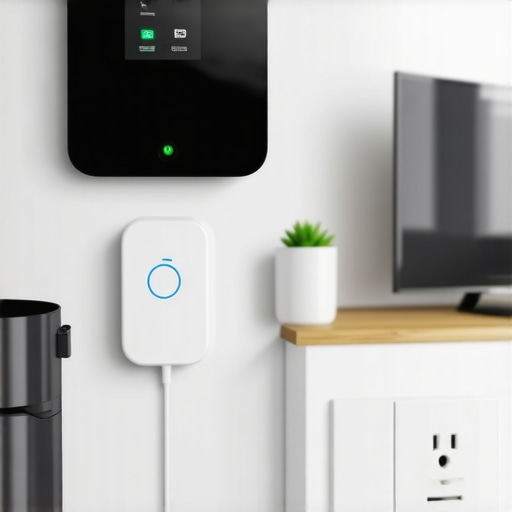
I remember the moment clearly—standing in my kitchen, dishwasher running for what felt like the hundredth time that week, and wondering if all this energy was really necessary. It hit me: I had no real way of knowing whether my appliances were consuming more juice than they should, or if they were quietly draining my wallet in the background. That lightbulb moment sparked a quest for a smarter way to understand my home’s energy habits. If you’ve ever felt frustrated by hidden energy costs or simply want to cut down on utility bills, you’re not alone. Many homeowners like myself are discovering that the right tools can make all the difference.
The Power of Monitoring: Why Smart Plugs Changed the Game for Me
Is the hype around smart plugs actually worth it?
Early on, I made the mistake of thinking that all smart plugs were just fancy gadgets, not realizing how crucial they are for practical energy management. I bought a few without doing much research, only to find that some didn’t integrate well with my existing setup or lacked real-time energy tracking. It wasn’t until I discovered models designed specifically for monitoring appliance energy use that I realized the potential. These devices allowed me to see exactly how much power each appliance consumed, identify energy hogs, and adjust my habits accordingly. According to the U.S. Department of Energy, small tweaks in appliance use can save hundreds annually—something I wish I had known earlier.
If you’re skeptical about whether investing in smart plugs is truly beneficial, ask yourself: Are you really comfortable continuing to operate your home appliances blindly, or do you want to take control and start saving money today? Embracing smart technology isn’t just about convenience; it’s about empowering yourself with data that can cut costs and reduce environmental impact.
In the next sections, I’ll walk you through how I selected the best smart plugs for energy monitoring, share tips on integrating them seamlessly into your home, and help you avoid common pitfalls that could undermine your efforts. Ready to turn those hidden energy drains into savings? Let’s dive in.
Select the Right Smart Plugs for Energy Tracking
Start by identifying smart plugs that provide real-time energy consumption data. Look for models compatible with your existing voice assistants or home automation systems. When I chose my first smart plug, I tested several, but only those with detailed energy reports helped me identify my high-consuming appliances, such as my old dishwasher.
Test Compatibility and Features
Ensure the smart plug can monitor power usage accurately and integrates smoothly with your smartphone app. During my setup, I experienced some frustration with devices that only showed total operational hours rather than actual energy use, so I prioritized those with detailed metrics.
Connect and Configure Your Devices Thoroughly
Plug your selected smart plugs into outlets near each appliance. Use the manufacturer’s app to set up device pairing. Think of it like giving each appliance a smart Many homeowners assume that today’s smart appliances are foolproof, but in my experience, there’s more nuance than most realize. A common myth is that newer models always save energy, but in reality, many high-tech features can lead to increased power consumption if not configured properly. For example, some smart refrigerators continue to run unnecessarily when their door sensors malfunction, causing higher energy bills. Additionally, there’s a misconception that all washing machines and dishwashers operate quietly; however, certain models with AI-driven features can be noisier if maintenance is neglected. Navigating these subtleties is crucial for maximizing efficiency and longevity of your appliances.
Why do many smart appliances consume more energy than traditional ones despite promises of savings?
Research by industry experts highlights that smart appliances often run prolonged or unnecessary cycles due to software glitches or unrealistic default settings. This can ironically offset their energy-saving benefits. Moreover, features like remote diagnostics or frequent firmware updates, while beneficial, increase bandwidth usage and sometimes lead to increased power draw. To avoid falling into these traps, it’s essential to stay updated with manufacturer recommendations and regularly perform maintenance checks. I recommend consulting industry analyses to better understand these advanced nuances, such as the detailed insights available in the [Ultimate Guide to Smart Home Appliances](https://smartappliancereview.com/ultimate-guide-to-smart-home-appliances-for-a-modern-living).
Being aware of these often-overlooked issues empowers you to optimize your appliances, ensuring they deliver on their promises. Do you think your appliances are truly efficient? Or could you be unknowingly wasting energy? Share your experiences in the comments and let’s explore how to get the most from your smart home investments.
Tools I Recommend for Long-Term Appliance Maintenance
Maintaining smart appliances over time requires reliable tools and a proactive mindset. One of my go-to devices is the Fluke 376 FIA Clamp Meter, which I use to spot-check electrical loads in my refrigerators and washing machines. Its high accuracy helps me identify anomalies before they cause major issues, effectively extending the lifespan of my appliances. Additionally, I rely on the iFixit Pro Tech Toolkit for performing minor repairs and routine maintenance such as replacing door gaskets or cleaning filters. Having quality screwdrivers and anti-static wristbands ensures I don’t accidentally damage sensitive components.
Beyond hardware tools, I use smart home management apps like Samsung SmartThings or Apple’s HomeKit to automate maintenance routines. These apps remind me when to run firmware updates, check connection stability, or schedule regular cleaning cycles, keeping my appliances functioning optimally over the long term.
How do I maintain my appliances for peak performance over time?
Executing a regular maintenance schedule is key. For example, I set quarterly reminders to clean refrigerator coils, check water supply lines for leaks, and test smart sensors for responsiveness. According to industry expert this guide, preventive upkeep reduces unexpected breakdowns and enhances energy efficiency. A critical tip is to keep firmware updated by connecting appliances to your Wi-Fi network and scheduling automatic updates, which often include important bug fixes and performance improvements.
In the future, I predict that integrated predictive maintenance systems will become standard, alerting users before issues escalate. Embracing current tools and habits now will prepare you for this evolution and ensure your smart home remains reliable and cost-effective.
The Hardest Lesson I Learned About Home Appliances
Despite envisioning sleek, energy-efficient appliances, I discovered that neglecting routine maintenance and firmware updates can counteract their benefits. Over time, I realized that staying proactive is key to truly saving energy and prolonging device lifespan, a lightbulb moment that transformed my approach.
My Top Resources for Smarter Appliance Care
I rely heavily on the Ultimate Guide to Smart Home Appliances for understanding long-term smart appliance management. It offers comprehensive insights I trust. Additionally, the industry report Future Trends in Home Appliances keeps me ahead of upcoming innovations. The Smart Washing Machine Tips help me optimize laundry routines, saving water and energy.
Embrace the Next Step in Energy Efficiency
Taking control of your home appliances with smart monitoring tools isn’t just practical—it’s empowering. Every small change adds up to significant savings and a more sustainable home. Don’t wait for problems to escalate—start today and experience the difference. How have smart appliances transformed your daily routines? Share your stories below, and let’s learn together!