
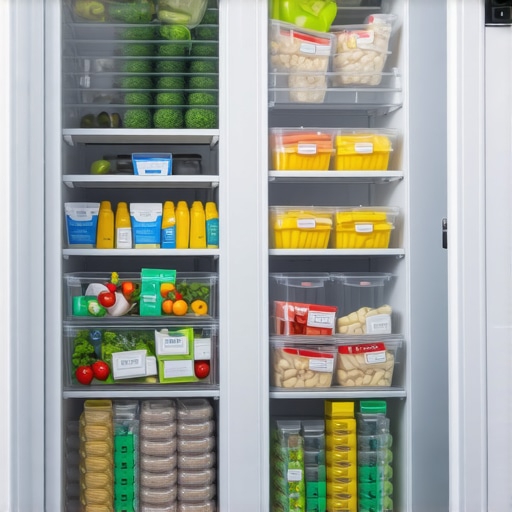
I was standing in front of my open freezer at 7:00 PM last Tuesday, clutching a block of frozen spinach like a losing player in a high-stakes game of Tetris. One wrong move and the heavy bag of ice would come crashing down on my big toe—for the third time this month. That was my breaking point. I realized I wasn’t just bad at organizing; I was treating my freezer like a junk drawer that happened to be cold. Most of us living with compact appliances feel this frustration daily. We buy the bulk bags of frozen fruit, shove them in, and suddenly the ground beef we actually need for dinner is buried under a mountain of mystery bags. Today, I’m going to show you exactly how I reclaimed those few precious cubic feet so you never have to dodge a frozen turkey again.
Stop Keeping Food in the Original Boxes
When I first started trying to optimize my kitchen, I made the classic rookie mistake of keeping everything in its original cardboard packaging. It feels organized, right? Wrong. Those boxes are mostly air and marketing. I once had three different half-empty boxes of veggie burgers taking up an entire shelf. By ditching the boxes and switching to clear, stackable bins, I instantly doubled my usable space. If you are still in the process of choosing the right refrigerator for a tight space, you know every inch counts. Have you ever found a mystery bag of freezer-burned meat at the bottom of your unit and wondered how long it had been lurking there?
Is a small freezer actually worth the struggle?
You might think you need a massive chest freezer in the garage to survive, but most of us just need a better system. The truth is that a packed, disorganized freezer actually works harder and costs more to run. According to the Natural Resources Defense Council (NRDC), the average American family wastes about $1,500 of food a year, much of which is simply forgotten in the depths of our appliances. Learning how to organize your freezer to prevent frost burn is the first step toward stopping that financial drain. For those who love to cook, the best smart fridges for people who love to meal prep often come with better internal layouts, but even the humblest studio-apartment unit can be a powerhouse if you use my ‘vertical filing’ method. We aren’t just stacking food; we are creating a library of ingredients that you can actually see and reach.
Treat Your Freezer Like a Filing Cabinet
The biggest mistake we make is stacking bags of peas on top of bags of corn, creating a sedimentary rock of frozen goods that requires an archaeological dig to navigate. Instead, you need to think like an office manager from 1995. When you freeze liquids like soups, stews, or sauces, pour them into heavy-duty freezer bags and lay them flat on a cookie sheet until they are solid. Once they are frozen into ‘bricks,’ you can stand them upright in a bin. This vertical filing system means you can flip through your meals like folders in a drawer. I remember a Tuesday night when I was hunting for a specific batch of homemade marinara. In my old ‘stacking’ system, I would have had to pull out every single item, but with vertical filing, I spotted the red edge of the bag and had dinner on the stove in under sixty seconds. Using the secret to preventing freezer burn in your smart refrigerator, which often involves minimizing air exposure in these bags, ensures that these ‘files’ stay fresh for months. 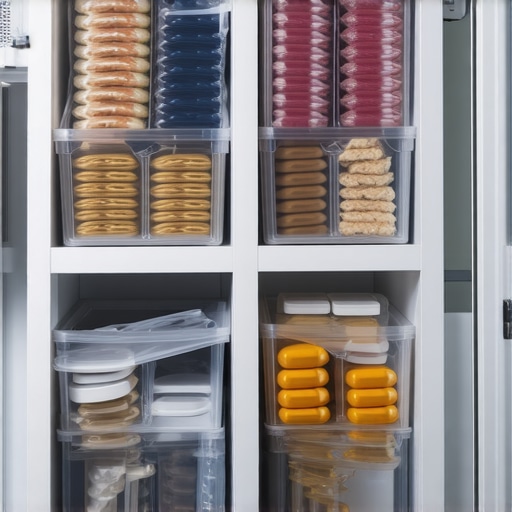
Flat-Freeze Your Way to Extra Inches
Most people just toss a bulky bag of chicken breasts into the freezer and call it a day. This creates dead space—awkward gaps where nothing else can fit. By freezing items flat first, you are essentially creating your own custom-sized building blocks. This is particularly vital if you are working with the best slim refrigerators for studio apartment living and tight corners where every millimeter is a premium. If your unit is struggling to keep these flat packs at the right temperature, you might need to learn how to recalibrate your refrigerators internal thermometer for better cooling to ensure your hard work doesn’t go to waste.
Invest in Clear Bins to End the Digging
You wouldn’t throw all your clothes into one giant pile in the closet, so why do we do it with our food? Clear plastic bins are the unsung heroes of appliance organization. I use three: one for ‘Protein,’ one for ‘Vegetables,’ and one for ‘Prepared Meals.’ This creates physical boundaries that prevent ‘freezer creep,’ where one category slowly invades the rest of the shelf. If you notice that your bins are getting stuck or that your refrigerator is creating excessive ice in the freezer, it’s often a sign that air isn’t circulating properly between your containers. Ensure there is at least a half-inch of ‘breathing room’ between the back wall and your bins to keep the motor from overworking.
Label Everything Before It Becomes a Mystery
Frozen food has a way of turning into a generic beige blob once it’s been in there for a month. I once defrosted what I thought was spicy chili, only to realize—too late—that it was actually pumpkin pie filling. It was a culinary disaster that could have been avoided with a simple piece of masking tape and a permanent marker. Always write the contents and the date clearly on the top edge of the bag (the part that faces up in your filing system). If you are using a high-end unit, check how to fix a smart fridge camera that wont show you the interior so you can verify your labels from the grocery store aisle without even opening the door. Mastery of your freezer isn’t about having more space; it’s about having a better strategy for the space you already own.But organization is only half the battle. Once you have mastered the layout, you have to master the machine itself. Most homeowners treat their high-tech units like 1980s mechanical beasts, but these appliances are built on a layer of delicate sensors that require a different approach. Let us dig deeper into why your high-efficiency habits might actually be sabotaging your results.
Why Eco Settings Are Smarter Than You Think
Everyone says that ‘Eco’ modes are just a marketing gimmick that leaves your dishes wet and your clothes damp, but in my experience, the opposite is true. The real problem is how we interact with the sensors. When you pre-rinse your dishes until they are spotless, you are effectively blinding the machine. Modern turbidity sensors measure how dirty the water is to determine the cycle length. If the water stays clear, the machine cuts the cycle short, often leaving behind a gritty residue. You might wonder how to tell if your appliances eco-friendly tag is just marketing, but the truth is that these modes are engineered to use lower temperatures over longer periods, which is actually more effective at breaking down proteins. A study by the University of Bonn found that modern dishwashers use significantly less water than hand-washing, but only if you let the sensors do the heavy lifting without ‘helping’ them first.
The Hidden Danger of Using Too Much Detergent
The biggest ‘oops’ factor I see with modern laundry and kitchen tech is the ‘more is better’ mentality regarding soap. If you are noticing that your energy efficient washer leaves your clothes feeling crunchy, you are likely using twice the amount of detergent needed. High-efficiency (HE) machines use very little water; excessive suds create a ‘suds lock’ that prevents the clothes from tumbling and confuses the pressure sensors. This leads to extra rinse cycles that waste water and wear out your motor prematurely. Mastering the secret to using less detergent in your high-efficiency washer is the single best way to extend the life of your appliance. Have you ever fallen into this trap? Let me know in the comments. 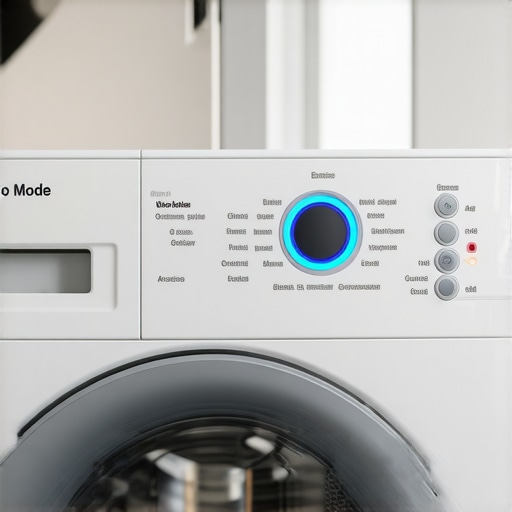
Why does the timer on your washer always seem to lie?
It is one of the most sophisticated complaints I hear: ‘The screen said 10 minutes, but it has been 20!’ This isn’t a glitch; it is the AI at work. If your machine detects an unbalanced load or if the water is taking too long to drain, it will automatically add time to protect the internal components. If you find your unit is constantly stalled, you should check how to fix a washing machine that is stuck on the sensing cycle. Understanding why your washing machine takes much longer than the timer says helps you realize that the machine is actually trying to save itself from a costly repair. By respecting the sensors and backing off the detergent, you transform your freezer and laundry room from a source of stress into a perfectly tuned ecosystem.
The Gritty Reality of Filter Maintenance
I used to think my front-loader was a self-cleaning marvel until it started smelling like a swamp. That was my introduction to the debris filter—a small, often hidden compartment that many homeowners don’t even know exists. If you want to know how to clean the debris filter on your front load washer effectively, you have to be willing to get on the kitchen floor with a shallow pan and a towel. This little trap catches coins, pet hair, and a thick sludge of undissolved detergent that would otherwise destroy your drain pump. The same manual logic applies to your kitchen tech. Even if you regularly research the best way to sanitize your dishwasher without using bleach, you still need to physically pull out the mesh filter at the bottom and scrub it under running water. According to the Association of Home Appliance Manufacturers (AHAM), neglecting these physical cleaning tasks is the primary reason why high-efficiency components fail years before their intended lifespan, often leading to a 10-15% drop in energy efficiency within the first two years of ownership. 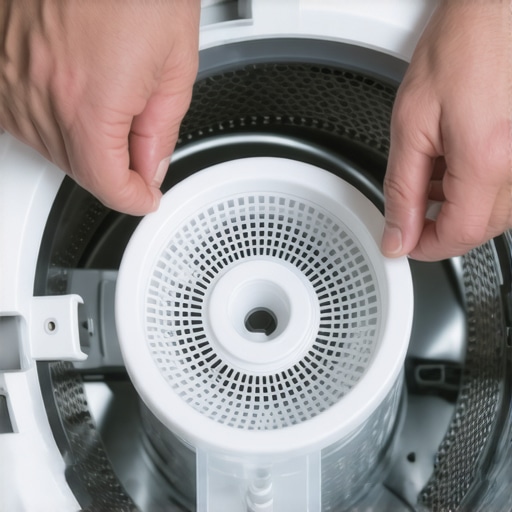
Stop Fighting Your Wi-Fi Signal
Nothing is more frustrating than seeing a notification for why your smart appliance app keeps asking for a firmware update only for the process to fail halfway through. I have found that most so-called ‘connectivity issues’ are actually just poor signal strength disguised as hardware glitches. If your refrigerator is tucked into a corner surrounded by thick tile, cabinetry, and stainless steel, it is essentially sitting in a Faraday cage. I eventually had to move a dedicated mesh network node to the kitchen island just to stop getting why your smart dishwasher app keeps giving you phantom errors on my phone. Once I stabilized the connection, the AI-driven features—like automatic load detection—actually started delivering accurate results. You might even find that once your software is finally communicating correctly, you can accurately how to recalibrate your refrigerators internal thermometer for better cooling based on the real-time data the app provides.
How do I prevent my smart appliances from breaking early?
The secret to a decade of service isn’t a better warranty; it is a rigid maintenance schedule. I keep a digital log on my phone for every time I vacuum the refrigerator coils and run a dedicated tub-clean cycle with an active descaler. If you skip these mundane chores, you will eventually be searching for how to spot a failing refrigerator compressor before it dies. Modern machines are high-performance tools, and unlike the mechanical beasts of the 1970s, they do not handle neglect with grace. Dust on the coils forces the motor to run hotter and longer, which is the number one killer of smart fridges today.
The AI Revolution in Maintenance
Looking toward the future of home appliances trends to watch in 2025, we are seeing a major shift from reactive repairs to ‘predictive maintenance.’ Soon, your washing machine will not just tell you it is broken; it will analyze its own vibration patterns and alert you that a bearing is beginning to wear down weeks before it actually snaps. Until that technology becomes the standard in every household, the responsibility for longevity rests on us. I challenge you to try one advanced tip today: go find the manual for your washer, locate that hidden filter door, and clear it out for the first time. You might be shocked at what you find, and your wallet will certainly thank you for the extra years you just added to the machine’s life.
Five Years of Freezer Fails and What They Taught Me
Looking back at my freezer-fumble days, I realize that the biggest hurdle wasn’t the size of my kitchen, but my mindset. Here is what I’ve learned from the front lines of home maintenance:
- Trust your sensors over your instincts. I had to train myself to stop pre-rinsing dishes and let the AI-driven sensors do their job. Consulting the ultimate guide to smart home appliances for a modern living helped me stop overthinking the process.
- Avoid the quick-wash trap. It is tempting to shave off time, but heavy loads like towels need the full cycle to avoid unbalancing the drum and causing long-term wear.
- Connectivity should serve you. Use your appliance apps to track energy spikes. Switching to the best energy saving settings for your smart washing machine significantly lowered my monthly bills.
- Routine is the ultimate repair-preventer. A monthly filter check is much cheaper than a service call.
The Tiny Accessories That Make a Massive Difference
To keep my system running, I rely on a few specific tools that bridge the gap between high-tech features and real-world use. First, I highly recommend magnetic dry-erase labels for your freezer door; they allow you to see your inventory without letting all the cold air out. Second, a dedicated Wi-Fi mesh node in the kitchen ensures your firmware updates do not fail mid-stream. Finally, using citric-acid descalers once a month keeps the internal components of your dishwasher and washer free from scale. If you are looking to start fresh, take a look at the best energy saving refrigerator models currently on the market for high-efficiency options. #IMAGE_PLACEHOLDER_E#
Your Path to a Stress Free Kitchen Starts Here
You do not need a massive renovation to reclaim your kitchen efficiency. By implementing the vertical filing method, trusting your machine AI, and sticking to a simple maintenance schedule, you can double the lifespan of your home appliances. These machines are designed to make your life easier, and with these strategies, they finally will. Understanding how smart washing machines can simplify laundry day is just one step toward a more organized life. Which appliance in your home gives you the most trouble when it comes to keeping it organized? Let me know in the comments below!