

I remember the afternoon I finally finished my kitchen remodel. Everything was perfect, especially that sleek, counter-depth refrigerator that sat flush with my cabinets. It looked like a page out of a high-end catalog. Then, I went to the grocery store. I came home with a standard haul—milk, eggs, a few heads of kale, and a rotisserie chicken—and reality hit me like a blast of cold air. I couldn’t close the door. I was literally shoving a bag of spinach behind the condiments just to get the seal to catch. In my quest for a beautiful kitchen, I’d sacrificed nearly six inches of depth, and my groceries were paying the price. If you have ever felt like you are playing a high-stakes game of Tetris just to store a gallon of milk, you are in the right place. Today, I am going to show you how to turn that shallow box into a storage powerhouse without losing your mind.
The Day My Salad Became a Pancake
This was my rock bottom. I had squeezed a plastic container of spring mix into a gap that was clearly too small. By the next morning, the pressure from the door had flattened my greens into a sad, green pancake. It was a classic rookie mistake. When I first transitioned from a deep, standard unit, I didn’t realize that choosing the right refrigerator tips from industry experts really emphasize the trade-off between style and volume. According to data from Consumer Reports, counter-depth models typically lose about 20% of the usable capacity compared to their full-depth cousins. I spent weeks frustrated, blaming the appliance, until I realized the problem wasn’t the fridge—it was my lack of a system. I was still trying to load it like my grandmother’s old deep-well unit. We are going to fix that today by rethinking your layout from the crisper drawer up.
Does a Sleek Profile Mean You Will Always Be Hungry?
You might be wondering if these smaller units are even worth the hype or if they are just a vanity project for people who never cook. It is a valid fear! I used to think I’d have to go to the store every single day just to keep food on the table. But the truth is, a counter-depth fridge forces you to be more organized, which actually leads to less food waste. Have you ever found a jar of pickles in the back of a deep fridge that expired in 2019? That doesn’t happen here because you can see everything.
Use Your Vertical Space Before You Lose Your Mind
My biggest early fail was buying those giant, deep organizational bins from a big-box store. I thought I was being a pro, but they were too long for the shallow shelves! It was a total waste of money. Instead, I had to learn the best refrigerator shelving hacks for more space, which mostly involve adjusting the height of your shelves to fit specific containers rather than leaving them in the factory default positions. We also need to be careful about airflow; I once blocked the back vent and ended up wondering why your fridge is freezing everything on the top shelf. It turns out, when you overstuff a shallow space, the cold air has nowhere to go. Have you ever stood in front of your open fridge crying over a watermelon that won’t fit? Drop a comment and tell me your most frustrating ‘won’t fit’ moment—I promise I have been there too.
M a s t e r t h e S h a l l o w F o o t p r i n t W i t h o u t t h e H e a d a c h e
T h i n k o f y o u r c o u n t e r-d e p t h r e f r i g e r a t o r l i k e a h i g h-e n d c i t y a p a r t m e n t. Y o u d o n’t h a v e t h e l u x u r y o f s p r a w l i n g s u b u r b a n s p a c e, s o y o u h a v e t o b u i l d u p w a r d a n d s t a y l e a n. W h e n I f i r s t s t a r t e d, I t r e a t e d m y f r i d g e l i k e a j u n k d r a w e r, t o s s i n g i t e m s i n w h e r e v e r t h e y f i t. T h a t c h a n g e d t h e n i g h t I s p e n t t w e n t y m i n u t e s l o o k i n g f o r a j a r o f c a p e r s t h a t w a s h i d i n g i n p l a i n s i g h t. T o w i n t h i s g a m e, y o u m u s t a d o p t a ‘f i l e, d o n’t p i l e’ m e n t a l i t y. I f y o u c a n’t s e e i t, y o u w o n’t e a t i t, a n d i n a s h a l l o w u n i t, v i s i b i l i t y i s y o u r g r e a t e s t a s s e t.
S t o p S t a c k i n g a n d S t a r t F i l i n g Y o u r F o o d
T h e m o s t e f f e c t i v e w a y t o g a i n s p a c e i s t o s t o p s t a c k i n g c o n t a i n e r s o n t o p o f e a c h o t h e r. W h e n y o u s t a c k, t h e b o t t o m i t e m b e c o m e s a n a r c h a e o l o g i c a l r e l i c y o u’l l n e v e r f i n d a g a i n. I n s t e a d, u s e n a r r o w, c l e a r a c r y l i c b i n s t h a t a c t l i k e d r a w e r s. T h i s a l l o w s y o u t o p u l l o u t a n e n t i r e c a t e g o r y o f f o o d—l i k e a l l y o u r d e l i m e a t s o r a l l y o u r y o g u r t s—a t o n c e. L a s t N o v e m b e r, I t r i e d t o s h o v e a 2 0-p o u n d T h a n k s g i v i n g t u r k e y i n t o m y f r i d g e a n d r e a l i z e d i t w a s a c t u a l l y d e e p e r t h a n m y s h e l v e s. I h a d t o c o m p l e t e l y r e m o v e o n e s h e l f a n d r e a r r a n g e t h e e n t i r e u n i t j u s t t o m a k e i t f i t. I t w a s a c h a o t i c h o u r o f ‘f r i d g e T e t r i s,’ b u t i t p r o v e d t h a t t h e b e s t r e f r i g e r a t o r s h e l v i n g h a c k s f o r m o r e s p a c e i n v o l v e b e i n g w i l l i n g t o m o v e t h o s e s h e l v e s f r e q u e n t l y. D o n’t b e a f r a i d t o l e a v e o n e s h e l f h i g h f o r t a l l b o t t l e s a n d k e e p t h e o t h e r s t i g h t f o r f l a t i t e m s l i k e b a c o n o r c h e e s e.
# I M A G E_P L A C E H O L D E R_B#
W h y Y o u r D o o r B i n s A r e W a s t e d R e a l E s t a t e
I n a s t a n d a r d f r i d g e, t h e d o o r i s f o r c o n d i m e n t s. I n a c o u n t e r-d e p t h m o d e l, t h e d o o r i s y o u r M V P. B e c a u s e t h e m a i n s h e l v e s a r e s h a l l o w, y o u n e e d t o m o v e a s m u c h b u l k a s p o s s i b l e t o t h e p e r i m e t e r. I u s e d t o k e e p m y m i l k o n t h e t o p s h e l f u n t i l i t s t a r t e d t u r n i n g i n t o a s l u s h y. I h a d t o l e a r n h o w t o s t o p y o u r r e f r i g e r a t o r f r o m f r e e z i n g t h e m i l k o n t h e t o p s h e l f, w h i c h o f t e n i n v o l v e s m o v i n g i t t o t h e d o o r w h e r e t h e t e m p e r a t u r e i s s l i g h t l y m o r e m o d e r a t e. M a n y r e f r i g e r a t o r s i n 2 0 2 5 t o p f e a t u r e s t h a t t r a n s f o r m y o u r k i t c h e n i n c l u d e d e e p e r d o o r b i n s s p e c i f i c a l l y d e s i g n e d t o h a n d l e g a l l o n j u g s, w h i c h f r e e s u p t h a t p r e c i o u s, s h a l l o w s h e l f s p a c e f o r y o u r a c t u a l m e a l s.
K e e p t h e A i r M o v i n g t o S a v e Y o u r G r o c e r i e s
A c o m m o n m i s t a k e i n s m a l l e r u n i t s i s ‘w a l l-t o-w a l l’ p a c k i n g. I f y o u b l o c k t h e b a c k v e n t s, y o u’l l e n d u p w i t h h o t s p o t s a n d f r o z e n l e t t u c e. Y o u n e e d t o m a i n t a i n a b o u t a n i n c h o f ‘b r e a t h i n g r o o m’ a t t h e b a c k o f e v e r y s h e l f. T h i s i s e s p e c i a l l y i m p o r t a n t f o r d e l i c a t e i t e m s; I’v e f o u n d t h a t t h e b e s t r e f r i g e r a t o r t e m p e r a t u r e s f o r k e e p i n g l e a f y g r e e n s c r i s p o n l y w o r k i f t h e a i r c a n c i r c u l a t e a r o u n d t h e c r i s p e r d r a w e r. T r e a t y o u r v e n t s l i k e t h e l u n g s o f t h e a p p l i a n c e—s u f f o c a t e t h e m, a n d t h e w h o l e s y s t e m f a i l s. I f y o u f i n d y o u r s e l f c o n s t a n t l y b a t t l i n g a l a c k o f r o o m, i t m i g h t b e t i m e t o l o o k i n t o c h o o s i n g t h e r i g h t r e f r i g e r a t o r t i p s f r o m i n d u s t r y e x p e r t s t o s e e i f y o u r c u r r e n t l a y o u t i s w o r k i n g a g a i n s t t h e m a c h i n e’ s d e s i g n.
Stop Buying Based on Cubic Feet Alone
Everyone tells you to check the capacity, but in the world of counter-depth units, the “raw” cubic footage is a lie. Industry experts often point out that usable space is significantly impacted by insulation thickness and cooling tech. I’ve seen 22-cubic-foot models that feel more cramped than a well-designed 18-cubic-foot unit because the internal shelving isn’t optimized for modern packaging. When you’re looking at refrigerators in 2025 top features that transform your kitchen, pay attention to the internal geometry, not just the sticker on the door. A shallow fridge with wide, flexible shelves is often more practical than a slightly deeper one with awkward “dead zones” in the back corners that you’ll never reach.
Why your high-efficiency fridge runs more often than your old one
Here is a nuance that drives most people crazy: they think their new fridge is broken because they hear it humming all day. “My 1995 Kenmore only ran for ten minutes at a time!” they cry. But here’s the truth: modern units use inverter compressors. According to the Association of Home Appliance Manufacturers (AHAM), these compressors are designed to run at variable speeds for up to 80-90% of the day. It’s actually more efficient to stay “at speed” than to constantly stop and start, much like a car on a highway versus stop-and-go traffic. If you’ve been worried about this constant noise, check out my deep dive on why your high-efficiency fridge runs more often than your old one. It is a sign of a healthy, energy-saving system, not a mechanical failure.
The Invisible Killer of Modern Compressors
The biggest “oops” factor I see with the counter-depth trend is the “tight-fit trap.” We want that built-in look, so we shove the fridge into a cabinetry alcove with zero breathing room. This is one of the 5 mistakes that are shortening the life of your smart refrigerator. Without at least a half-inch of clearance on the sides and an inch at the top, the heat-exchange coils can’t shed warmth. Your compressor works twice as hard to maintain the same internal temperature, significantly reducing its lifespan. Furthermore, people often forget the “door-swing radius.” Just because the box is 24 inches deep doesn’t mean the doors won’t hit your adjacent wall when opened. I’ve seen beautiful kitchens where the homeowner can’t even pull out the crisper drawer because the door only opens 80 degrees. Following choosing the right refrigerator tips from industry experts regarding spatial planning is the difference between a functional kitchen and a constant headache.
How do I know if the internal sensors are actually accurate?
Don’t trust the digital display on your door blindly. Many high-end units show you the target temperature, not the actual live temperature. If you’ve noticed your milk is a little too frosty or your berries are molding faster than usual, you need to learn how to calibrate your refrigerator thermometer without calling a pro. Place a manual thermometer in a glass of water on the middle shelf for 24 hours to get a true reading of the thermal mass. Have you ever fallen into this trap of trusting the digital display only to find ruined groceries? Let me know in the comments—I’d love to hear your “tech vs. reality” stories and help you troubleshoot those cooling inconsistencies.
Once you have mastered the thermometer and organized your shelves, the next step in keeping that shallow footprint running is focusing on what is happening underneath the hood. I used to think a quick vacuum of the kitchen floor was enough until I realized my compressor was straining just to keep up with a standard load of milk and eggs. I finally invested in a 24-inch flexible condenser brush, and the amount of pet hair and lint I pulled out from under the unit was honestly embarrassing. If you have noticed your fridge sounds like it is whistling at you, it is likely gasping for air because the coils are choked with dust. Learning how to clean the hidden debris under your refrigerator grille is the single most effective thing you can do to prevent a massive repair bill. Experts at the Appliance Service Training Institute (ASTI) emphasize that even a thin layer of dust on condenser coils can reduce thermal exchange efficiency by up to 20%, forcing the motor to run hotter and significantly shortening its lifespan.
Grab a Coil Brush or Prepare for a Repair Bill
Using a dedicated coil brush is non-negotiable for me now because vacuum attachments simply cannot reach the tight crevices where heat builds up. I make it a habit to do this every six months, or every three if you have a shedding dog like mine. You will literally hear the compressor sigh in relief as the cycle times shorten. This is a crucial part of avoiding the 5 mistakes that are shortening the life of your smart refrigerator. 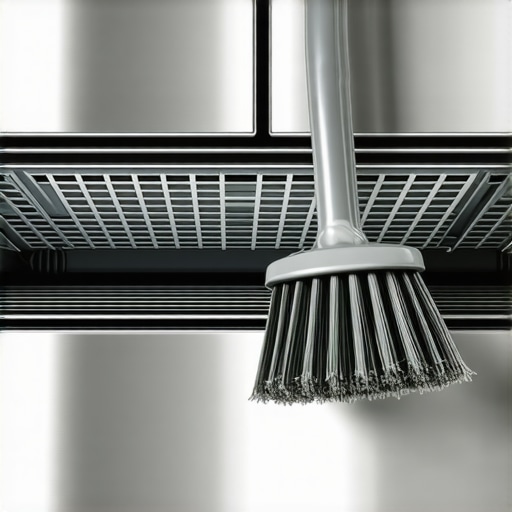
How do I maintain my refrigerator’s cooling power over several years?
To keep your appliance at peak performance, you need a two-pronged approach: physical cleaning and digital maintenance. Physically, you must inspect the gaskets—the rubber seals around the doors. If they are sticky, dirty, or cracked, cold air escapes, and you are essentially paying to cool your kitchen floor. I use a simple ‘dollar bill test’—close the door on a dollar bill; if it pulls out easily with no resistance, your seal is failing and needs a deep clean or replacement. Digitally, you need to stay on top of the ‘brain’ of the unit. We often ignore the touchscreen or the app notifications, but you really need to know how to update the firmware on your smart kitchen appliances. These updates often include revised cooling algorithms from the manufacturer that optimize energy use and reduce wear on the inverter compressor.
Don’t Ignore Those Pesky Firmware Notifications
Looking ahead to the future of home appliances trends to watch in 2025, we are moving toward self-diagnosing systems that will alert your phone the second a coil gets too hot or a sensor drifts out of calibration. But until your fridge can vacuum its own underside, you remain the primary caretaker. Maintaining the physical integrity of the machine ensures that the smart tech has a solid foundation to work on. **Action Step:** Go into your kitchen right now, pop off that bottom plastic grille, and shine a flashlight under there. If you see a wall of gray fuzz, it is time to grab that brush and give your fridge the breath of fresh air it deserves.
The Brutal Truth I Learned About the Built-In Dream
Living with a counter-depth refrigerator for three years has taught me that volume is a vanity metric. I spent the first six months mourning the loss of my deep shelves, only to realize I was wasting less food because I could finally see everything. The hardest shift wasn’t the physical space—it was the mental shift from ‘storing’ to ‘staging.’ If you treat your fridge like a warehouse, you’ll lose; if you treat it like a well-stocked pantry where every jar has a front-row seat, you’ll win. I also learned that why modern refrigerators don’t last as long as your grandma’s often comes down to how much we overtax these smaller systems by crowding them. Remember: visibility is your best friend, and an overstuffed shelf is just a graveyard for expensive produce.
My Secret Weapons for a Better Cooling Experience
You don’t need a degree in engineering to keep things running, but you do need the right toolkit. First, stop guessing about your settings and learn how to calibrate your refrigerator thermometer without calling a pro to ensure your delicate greens stay crisp. Second, I cannot stress enough how much a simple 24-inch coil brush changed my energy bills; it is the core of how to clean the hidden debris under your refrigerator grille. Finally, if you want to stay ahead of the curve, keep an eye on the best apps for tracking food expiration in your smart fridge so your organizational system stays digital and streamlined. These tools turn a shallow box into a high-tech command center for your kitchen.
Reclaim Your Kitchen Without Compromising on Performance
Choosing a sleek profile shouldn’t feel like a punishment every time you come home with groceries. By mastering the ‘file, don’t pile’ method and keeping your coils clear of dust, you turn a potential headache into a high-performing design feature. Your counter-depth refrigerator is more than just a pretty face in your kitchen; it is a precision tool that rewards a little bit of discipline with fresher food and a lower utility bill. Don’t let the shallow footprint intimidate you—embrace the clarity it brings to your cooking routine and enjoy the extra floor space you’ve regained. Have you found a specific container or bin that finally solved your ‘big items’ problem in a shallow fridge? Share your discovery in the comments below!