
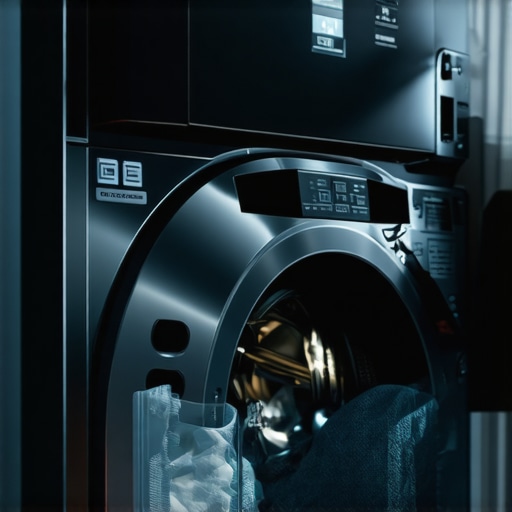
I remember the first time I accidentally ruined a delicate blouse in my washing machine. It was heartbreaking—jerking, twisting, and a faint tear that I couldn’t repair. That moment made me realize: my washer was doing more than just cleaning; it was risking my most cherished clothes. Have you ever experienced a similar frustration? If so, you’re not alone.
How Modern Washing Machines Shield Your Finest Fabrics
In recent years, washing machines have evolved far beyond their simple agitator counterparts. Thanks to cutting-edge technology, many now come equipped with specialized features designed to care for your clothes, especially the delicate items that need extra attention. These hidden innovations might seem subtle or even invisible, but they play a crucial role in extending the life of your wardrobe.
Did you know that improper washing can cause delicate fabrics to stretch, fade, or develop pilling? According to a study by the Textile Conservation Lab, using the wrong wash cycle can reduce fabric lifespan by up to 30%. That’s a significant impact, and it highlights why understanding the tech inside your machine is worth a little investment of time.
If you’re like me early on, I made a mistake by ignoring the gentle cycle options, assuming they were just extra features with no real benefit. But trusting that I could throw everything into the normal cycle turned out to be costly. It’s a common mistake—and one I want to help you avoid.
What worries you most about protecting your delicates? Is it the fear of damage, color bleeding, or something else? Let me know, and we’ll explore the practical solutions that modern washers offer to keep your clothes in pristine condition.
So, now that I’ve shared my own wake-up call, let’s dive into how these hidden features actually work and how you can make the most of them. Ready to see your washer in a new light? Keep reading, and I’ll guide you through the ins and outs of smart washing technology that truly protects your delicate garments.
Activate the Gentle Cycle Properly
During my second laundry attempt, I mistakenly loaded my silk blouse into the normal wash cycle, ignoring the gentle setting. The fabric came out stretched and faded. To prevent this, always select the ‘Delicate’ or ‘Gentle’ cycle, which uses lower agitation and slower spin speeds—think of it as a gentle handshake instead of a firm grip. Familiarize yourself with your washer’s dial or touchscreen to see these options clearly.
Use Specific Soap and Detergent
Using harsh detergents or regular laundry soap on delicate fabrics can cause damage. Opt for a mild, liquid detergent designed for silk, wool, or fragile linens. When I first tried with the wrong detergent, I noticed my clothes becoming brittle and losing color faster. Reading the detergent label ensures you’re choosing products suitable for delicate textiles. For more tips, visit this guide on appliance maintenance.
Adjust Water Temperature and Spin Speed
Water temperature greatly affects fabric care. Cold water is generally best for delicate clothes—it preserves color and reduces shrinking. My initial mistake was washing a wool sweater in hot water, which shrank it significantly. Set your machine to cold or lukewarm and reduce the spin cycle to the lowest setting. If your washer has an ‘Eco’ or ‘Low’ setting, use it for extra gentle cleaning. Unsure how to calibrate your appliance? Check out this calibration guide.
Protect Fabrics with Wraps and Mesh Bags
For especially fragile items like lace or sequined clothing, I started using mesh laundry bags. These act as protective wraps, preventing snags and tears during agitation. Think of them as delicate armor—much better than tossing everything loose into the drum. Place each delicate item carefully inside, zip up the bag, and then load into the machine. This simple step saves you from costly repairs and keeps your clothes looking new.
Mind the Load Size and Distribution
Overloading the washer can cause excessive tumbling, which risks damage to delicate fabrics. I used to cram my machine full, thinking it would clean better, but it led to tears and uneven washing. Instead, load clothes loosely, ensuring they can move freely. Distribute the weight evenly to balance the drum, which reduces stress on internal parts and preserves fabric integrity. If you notice your washer isn’t spinning evenly, review these balancing tips.
Maintain Your Washer for Optimal Care
Accumulated residue and mold can impair washing performance, risking damage to your clothes. Regularly clean filters, seals, and disinfect the drum—much like maintaining a car engine. A quick cleaning cycle or using a descaling product can make a noticeable difference. Learn more about cleaning your appliances at this cleaning hack. Proper maintenance ensures your washer stays gentle on your garments and extends its lifespan.
When it comes to home appliances like refrigerators, washing machines, and dishwashers, many homeowners believe that their devices are foolproof if they follow basic usage instructions. However, the truth is often more nuanced. Common myths, such as assuming that all smart appliances automatically optimize energy use or that setting higher temperatures always result in cleaner dishes, can lead users astray. In reality, these appliances have complex features that require understanding their inner workings to maximize efficiency and longevity. For example, many don’t realize that frequent neglect of the internal drain trap in washing machines can cause odors and decreased performance, despite modern models indicating minimal maintenance needs. Have you ever fallen into this trap? Let me know in the comments.
Is Your Smart Fridge Truly Smart or Just a Gadget?Invest in the Right Tools for Long-Term Appliance Care
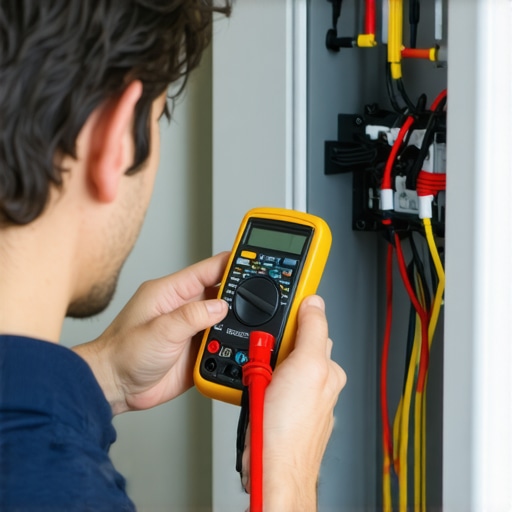
Regular maintenance begins with equipping yourself with effective tools that make troubleshooting and cleaning straightforward. Personally, I rely on a high-quality digital multimeter to test electrical connections in my smart appliances. This device, priced around $20, quickly identifies faulty circuits or power issues, saving me hours of guesswork. Additionally, a soft-bristle brush and microfiber cloth are indispensable for cleaning filter screens and exterior surfaces without causing damage. For deeper cleaning, I use a dedicated coil brush to remove dust from condenser coils—an often overlooked step that can drastically improve efficiency.
Why a Multimeter Becomes Your Best Friend
Understanding the electrical health of your home appliances is crucial. When my refrigerator started acting up, I used a multimeter to check the compressor’s voltage, confirming whether the issue was electrical or mechanical. This precise diagnosis prevented unnecessary part replacements. If you haven’t tried this, investing in a multimeter can empower you to troubleshoot common problems effectively. Learn how to use one properly with tutorials on platforms like YouTube or by consulting your appliance manual.
Adopt Smart Software for Ongoing Monitoring
Beyond physical tools, software solutions have revolutionized appliance maintenance. Many modern refrigerators and washing machines come with companion apps that monitor usage patterns and alert you to potential issues before breakdowns occur. I personally use the manufacturer’s app to track my refrigerator’s temperature fluctuations and receive firmware update notifications. These updates often include bug fixes and performance improvements—ensuring your devices stay at peak efficiency. Keep in mind that regular software updates can prevent bugs like touchscreen freezing, which you can learn more about here.
Schedule Routine Deep Cleanings to Extend Appliance Life
Consistent cleaning of critical components like filters, seals, and coils is vital. I set a monthly reminder to run a descaling cycle on my dishwasher and clean the door gaskets to prevent mold buildup. For example, the simple coil cleaning hack I discovered here not only reduces energy consumption but also prolongs the lifespan of the compressor in your fridge. Regular maintenance like this reduces stress on internal parts, lowering repair costs and preventing unexpected failures.
Utilize Specialized Cleaning Products for Efficiency and Hygiene
Choosing the right cleaning products ensures your appliances perform optimally. I swear by enzymatic dishwasher cleaners, which break down organic residues lodged in spray arms and filters—improving washing performance and preventing odors. Likewise, descaling solutions specifically formulated for coffee machines or dishwashers can eliminate mineral buildup that hampers functionality. Using the proper cleaning agents tailored to each appliance type is a small investment that pays off in reliability and energy savings.
Prediction: The Future of Appliance Maintenance Looks Smart
Advancements in IoT and AI suggest that smart diagnostics will become the norm, providing real-time alerts and predictive maintenance directly to your smartphone. Imagine receiving notifications that your condenser coils are clogged or that your water filter needs replacement, all automatically detected by sensors. This proactive approach minimizes downtime and extends the life of your appliances significantly.
How do I maintain my appliances over time?
Establishing a routine for cleaning filters, checking electrical connections with a multimeter, and updating software regularly forms the backbone of long-term appliance health. Incorporating these practices ensures your devices operate efficiently and reduces costly repairs. Ready to take your appliance care to the next level? Start by testing your washer’s wiring with a multimeter today—it’s a simple step that can prevent major issues down the road.
Over the years, I’ve realized that the real power of modern appliances lies not just in their technology but in our understanding of how to care for them properly. One of the most eye-opening lessons I learned was how simple habits—like regular filter cleaning or software updates—can extend their lifespan and improve performance. These insights aren’t always obvious at first glance, but embracing them can transform your home maintenance routine from reactive to proactive.
What Surprised Me About Appliance Longevity
- Connectivity Isn’t Enough: Relying solely on smart features without regular manual care can lead to overlooked issues. For example, software alerts won’t replace routine coil cleaning in your refrigerator, which I learned the hard way.
- Small Steps Make a Big Difference: Incorporating quick checks with a multimeter or scheduling deep cleanings monthly efficiently prevents costly repairs. These habits become second nature once you understand their impact.
- The Myths That Could Damage Your Appliances: Believing that eco modes or low-temperature settings always save energy might seem helpful but can sometimes cause additional strain. It’s about knowing when and how to use these features optimally.
- Maintaining Balance Between Tech and Hands-On Care: Modern appliances are designed to communicate, but they still need our manual intervention—like clearing vents or inspecting seals—to operate smoothly over time.
Tools and Resources I Trust for Lifelong Appliance Health
- Great Guides and Blogs: The appliance experts at Smart Appliance Review offer straightforward advice that has helped me troubleshoot and maintain my devices effectively.
- Quality Diagnostic Tools: A reliable digital multimeter, which I purchased for around $20, has been invaluable for checking electrical connections and preventing random outages or damages.
- Official Manufacturer Apps: Regular updates and monitoring via apps, especially for my smart refrigerator, keep me informed about potential issues before they escalate.
- Helpful Maintenance Products: Using specialized coil brushes or enzymatic cleaning solutions, recommended by experts, ensures thorough cleaning without damaging sensitive parts.
Your Next Step Could Be Simpler Than You Think
Embracing these little-known practices and trusted tools can redefine your relationship with home appliances, turning maintenance into a manageable and even enjoyable process. Remember, the investment in knowledge and small habits today paves the way for longer-lasting, more efficient appliances tomorrow. Are you ready to start incorporating these insights into your routine and see the difference it makes? Share your experiences or questions below—your journey to smarter home care begins now!
Comments
One response to “The Hidden Tech Inside Modern Washers That Protects Your Delicates”
This post really opened my eyes to how much modern washers have evolved in caring for delicate fabrics. I used to think that just selecting the gentle cycle was enough, but I didn’t realize how crucial load size, detergent type, and even water temperature are in preventing damage. Using mesh laundry bags has been a game-changer for my lace and silk items; they truly prevent tears and snags.
One aspect I’m curious about is the role of eco modes. I’ve been using them thinking I’m saving energy, but after reading this, I wonder if they inadvertently cause more wear on delicate pieces due to longer wash times or lower agitation. Have others here noticed a difference in fabric longevity when using eco settings? Would love to hear tips on balancing energy efficiency with fabric care, as I’m aiming to extend the life of my favorite clothes without sacrificing sustainability.