
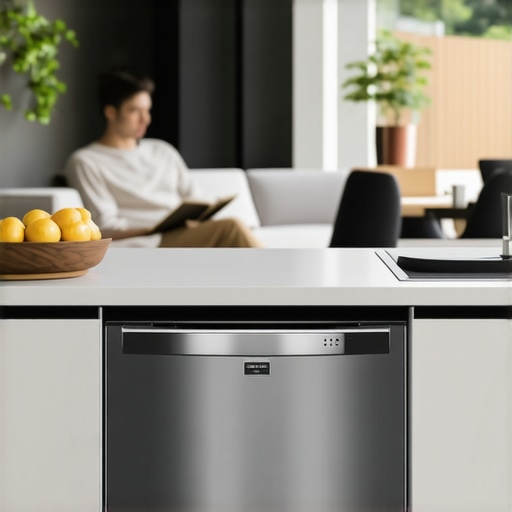
I remember the night clearly. The popcorn was perfectly buttered, the lights were dimmed, and the movie was just reaching its climax. Then, it happened. My dishwasher kicked into its high-pressure spray cycle. In my open-concept living area, it sounded like a gravel truck was dumping its load right behind my sofa. I had to crank the TV volume to level 40 just to hear the dialogue, which, let’s be honest, isn’t exactly the relaxing evening I had planned. That’s the reality of modern living; when your kitchen and living room are essentially the same space, your appliances become the unwanted background singers of your life.
Your Living Room Peace Depends on These Decibel Levels
I’ve learned the hard way that a beautiful kitchen doesn’t mean a functional home if you can’t hear yourself think. Years ago, I made the rookie mistake of buying a model based solely on how the handle matched my refrigerator’s sleek 2025 features. I ignored the dB rating on the yellow tag entirely. Big mistake. That machine was so loud it actually vibrated the floorboards near my recliner. If you are looking to avoid my fate, you need to understand the smart appliances revolution and how to choose the best dishwasher for sound suppression. Today, we are cutting through the noise—literally—to find the machines that truly disappear into the background.
Are Those Ultra-Quiet Ratings Actually Worth the Extra Cash?
You might be looking at the price tags and wondering if a few decibels really justify the jump in cost. I used to be a skeptic too. But here is a surprising fact: According to the sound certification experts at Quiet Mark, an increase of just 3dB actually represents a doubling of sound energy. That means a 50dB dishwasher is significantly more intrusive than a 40dB model when you’re trying to read a book ten feet away. It’s not just about the motor; it’s about the insulation, the built-in design for a modern kitchen, and even how the water drains. We’re also seeing some incredible future home appliance trends for 2025 that focus specifically on noise-canceling technology. Have you ever found yourself waiting until 11:00 PM to start the dishes just so you could enjoy your evening in peace? I’d love to hear your horror stories. Let’s look at what really makes a dishwasher whisper.
Choose Stainless Steel for a Denser Sound Barrier
I have found that the single biggest factor in noise reduction is the tub material. Think of it like this: a plastic tub is like a thin windbreaker, while a stainless steel tub is like a heavy wool coat. The metal is denser and absorbs the vibrations of spraying water much better than thin plastic ever could. When shopping for the-best-built-in-dishwashers-for-a-modern-and-seamless-kitchen, prioritize that steel interior. It does more than just resist stains and high heat; it acts as a primary sound baffle that keeps the ‘whoosh’ of the water inside the machine rather than echoing through your hallway.
Ditch the Grinder for a Manual Filter
Most people do not realize that the loudest part of an old dishwasher is often a miniature garbage disposal located at the bottom. These macerators grind up food chunks, but they scream like a blender while doing it. Modern, quiet machines have moved toward manual filters. Yes, you have to reach in and rinse the mesh every few weeks, but the trade-off is a near-silent operation. It is one of the key reasons the truth about the eco mode on your new dishwasher often involves longer cycle times; lower pressure and better filtration take more time but produce significantly less racket. 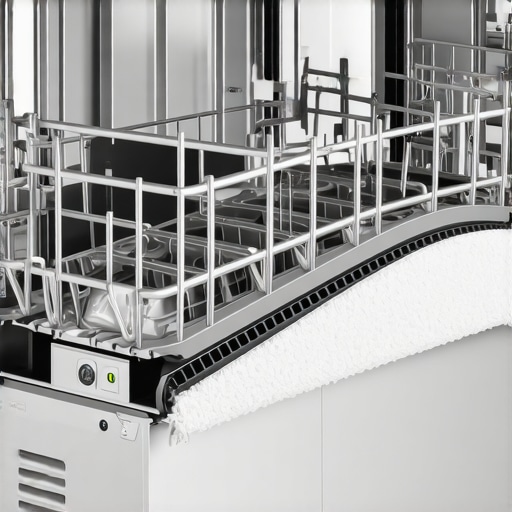
Stop the Vibration Before it Starts
Even the most expensive, whisper-quiet model will sound like a freight train if it is not installed correctly. I learned this the hard way last summer when helping a friend install a high-end unit. We were so eager to see it run that we skipped the leveling process. Ten minutes into the cycle, the machine started ‘walking’ and vibrating against the wooden cabinetry, creating a low-frequency hum that shook the floorboards. We had to pull the unit back out and adjust the leveling legs. If you are hearing a rhythmic thumping, you likely have to how to fix a rattling dishwasher that sounds like it has loose rocks. A perfectly level machine ensures that the internal wash arms do not clip the racks and that the motor stays balanced on its dampening mounts.
Master the Art of the Quiet Load
You might be surprised to learn that how you stack your plates directly impacts the decibel level. If a thin cookie sheet is vibrating against a ceramic bowl, it acts like a tuning fork. I always recommend leaving a bit of breathing room between items to prevent ‘clinking’ during the high-pressure spray. Learning the best way to load a dishwasher for maximum water flow also ensures that water hits the dishes directly rather than bouncing off the tub walls, which is a subtle but effective way to shave off a few extra decibels.
Schedule Your Chores for Your Sleep Cycle
If you still find the sound of water movement distracting, use technology to move the noise to a time when it does not matter. Most modern units come with a delay-start feature or a dedicated smartphone app. I personally set mine to run at 2:00 AM. This doesn’t just keep the evening quiet; it can also save you money if your utility provider offers lower off-peak rates. This is a strategy I often suggest for laundry too, especially when explaining how to use your smart washers delayed start for cheaper energy rates. By the time you wake up for your morning coffee, the dishes are clean, dry, and most importantly, the cycle happened while you were miles away in dreamland.But here is where things get technical, and honestly, a bit controversial. Everyone will tell you that silence is the gold standard of luxury, but I’ve noticed a disturbing trend: silence can sometimes be a mask for weak mechanical action. The industry term is ‘mechanical wash action,’ and in many ultra-quiet units, this is dampened to keep decibels low. If the motor isn’t pushing water with enough force to actually scrub the surface of your plates, you aren’t getting a clean machine; you’re getting a quiet soaking tub. If you’re a heavy cook who deals with scorched-on proteins, a 38dB machine might actually be your worst enemy.
The Eco Mode Trap Nobody Tells You About
We’ve been conditioned to believe that the ‘Eco’ button is a win-win. In reality, the truth about the eco mode on your new dishwasher is that it relies on significantly lower water temperatures. While this saves energy, it often fails to reach the 120°F threshold required for modern detergent enzymes to actually work. I’ve seen countless drain pumps fail early because fats and greases, which should have been liquified and flushed away, ended up solidifying into a thick ‘sludge’ inside the internal hoses. It’s a classic case of saving pennies on electricity while spending hundreds on a plumber.
Stop Using Too Much Detergent Right Now
This is the biggest ‘oops’ factor I see with new owners. We grew up seeing mountains of suds in TV commercials, but in a high-efficiency environment, suds are the enemy. If you see bubbles in your washer, you have used way too much soap. Excess detergent creates a ‘cushion’ that actually prevents clothes from rubbing against each other, which is how they get clean. This is exactly why your energy-efficient washer leaves your clothes feeling crunchy or leaves those annoying streaks on your favorite dark jeans. Mastering the secret to using less detergent in your high efficiency washer isn’t just about saving money; it’s about protecting the life of your machine’s bearings and ensuring your clothes actually get scrubbed.
Why Does My Silent Machine Leave My Plates Feeling Gritty?
Have you ever pulled out a ‘clean’ glass only to find it covered in tiny, sand-like particles? This usually happens because the machine’s sensors are being fooled. Even innovative dishwashers with AI technology can struggle if the turbidity sensors are coated in a fine layer of biofilm. According to technical standards from the Association of Home Appliance Manufacturers (AHAM), proper cleaning requires a precise balance of thermal, chemical, and mechanical energy. When you optimize for ‘silent’ or ‘eco,’ you are slashing the thermal and mechanical components. This lack of heat and spray pressure is often why your dishwasher is leaving a gritty white film on your plates. 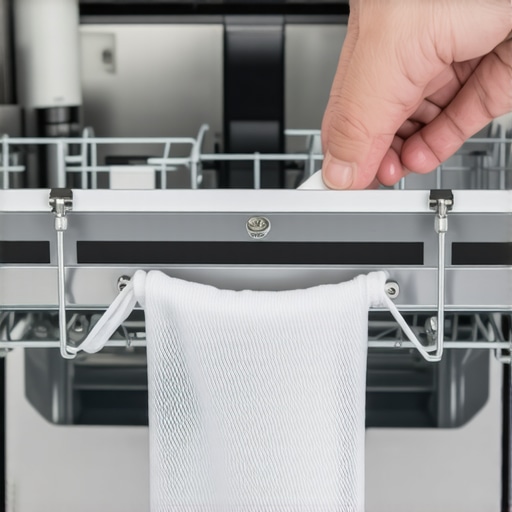
Don’t Wait for the Error Code to Act
Most people treat their appliances like ‘set it and forget it’ robots, but they are more like cars that need oil changes. If your machine suddenly pauses or struggles, you might be looking at how to fix a washing machine that stops mid cycle without an error code. Often, the culprit is a simple build-up of gunk in a sensor you didn’t even know existed. I recommend running a ‘heavy duty’ or ‘sanitize’ cycle with a specialized cleaner once a month—it’s the only way to melt away the residue that low-temp cycles leave behind. Have you ever fallen into this trap of prioritizing ‘eco’ settings over actual performance and ended up with a mess? Let me know in the comments.I keep a $20 digital multimeter in my kitchen junk drawer, and honestly, it’s saved me more money than any extended warranty ever could. When people talk about keeping appliances alive, they usually suggest wiping down the exterior with a microfiber cloth, but the real health of your machine is internal. If you’ve ever dealt with a machine that powers on but doesn’t get hot, you need to learn how to tell if your dishwasher heating element is actually broken rather than just calling a technician. I personally test the ohms on my heating coils once a year; it takes five minutes and prevents that mid-cycle panic when your dishes come out cold and wet.
Stop Ignoring the Software Inside Your Dishwasher
We have reached a point where your refrigerator is basically a giant tablet that keeps your milk cold. This means ‘maintenance’ now includes digital hygiene. I’ve seen perfectly good units get tossed because of ‘ghosting’ sensors or laggy interfaces. You must treat these machines like your smartphone. If you don’t stay on top of firmware, you’ll end up needing to know how to update your smart fridge software without crashing the system. Manufacturers like LG and Samsung frequently push ‘over-the-air’ (OTA) updates that recalibrate how much water is used based on sensor feedback. If you skip these, you’re running on outdated logic that could be wearing out your motor faster than necessary.
How do I maintain my high-tech kitchen over time?
The secret is a mix of physical inspection and signal management. Beyond the software, I perform a ‘dollar bill test’ on my fridge every six months. If I can slide a dollar through the door seal, I’m losing money on electricity. This is a critical step in how to check if your refrigerator door seal is actually airtight. Additionally, I’ve found that many ‘malfunctions’ are actually just wireless interference. According to technical reports from the International Electrotechnical Commission (IEC), the 2.4GHz band used by many older smart appliances is incredibly crowded. If your washer keeps dropping offline, you should look into how to keep your smart home hub from interfering with appliance signals. I shifted my hub to a different channel, and suddenly my ‘broken’ dishwasher app started working perfectly again. 
AI Will Soon Fix Your Fridge Before You Know It Is Broken
Looking ahead to the future of home appliances trends to watch in 2025, we are moving toward ‘proactive diagnostics.’ We are already seeing innovative dishwashers with AI technology that can detect the exact moment a drain pump begins to draw too much amperage—a sure sign of an impending clog. Within the next two years, I predict your fridge won’t just tell you the milk is low; it will alert you that the condenser fan is spinning 10% slower than it should be, allowing you to vacuum the dust before the motor burns out. This shift from ‘break-fix’ to ‘predictive’ maintenance will be the hallmark of the ultimate guide to smart home appliances for a modern living. For now, take control of the basics: I challenge you this weekend to pull out your fridge and vacuum the coils. It sounds tedious, but it is the single most effective way to extend the life of your compressor by years.
The Hardest Lesson I Learned About Living with Smart Machines
After years of trial and error, I have realized that the most expensive appliance isn’t always the best for your specific lifestyle. Here are the lightbulb moments that changed how I manage my home:
- Noise is an early warning: If your silent machine starts making even a tiny new hum, do not ignore it. Catching a loose motor mount early prevents a total mechanical breakdown later.
- Software is as vital as hardware: Keeping your device connected to the network isn’t just about convenience; it is about receiving the latest efficiency patches that protect your motor.
- Balance is everything: Whether it is loading the dishwasher or leveling the fridge, physical balance dictates the lifespan of the internal bearings.
Where I Go for Reliable Appliance Advice
I do not just rely on marketing brochures. When I am stuck, I turn to these trusted sources to cut through the noise:
- Industry Standards: I check technical certifications to see if an ‘Eco’ claim actually holds water before I commit to a purchase.
- Professional Insight: I often revisit choosing the right refrigerator tips from industry experts to see how compressor technology is evolving for better durability.
- Utility Optimization: I have saved a significant amount on monthly costs by learning how to save money on your electric bill by changing three fridge settings.
- Laundry Solutions: To keep my clothes fresh without the racket of an old agitator, I look at how smart washing machines can simplify laundry day through automation.
#IMAGE_PLACEHOLDER_E#
Start Your Silent Kitchen Revolution Today
Transforming your home into a sanctuary does not happen overnight, but it starts with a single smart choice. Whether you are upgrading to whisper-quiet cycles or just learning to load your current machine more effectively, you are taking back control of your environment. Embracing the ultimate guide to smart home appliances for a modern living isn’t just about buying gadgets; it is about finding that perfect balance of performance and peace. You deserve a home that works for you, not against you. Have you ever had a smart appliance save the day, or did it just add more noise to your life? Let me know in the comments below!