
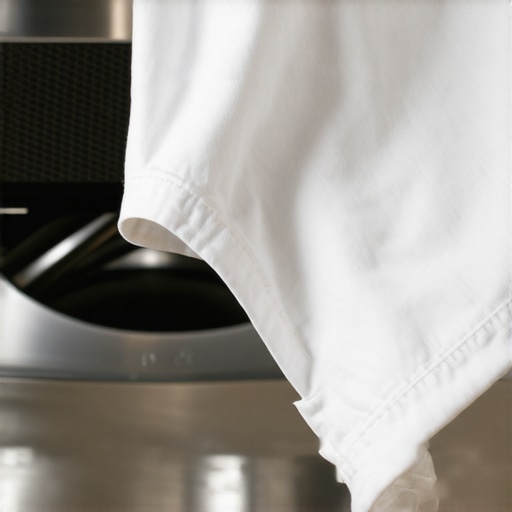
I was standing in my laundry room, staring at a brand-new cotton tee that now looked like it had been through a target practice session. Three tiny, perfectly round holes. [image] I felt that familiar pit of frustration in my stomach. I’d spent good money on these clothes, and my machine was eating them for lunch. It’s a silent, expensive heartbreak that many of us just “live with” until our favorite outfits are ruined.
Stop the Shredding Before Your Best Shirts Disappear
When I first noticed the damage, I did what everyone does: I checked for moths. I bought cedar blocks and lavender sachets, but the holes kept appearing. It wasn’t until I ran a pair of old pantyhose around the inside of the drum—a trick I learned the hard way after ruining a silk blouse—that I felt the snag. A tiny, sharp burr on the edge of a drainage hole was the culprit. We often assume our appliances are perfect out of the box, but even the most reliable washing machines for large families can develop these mechanical “teeth” over time. If your machine is older, you might also be dealing with a drum that has shifted, which is why learning how to stop your washing machine from walking during the spin cycle is so vital; that constant vibration can actually loosen internal components that eventually snag your laundry.
Is My Washing Machine Actually Out to Get My Wardrobe?
You might think I’m being dramatic, or perhaps you suspect your detergent is just too strong. I used to believe that too. In fact, one of my biggest early mistakes was thinking that a heavy-duty cycle was necessary for every load of jeans or towels. I didn’t realize there is one button on your washing machine that actually ruins your delicates by spinning them so fast they force the fabric through those tiny drum holes under extreme centrifugal pressure. Today, I’m going to help you identify the specific mechanical failures and user errors that lead to these “mystery holes” so you can save your wardrobe and your sanity. According to repair experts at RepairClinic, something as simple as a bra wire stuck in the drum or a chipped agitator can cause hundreds of dollars in clothing damage before you even realize there’s a problem. Even when using washing machines that save water, the reduced water levels can sometimes mean more friction between the clothes and the drum if the load is too large. Have you ever pulled a favorite item out of the wash only to find a hole you’re 100% sure wasn’t there before? Let me know in the comments, because you are definitely not alone. If you’re also dealing with a machine that’s acting up in other ways, like diagnosing a washing machine that won’t spin at full speed, it’s all part of the same maintenance puzzle we’re going to solve together.
Hunt Down the Invisible Burrs in Your Drum
The first thing you have to do is turn into a literal detective. Those tiny holes are caused by physical trauma to the fibers, and your machine is often the culprit hiding in plain sight. Think of your washing machine drum like a cheese grater; if there is a single sharp point, your clothes are the cheese being sliced.
The Pantyhose Trick Never Fails
Take a pair of old nylons or pantyhose and put your hand inside them like a glove. Slowly and carefully run your hand over every square inch of the drum’s interior. The nylon is incredibly sensitive and will snag on even the smallest metal burr or chipped plastic that your bare skin would never feel. I remember doing this after a batch of my husband’s work shirts came out looking like they had been in a cat fight. I found a tiny, needle-thin piece of metal stuck in one of the drainage holes. It was a leftover from the manufacturing process that finally worked its way loose. 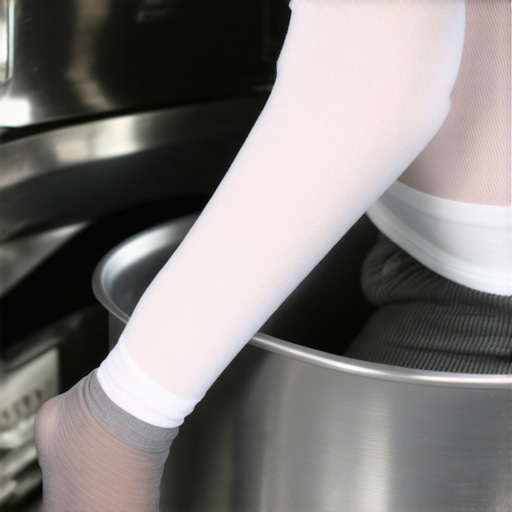 Once you find the snag, you can often smooth it out with a bit of fine-grit sandpaper or a metal file. If the agitator is the problem, check for cracks in the plastic. A chipped agitator is essentially a serrated knife for your cotton knits.
Ditch the Overload to Reduce Fabric Tension
We all want to finish laundry faster, but cramming the machine to the brim is a recipe for disaster. In a packed drum, clothes cannot move freely. Instead, they are forced against the drum walls with immense pressure during the spin cycle. This is especially true in High-Efficiency (HE) models. If you notice why your high-efficiency washer leaves white streaks on dark clothes, it is often because the clothes are so tightly packed that detergent and water cannot circulate. That same lack of space causes fabric to stretch and catch on the drum’s drainage holes under the force of centrifugal pressure.
Adjust Your Settings for the Right Load
Do not just hit the ‘Normal’ button and walk away. Using the best energy saving settings for your smart washing machine often involves lower spin speeds, which is much gentler on your clothes. High-speed spins are great for drying but terrible for delicate fibers. If your machine is constantly struggling, you might also need to learn how to clean the debris filter on your front load washer effectively to ensure that heavy items are not causing drainage delays that lead to longer, more abrasive cycles. Balancing the load is key; otherwise, you might find yourself searching for how to fix a washing machine that is stuck on the sensing cycle because the machine cannot figure out how to distribute the weight.
Shield Your Clothes from Friendly Fire
Sometimes the culprit is not the machine—it is the other items in the load. Zippers are the primary offenders. An unzipped hoodie is basically a chainsaw in a room full of silk. Always zip up every garment and turn them inside out. This protects the outer face of your clothes from the mechanical action of the drum and other hardware. I once ruined a brand-new lace camisole because I threw it in with a pair of open-zippered cargo shorts. The lesson was painful and expensive.
Watch Out for Bra Wires and Loose Items
If you hear a weird noise, do not ignore it. Learning how to fix a rattling dishwasher that sounds like it has loose rocks is a similar skill to diagnosing your washer; usually, it is a stray object causing havoc. In a washer, a bra wire that has escaped its casing can slip through a drum hole and stay there, snagging every single item that passes by. Keep your laundry balanced and keep your delicates in mesh bags to prevent them from being forced through the drum holes during high-speed extraction.
Don’t Fall for the ‘More Soap’ Delusion
Now, let’s talk about the cleanliness trap. Most people think that more suds equals more clean. In my experience, that is the fastest way to ruin both your clothes and your machine’s internal sensors. This “more is better” mentality is exactly how you end up with a machine that needs repair within three years.
Why Does Your High-Efficiency Washer Feel Like It’s Failing You?
The contrarian truth is that modern HE machines are designed to work with barely any detergent. When you over-pour, you create a “suds lock” situation. The excess foam actually cushions the clothes, preventing the very friction needed to lift dirt. According to the experts at the American Cleaning Institute, using too much detergent leads to a buildup of biofilm and mold, which eventually makes your machine smell like a swamp and traps debris against the drum. I’ve seen people try to fix this by adding more vinegar, but here is the “oops” factor: while many swear by it, the truth about using white vinegar in your high-efficiency dishwasher and washer is that the acidity can slowly degrade rubber gaskets and hoses over time. If you have noticed why your energy efficient washer leaves your clothes feeling crunchy, it’s likely that detergent residue trapped in the fibers. You actually need the secret to using less detergent in your high-efficiency washer to get that soft feel back without damaging the machine’s internal plumbing.  We are heading into a new era with the future of home appliances-trends to watch in 2025, where AI will likely tell us exactly how much soap to use based on soil levels, but until then, trust your eyes, not the cap measurements. Have you ever fallen into this trap of thinking “more is better”? Let me know in the comments.
Use a Level to Save Your Bearings
The biggest mistake I see homeowners make—and I was guilty of this too—is assuming that if the machine isn’t literally ‘walking’ across the room, it’s fine. But even a slight tilt puts massive pressure on the internal bearings and the suspension springs. When those bearings start to wear out because of an uneven load, the drum begins to wobble, creating that sharp friction that shreds your favorite shirts. I now keep a 12-inch digital level in my laundry room toolkit specifically for this. It is just as important as learning how to level a refrigerator on an uneven kitchen floor; if the foundation isn’t perfectly flat, the mechanical parts have to work twice as hard to compensate. According to technical documentation from the Association of Home Appliance Manufacturers (AHAM), an unlevel washer can increase the wear on drive belts by up to 40%, leading to those sudden mid-cycle failures that leave your clothes soaking in dirty water.
How do I keep my appliances running like new over the years?
The secret to long-term success is a strict monthly purge. Once every 30 days, I run a dedicated ‘clean’ cycle with a high-quality descaling agent, not just vinegar. While you might want to save money on your electric bill by changing three fridge settings, skipping the maintenance cycle on your washer is a false economy. You also need to physically reach into the gasket and wipe away the sludge. If you don’t, that gunk eventually hardens and becomes an abrasive surface that acts like sandpaper on your delicate fabrics. 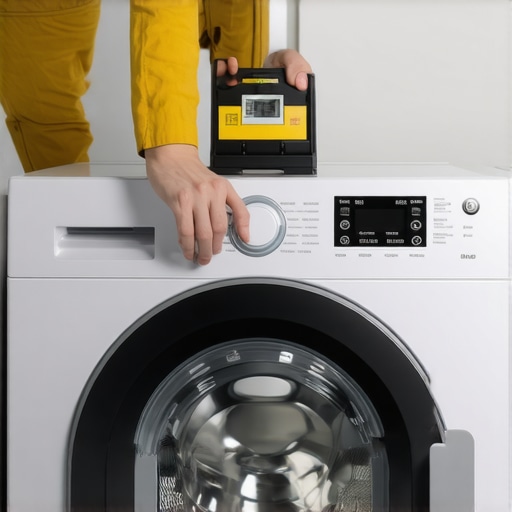
Get Ready for the AI Repairman
Looking ahead at the future of home appliances-trends to watch in 2025, the game is shifting toward predictive maintenance. We are moving away from manual ‘snag tests’ with pantyhose and toward machines equipped with internal vibration sensors that will alert your phone the moment a bearing starts to deviate by even a millimeter. In fact, many of us are already dealing with these systems; you just have to know how to update your smart fridge software without crashing the system to keep those diagnostic tools active. I predict that within two years, your washer will refuse to start if it detects a load that is too unbalanced, effectively forcing us to be better at laundry. For now, my best advice is to stop trusting the ‘auto’ settings blindly. Take five minutes this weekend to check your machine’s level and clear out the debris filter. You’ll be amazed at how much quieter—and gentler—your machine becomes.
Lessons I Learned the Hard Way After Ruining My Favorite Sweaters
Over the years, I’ve realized that laundry isn’t just a chore; it’s a form of fabric preservation. One of my biggest lightbulb moments was realizing that centrifugal force doesn’t just pull water out; it pulls the very fibers of your clothes through the drum holes if the spin speed is too high. I also stopped assuming that more water meant a cleaner wash. In reality, the secret to using less detergent in your high-efficiency washer is the ultimate key to preventing that sticky residue that eventually becomes abrasive to your clothing.
[image]
My Personal Arsenal for Wardrobe Longevity
I don’t leave my clothes’ safety to chance anymore. My toolkit includes high-quality mesh bags for everything with a zipper or a delicate strap. I also recommend checking out how smart washing machines can simplify laundry day by using sensors that detect weight imbalances before they turn your machine into a vibrating hazard. Beyond the machine itself, I’ve found that understanding the ultimate guide to smart home appliances for a modern living helps me set up a maintenance schedule that actually sticks, ensuring my drum stays as smooth as glass and free of harmful burrs.
Reclaiming the Peace in Your Laundry Routine
It is entirely possible to have a washing machine that serves your wardrobe rather than eating it. By taking these small, intentional steps—leveling the machine, checking for burrs, and being mindful of detergent—you’re extending the life of your clothes by years. Your favorite tee deserves a long life, and now you have the tools to ensure it gets one. Have you found a mystery hole in a favorite shirt lately? Let’s troubleshoot together in the comments below!