
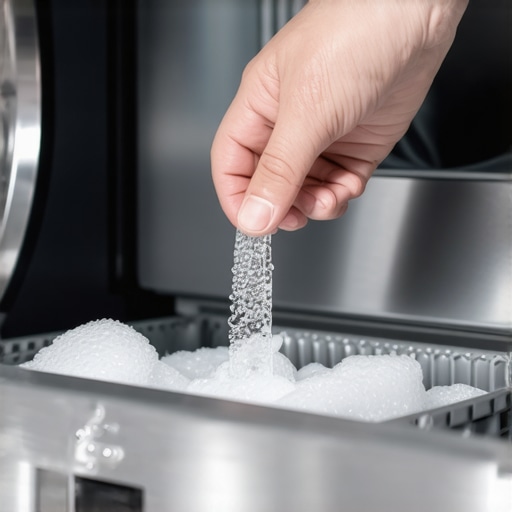
I remember the day I thought I’d actually broken my brand new high-efficiency washer. I did what I had always done: I filled the detergent cap to the very top line, tossed in a mountain of towels, and walked away. Twenty minutes later, my laundry room looked like a low-budget foam party, and the machine was screeching a cryptic error code at me. It was embarrassing, it was messy, and it was a massive wake-up call that I was stuck in my old-school laundry ways. We have been conditioned to believe that more suds equals more clean, but with modern machines, that logic is a recipe for a very expensive repair bill. Today, I am going to show you how to break the capful habit and why your machine actually performs better when you are a bit stingy with the soap. Trust me, your wallet and your clothes are going to thank you for this.
Why Your Modern Washer Is Actually Drowning in Soap
The biggest hurdle to a clean load of laundry isn’t the machine; it is our own stubborn habits. High-efficiency washers are precision-engineered tools, but we often treat them like the water-guzzling beasts of the 1990s. When you realize why your high-efficiency washer uses barely any water compared to older models, the math starts to change. There simply is not enough water in the drum to rinse away that massive puddle of blue liquid you just poured in. I made the mistake of thinking my clothes would be cleaner with more soap, but all I did was create a film of residue that attracted even more dirt. Modern units are designed to work with concentrated formulas and minimal volume. Have you ever opened your washer only to find your clean clothes feeling slightly slimy or stiff? If so, you are likely part of the over-sudsing club.
Is using less detergent actually going to get my gym clothes clean?
I get the skepticism. You are worried about the smell, right? I was too. I thought my teenager’s soccer jersey needed a double dose of heavy-duty detergent just to survive the ride home. I was wrong. Excess detergent actually traps dirt and bacteria against the fabric because the rinse cycle cannot flush the thick suds out of the tight weave. According to the American Cleaning Institute, HE washers use significantly less water—sometimes as little as 13 gallons per load compared to 40 in older machines—making it crucial to use the right amount of HE-specific soap. If you have ever wondered why your new washing machine smells like chemicals or mildew, it is often because of this soapy buildup rotting in the outer drum. Transitioning to a smarter way of washing isn’t just about saving pennies; it is about making sure how smart washing machines can simplify laundry day actually holds true for your household instead of becoming a maintenance nightmare.
Stop Measuring Your Laundry Detergent by Eye
I used to treat the detergent cap like a suggestion rather than a measurement tool. I would pour until the blue liquid reached the top, thinking I was being thorough. In reality, I was sabotaging my machine. For most high-efficiency loads, you only need about two tablespoons of detergent. Think of it like salt in a recipe; a little enhances the results, but too much ruins the whole dish. If you are using a concentrated 2X or 10X formula, that amount drops even further. I remember once trying to wash a heavy duvet and thinking it needed extra ‘power,’ so I dumped in a double capful. My machine literally stopped mid-wash, flashing a ‘SUD’ error that stayed on the screen for hours. I had to learn how to reset the error codes on your modern smart washer just to get my soaking wet bedding out of its soapy prison. 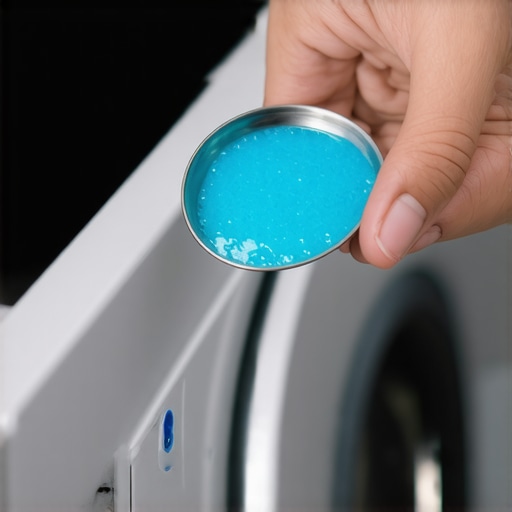
The Real Reason HE Detergent is Non-Negotiable
You might be tempted to finish off that old bottle of non-HE soap, but don’t do it. High-efficiency detergent is formulated to be low-sudsing. Standard detergents create a mountain of bubbles that act like a cushion, preventing the clothes from tumbling against each other. This friction is what actually gets the dirt out. Without it, your clothes just go for a bubbly swim and come out just as dirty as they went in. If you still have an older machine alongside a newer one, the truth about high-efficiency detergent in old washers is that it works fine in them, but the reverse is never true for your new HE unit. Using the wrong soap can lead to long-term sensor damage and internal clogs that are a nightmare to fix.
Flush Out the Sludge in Your Drum
Even if you start using the right amount of soap today, you likely have years of ‘laundry debt’—that sticky, grey sludge made of old soap and skin cells—clinging to the outer drum. To fix this, run a dedicated cleaning cycle with a specialized tablet or a cup of white vinegar on the hottest setting possible. This is especially vital for washing machines that save water expert advice for 2025 models, which rely on clean internal sensors to weigh your clothes and calculate the water level. While you are at it, grab a flashlight and look at the bottom of your machine. You need to know how to clean the debris filter on your front load washer effectively because that is where all the undissolved soap and lint go to die. I once pulled a handful of grey, waxy gunk out of my filter that smelled like a swamp, and the difference in my washer’s performance afterward was night and day. Modern machines are incredibly efficient, but they require you to be the ‘brain’ of the operation by providing the right fuel and keeping the pipes clear.
Let’s dig deeper into this mindset, because the ‘more is better’ fallacy is actually ruining your kitchen appliances too. This logic—that less is often more—doesn’t stop at the laundry room door. It extends to every corner of your home, especially the dishwasher and the refrigerator. Take your dishwasher, for example. I used to be a chronic pre-rinser. I would basically wash the dishes before putting them in the machine, thinking I was being helpful. This is actually a massive mistake and a classic beginner trap. Modern dishwashers are equipped with turbidity sensors—tiny electronic eyes that measure how ‘thick’ or dirty the water is during the first few minutes of a cycle. When you put in sparkling clean plates, the sensor tells the computer that the load is light, so it cuts the cycle short and uses less heat. The result? Your soap doesn’t fully activate, and your dishes actually come out less sanitary than if you’d left the spaghetti sauce on them. As noted in research by the University of Bonn, rinsing dishes by hand can waste thousands of gallons of water annually while significantly degrading the machine’s cleaning performance by tricking the soil sensors.
Your Dishwasher Needs Your Dirty Plates
It feels wrong, I know. You’ve been told for decades that ‘scraping isn’t enough.’ But in my experience, the cleaner the plate, the worse the end result. If you don’t provide enough soil for the enzymes in your detergent to latch onto, those enzymes end up attacking your glassware instead. This is often the dishwasher detergent mistake that is etching your favorite glassware, leading to that cloudy, permanent ‘scratched’ look that no amount of vinegar can fix. If you really want to be an expert user, you need to stop focusing on the plates and start focusing on the machine’s ‘brain.’ That brain is the hidden sensor in your dishwasher that needs a manual scrub every few months. If that little glass eye gets covered in a film of grease or hard water deposits, it will ‘see’ dirt even when there isn’t any, forcing your machine into marathon cycles that spike your energy bill. Have you ever fallen into this trap? Let me know in the comments.
Why does my expensive machine leave a gritty film on my glasses?
This is the ultimate nuance that separates the pros from the amateurs. Most people think a white film means they need more soap or a higher heat setting. In reality, it’s often the opposite or a sign of a chemical reaction with hard water. If you’re seeing grains that feel like sand, it’s usually undissolved detergent or food particles being recirculated because the spray arms are clogged or the water temperature isn’t hitting the sweet spot. I recommend learning why your dishwasher is leaving a gritty white film on your plates before you go out and buy a whole new set of dishes. It’s also worth checking why your energy-efficient washer takes so long to finish, as the logic is identical: longer cycles with lower heat are actually gentler on your belongings and more efficient than a ‘quick’ blast of boiling water.
The Fridge Shelf That Ruins Your Groceries
We often treat our refrigerators like a big, cold box where every inch is the same temperature. It isn’t. The temperature can vary by as much as 10 degrees between the top shelf and the crisper drawer depending on the model. If you’ve ever wondered why your refrigerator is freezing the eggs on the top shelf, it’s because that’s often the coldest point where the air vent is located. Placing delicate greens or eggs directly in the path of that air is a death sentence for your groceries. Understanding this internal airflow is the secret to making your refrigerator last twice as long because it prevents the compressor from overworking to compensate for blocked vents.  Always keep your high-moisture items in the designated drawers and keep the top shelf clear for items like leftovers or milk that need the most consistent, aggressive chill without the risk of freezing delicate cell structures.
To truly take control of your kitchen’s lifespan, you need to look behind the scenes. I am talking about the dust bunnies that are currently strangling your refrigerator’s compressor. I personally use a 24-inch flexible dryer vent brush—not just for the dryer, but to snake under the fridge. A vacuum nozzle simply cannot reach the back corners where heat actually dissipates. If you have pets, you absolutely must learn how to keep your refrigerator coils clean in a pet-friendly home. When those coils are caked in fur, the motor has to run twice as long to keep your milk cold, which is why most compressors fail years before they should. This isn’t just theory; according to research by the Appliance Standards Awareness Project (ASAP), poorly maintained condensers can increase energy consumption by up to 30 percent while drastically shortening the mechanical life of the unit.
Software Maintenance Is Your New Best Friend
Beyond the physical scrubbing, we live in an era where software maintenance is just as vital as a wrench. I have seen so many people get frustrated when their fridge screen lags or their washer stops connecting to the network, but they haven’t checked for a patch in months. You need to understand why your smart appliance app keeps asking for a firmware update. These updates often contain critical fixes for the sensors that regulate temperature or detect leaks before they ruin your floor. To make it easier, I recommend learning how to sync your smart kitchen appliances to one app so you can manage everything from one dashboard. It is much easier to stay on top of maintenance when your phone pings you that the dishwasher filter is 90 percent clogged. 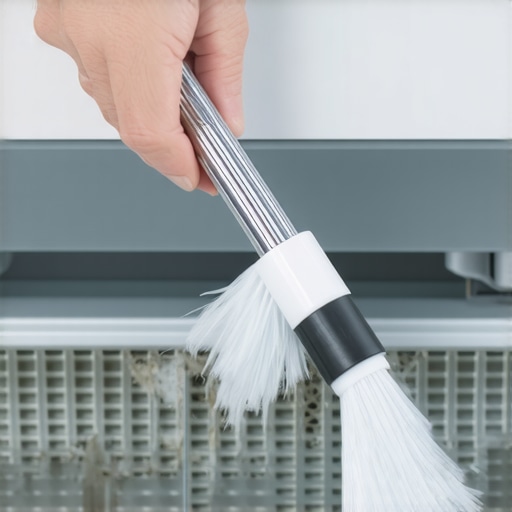
How do I maintain my smart appliances for the long haul?
The key is a consistent mix of digital hygiene and old-school manual labor. Every six months, I do a total reset. I check the door seals for cracks, clear the internal drains, and ensure the software is current. For those with complex smart setups, knowing how to set up a central kitchen hub for all your smart appliances can prevent the headache of disconnected devices. It is also about knowing the secret to making your refrigerator last twice as long, which usually involves keeping it at least three inches away from the wall to allow for proper airflow and heat exchange.
The Next Era of Predictive Home Care
Looking ahead, I see the future of home appliances trends to watch in 2025 shifting heavily toward self-diagnostic AI. We are moving toward a world where your washing machine will not just tell you it is broken; it will detect a slight change in the drum’s vibration frequency and order the replacement belt automatically before it even snaps. For now, we still have to be the proactive ones. I challenge you to go check your dishwasher filter right now. Seriously, stop reading, go to the kitchen, and give it a rinse. You will be shocked at what has been sitting there. If you want to level up your entire home, check out the top smart appliances for a seamless home experience in 2025 to see where technology is heading next.
Lessons Learned from a Decade of Breaking My Best Machines
Looking back, the biggest mistake I made wasn’t buying the wrong brand, but treating new technology with outdated logic. Here are the lightbulb moments that saved me from calling a repair technician every six months: First, your ears are better than any digital sensor. If your machine is banging, it’s not just an annoyance; it’s structural damage in the making. I finally learned how to level a washing machine so it stops banging on tile floors, and the resulting silence was a relief for both my ears and my flooring. Second, more soap almost always equals more problems. If your clothes aren’t coming out right, it is rarely because you didn’t use enough detergent; it is usually a drainage or temperature issue. Finally, the set-it-and-forget-it dream is a lie. Even the best top smart appliances for a seamless home experience in 2025 need a human touch. You cannot skip the physical cleaning of gaskets and filters and expect the machine to thrive indefinitely. #IMAGE_PLACEHOLDER_E#
The Kit That Keeps My Appliances Humming
I don’t believe in buying every gadget on the shelf, but there are a few things I won’t live without. A high-quality flexible coil brush is non-negotiable for anyone who wants to know the secret to making your refrigerator last twice as long. I also swear by citric-acid-based dishwasher cleaners; they are the only thing that handles hard water buildup without the harshness of bleach. Lastly, I’ve found that the ultimate guide to smart home appliances for a modern living setups work best when you have a dedicated tablet or hub to monitor everything, rather than juggling fifteen different smartphone apps for every single device.
Take Control of Your Home’s Lifespan Today
It is easy to feel overwhelmed by the complexity of modern machines, but remember: you are the CEO of your household. By making these small shifts in how you use soap, how you load your dishwasher, and how you maintain your fridge, you are not just saving money—you are reducing waste and creating a smoother, more peaceful daily routine. These home appliances are designed to serve you, not the other way around. Don’t be afraid to poke around the settings or get your hands a little dirty cleaning a filter; your future self will thank you for the lack of emergency repair bills. Have you ever found a surprising treasure or a swampy mess in your dishwasher filter? Let me know your experience in the comments below!