
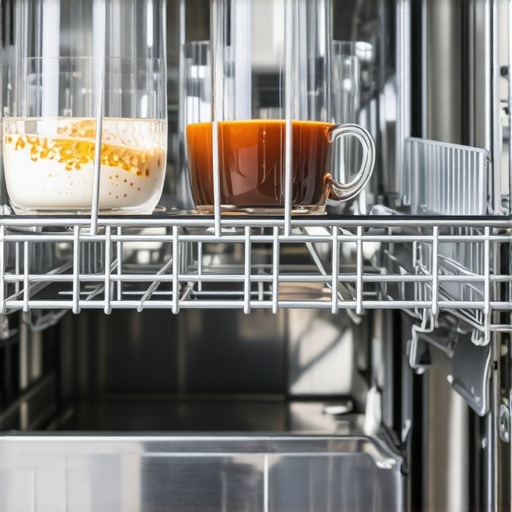
I stood there in my kitchen, squinting at what was supposed to be a clean wine glass, only to find a fine layer of dried kale and mysterious grit staring back at me. It is that sinking feeling when the machine finishes its long, humming cycle, and you realize you are about to spend another twenty minutes scrubbing by hand anyway. For months, I thought my machine was just reaching the end of its life, or maybe I was buying the wrong detergent. I even fell into the trap of thinking more soap was the answer, but as I eventually learned, why your dishwasher pod isnt dissolving completely is often a symptom of the same underlying chaos. Today, I want to pull back the curtain on why that top rack feels like a forgotten zone and how you can get those glasses sparkling again without calling a repairman.
That Frustrating Film on Your Favorite Mugs
The reality is that most of us treat our dishwashers like a magical portal where dirt disappears, but it is actually a very precise dance of water pressure and temperature. Early on, I made the classic mistake of thinking I could wedge a giant lasagna pan wherever it fit. I blocked the path of the middle spray arm for weeks, wondering why my coffee mugs looked like they had been washed in a puddle. If the water cannot reach the top, the soap just sits there, creating a sticky residue. According to experts at the Association of Home Appliance Manufacturers (AHAM), improper loading accounts for nearly 60% of performance complaints from homeowners. Even the most innovative dishwashers with AI technology cannot overcome a physical blockade of dinner plates.
Is a top rack fix actually worth the effort?
I get it—you are busy, and the idea of inspecting spray arm nozzles sounds about as fun as a tax audit. You might think it is easier to just live with the occasional re-wash. However, once you understand how the water flows, you realize that a five-minute adjustment can save you hours of frustration and gallons of wasted water over a month. We often look for complex solutions when the fix is as simple as the best way to load large serving platters to keep the waterways clear. If you have ever felt like your dishwasher was personally gaslighting you by cleaning the bottom plates perfectly while leaving the bowls upstairs filthy, you are not alone. Have you noticed a specific item, like a certain bowl or cup, that always seems to come out dirty?
The Hidden Blockages You Are Probably Ignoring
If your loading is perfect and the grit remains, the problem is likely mechanical but still DIY-friendly. I once went three months without realizing a tiny piece of a broken plastic toothpick had lodged itself inside one of the tiny holes in the spray arm. It acted like a dam, preventing the water from ever reaching the top corners of the rack. While you are checking the arms, it is also a great time to look at the health of your machine overall; for instance, knowing how to deep clean the gasket on your dishwasher can prevent messy puddles on your floor while you are busy fixing the cleaning cycle. Sometimes the issue is even deeper, like when your dishwasher still has standing water in the filter area, which recirculates dirty water back onto your clean glassware. Let’s look at exactly how to find these clogs and clear them out so your top rack finally does its job.
Start With the Spin to Save Your Glasses
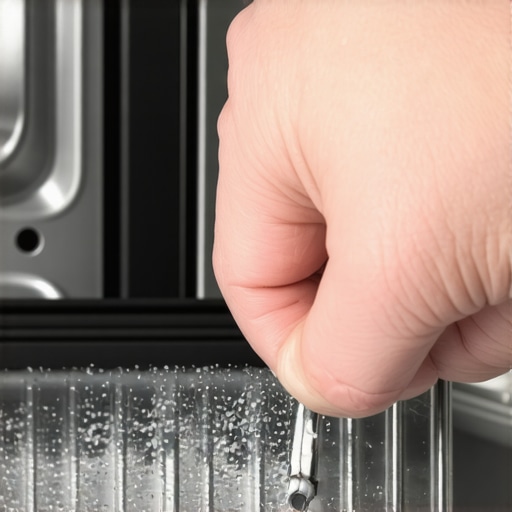
The middle spray arm is the heartbeat of your dishwasher’s top rack. Imagine trying to shower with a showerhead where half the holes are plugged with mineral deposits; you would never get the soap off. That is exactly what happens when hard water or stray food particles lodge themselves in the arm’s nozzles. I remember spending an entire Saturday morning with a flashlight and a straightened paperclip, meticulously poking at each tiny opening. I eventually fished out a single, swollen popcorn kernel that had been blocking the main jet for weeks. As soon as I cleared it, the familiar clinking sound of water hitting the glasses returned, and the kale residue vanished.
Poke Out the Gunk in the Spray Arm
To do this right, you usually need to unscrew the center nut or pop a clip to remove the arm entirely. Once it is out, shake it over the sink. If you hear something rattling inside, you have found your culprit. While the arm is off, check the manifold—the tube that feeds the water—for any cracks or gaps in the seal. If the connection is loose, the water pressure won’t be high enough to make the arm spin, leaving your mugs dry and dirty. This is a common hurdle when you are trying to figure out the truth about third racks is your dishwasher losing space, as more tiers mean more complex plumbing for the water to navigate through.
Why a Gritty Filter Kills the Pressure
If your spray arms are clear but the water just isn’t reaching the top, your machine is likely struggling to breathe. The filter at the bottom is designed to catch the big stuff, but it can quickly become a swampy mess of grease and paper labels. When the filter is clogged, the pump cannot pull enough water through to create the high-pressure jets needed for the upper levels. If you notice your dishwasher bottom is full of standing water after a cycle, that filter is the first place you should look. I once ignored a slimy filter for so long that my dishwasher started smelling like a stagnant pond, and no amount of expensive detergent could fix the film on my dinnerware.
Run Your Kitchen Tap Before Hitting Start
Most modern dishwashers do not actually heat the water from a cold start; they rely on the hot water sitting in your pipes. If you start a cycle while the water in the lines is cold, the first ten minutes of the cleaning phase are spent with lukewarm water that can’t melt grease or activate detergents properly. Always run your kitchen sink until the water is steaming hot before you press the start button. This ensures the detergent—especially those bulky pods—activates the moment it drops. If the water stays cold, you might eventually find yourself needing to manually drain a dishwasher when the pump fails because the undissolved grease has solidified and caused a major internal blockage.
Rinse Aid Is Not Just an Extra Cost
I used to think rinse aid was just a marketing gimmick, but the science is hard to argue with. It breaks the surface tension of the water, allowing it to sheet off your glasses rather than forming droplets that leave mineral spots. Even if you use high-end multi-action tablets, why your dishwasher still needs rinse aid even with 3-in-1 tablets becomes clear during the drying phase. Without it, the steam just sits on the top rack, and you will be left wondering how to get your dishwasher to finally dry your plastic tubs without them being covered in white streaks or moisture. Use the indicator window on the dispenser to make sure you are never running your cycles empty.
We have been conditioned to believe that bubbles signify cleanliness. Whether it is the dishwasher or the laundry room, the ‘more is better’ philosophy is actually the fastest way to kill your expensive smart appliances. I fell into this trap myself, thinking that if my gym clothes still smelled a bit funky, I just needed an extra capful of soap. But here is the contrarian truth: your modern machine is likely struggling because of those extra suds, not in spite of them. Modern high-efficiency sensors get confused by excessive foam, leading to cycles that never seem to end or, worse, clothes that come out with a slimy residue. This is exactly why your washer doesn’t need a whole cup of detergent to get clothes clean. When you over-pour, the machine simply cannot rinse it all away, leaving a feast for mold and bacteria in the hidden crevices of the outer drum. This is frequently the reason your high efficiency washer smells like old gym socks over time—that smell isn’t coming from your clothes; it is the rotting soap residue, known in the industry as ‘scrud,’ trapped behind the drum.
Is your ‘Eco’ cycle actually damaging your machine’s internals?
Most of us use the Eco or ‘Cold’ settings to save money and the planet. While noble, doing this exclusively is an ‘oops’ factor that leads to massive grease buildup. High-efficiency machines need a ‘clean-out’ cycle with high heat to melt away the fats found in modern detergents and body oils. According to repair experts at Consumer Reports, the lack of hot water cycles is a primary contributor to early component failure in modern washers and dishwashers. If you never let the machine get truly hot, you are essentially inviting a layer of waxy sludge to coat your sensors and heating elements. This can even explain why your high efficiency washer takes so long to complete a load, as the sensors struggle to read water levels through the grime. 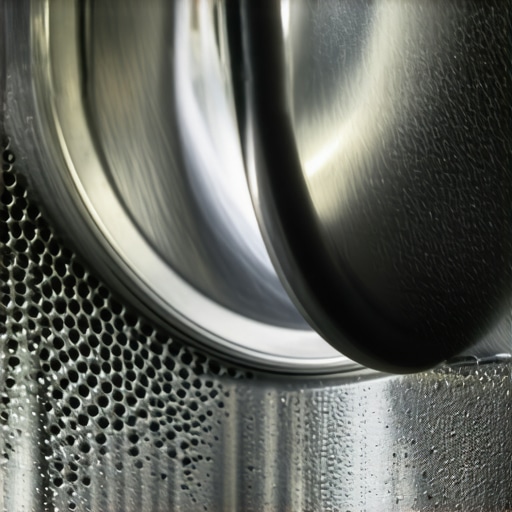
Stop Drowning Your Laundry in Suds
The same logic applies to your refrigerator, where we often ignore the most ‘high-tech’ parts in favor of surface aesthetics. We focus on the touchscreen but ignore the condenser coils. If those coils are caked in dust, your fridge works twice as hard, leading to that annoying scenario where the motor never seems to stop. It is a similar mechanical stress to why your high efficiency fridge runs more often than your old one; they are designed for steady, low-energy output, but dirt forces them into a high-stress state. Before you assume a part is broken, check the basics that the manual barely mentions. Have you ever fallen into the ‘extra soap’ trap or noticed your ‘Eco’ settings leaving things a bit greasy? Let me know in the comments—I would love to hear your appliance horror stories.I used to think my fridge was just getting old when the motor started running louder, but the truth was much dirtier. I finally bought a flexible coil brush—specifically a heavy-duty wire-core version—and pulled out enough lint from underneath to build a second cat. This single tool is why my fridge stopped that constant, vibrating hum. If you are ignoring the dust hidden behind the bottom grille, you are making one of the biggest 5 mistakes that are shortening the life of your smart refrigerator. I also keep a few of the best smart plugs for monitoring appliance energy use on my older machines. When I see the wattage spike unexpectedly in my app, I know a motor is struggling or a heater is stuck on. It is the closest thing to having a diagnostic dashboard for your kitchen. 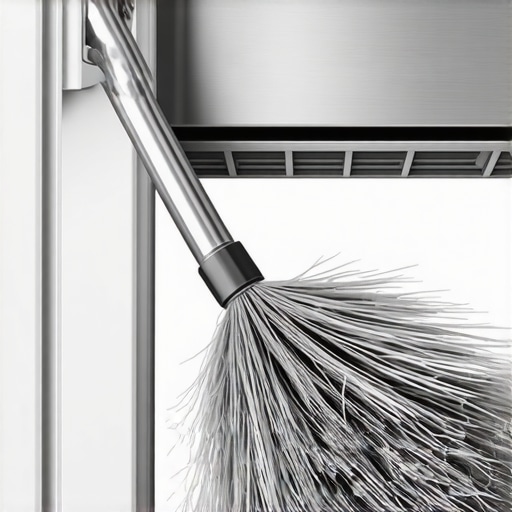 The Department of Energy (DOE) notes that dirty condenser coils can increase refrigerator energy consumption by as much as 30%, which is essentially throwing money away every month. Beyond just cleaning, you have to listen to the machine’s ‘voice.’ For instance, knowing why your modern fridge is making a clicking sound every ten minutes can be the difference between a simple start relay fix and an expensive compressor replacement.
How do I maintain these complex appliances over time?
The trick is a quarterly audit. Every three months, I pull my washer out to check the hoses for bubbles or cracks. It sounds paranoid until you realize a burst hose can cause thousands in floor damage. While you are back there, listen for any new grinding; learning how to tell if your washer bearings are about to fail early on can save the entire drum assembly. I also recommend a monthly sanitize cycle on both the washer and dishwasher using a dedicated citric-acid cleaner—it is far more effective than vinegar at breaking down the waxy soap residue that clogs internal sensors. Looking ahead, I predict we are moving toward a self-healing era. We are already seeing innovative dishwashers with AI technology that can detect a partial clog and adjust water pressure to flush it out automatically. By the time we hit the future of home appliances trends to watch in 2025, your fridge will run a self-diagnostic and schedule its own technician before the temperature even begins to drop. It is all part of the ultimate guide to smart home appliances for a modern living. My best advice? Grab a coil brush this weekend and clear out that dust; you will hear the difference immediately.
What I Learned After Nearly Breaking My Most Expensive Appliances
I used to think that as long as the machine turned on, it was working fine. I was wrong. The biggest lightbulb moment for me was realizing that vinegar is not always your friend. While it is great for descaling, the high acidity can actually degrade the rubber seals and gaskets in your dishwasher and washer over time. I now stick to specialized citric-acid-based cleaners that are gentler on the mechanical components. Another lesson? Stop treating your appliances like trash cans. Even with a garbage disposal, scraping your plates is the difference between a machine that lasts five years and one that lasts fifteen.
I also learned that sound is the most honest indicator of health. If you hear a strange noise, don’t just turn up the TV. For example, knowing why your modern fridge is making a clicking sound every ten minutes can save you from a complete compressor failure. Acting early is the only way to avoid the ’emergency repair’ premium.
My Go-To Kit for Keeping the Kitchen Running
I have narrowed my maintenance routine down to three specific items that have saved me thousands in potential repairs. First is a heavy-duty, wire-core coil brush; it is the only way to effectively clean the hidden debris under your refrigerator grille without taking the whole unit apart. #IMAGE_PLACEHOLDER_E# Second, I swear by using the best smart plugs for monitoring appliance energy use. They let me see when a motor is drawing too much power, which is usually a sign of a blockage or a failing bearing.
Lastly, I always keep a digital thermometer in my fridge. It is much more reliable than the built-in sensors for ensuring food safety. If you want to dive deeper into how technology is changing the game, I highly recommend checking out the ultimate guide to smart home appliances for a modern living. It changed how I view my entire kitchen ecosystem.
Take Control of Your Kitchen’s Lifespan Today
Maintenance doesn’t have to be a weekend-long ordeal. If you just take five minutes to check your filters or run a hot water cycle, you are already ahead of 90% of homeowners. As we look toward the future of home appliances trends to watch in 2025, these machines will get smarter, but the physics of water, heat, and dirt won’t change. Start with one small task today, and you’ll see the results in your utility bills and the sparkle of your dishes. Have you ever discovered a hidden filter or a weird mechanical quirk that changed how you use your appliances? Let me know in the comments below!