
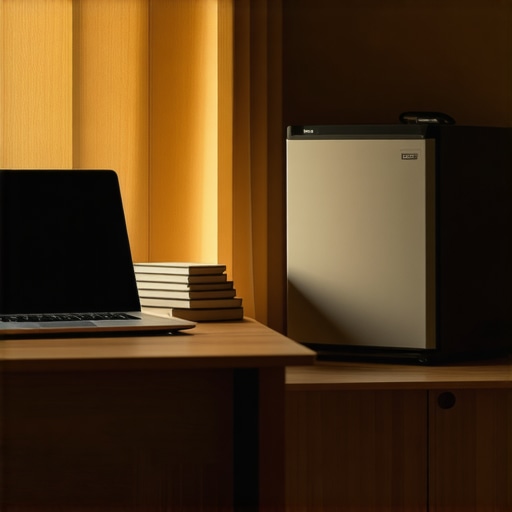
I still remember the smell. It was three weeks into my freshman year, and I’d just come back from a grueling 8:00 AM chemistry lab. I reached into my “bargain bin” mini fridge for a carton of milk, only to be greeted by a scent that could peel paint. My $50 Craigslist find hadn’t just died; it had turned into a lukewarm petri dish. I spent the next four hours scrubbing the floor and wondering why I didn’t just do my homework on choosing the right refrigerator before moving in. This wasn’t just a loss of $4 worth of milk; it was the loss of my late-night cereal sanity.
The Night My Dorm Room Smelled Like Sour Milk
That first fridge was a disaster. Not only did it fail on the cooling front, but it also made this rhythmic clicking noise that kept my roommate awake until 3:00 AM. If I had known then why your modern fridge is making a clicking sound, I might have been able to fix it, but instead, I just kicked it and hoped for the best. Spoiling your snacks is one thing, but losing sleep over a noisy compressor is a specialized kind of college torture. I’ve spent the last decade obsessing over refrigerators in 2025 and how they fit into smaller living spaces. I made the classic mistake of prioritizing the lowest price over actual reliability. Today, I’m going to save you the heartache (and the smell). We are looking at the three best compact refrigerators that actually fit under a lofted bed, keep your leftovers safe, and won’t sound like a freight train in the middle of a midterm study session.
Is a mini fridge really worth the precious floor space?
You might be thinking you can just survive on dining hall food and lukewarm tap water. Trust me, you can’t. Whether it’s keeping your insulin cold, storing leftover pizza, or just having a cold soda after a long day, that square footage is the most valuable real estate in your room. However, you have to be careful; according to the U.S. Department of Energy, older or poorly made compact models can actually consume more electricity than a full-sized unit if they aren’t Energy Star certified.
Stop Settling for Lukewarm Drinks and Noisy Nights
Before we dive into the winners, have you ever bought an appliance that looked perfect in the store but turned out to be a total dud once you got it home? I want to hear about your most epic appliance fail in the comments! Finding the right fit means looking past the shiny exterior. You need to consider interior layout, defrosting methods, and—most importantly for a dorm—decibel levels. Some units are great but eventually, you’ll find why your new refrigerator is making a loud humming sound is just part of their low-cost DNA. We’re aiming higher than that. Let’s get into the specifics of what makes a compact fridge a “must-have” rather than a “must-toss.”
Measure Twice or Lose Your Security Deposit
The biggest mistake people make isn’t the brand; it’s the math. You see a space that looks like 20 inches and buy an 18-inch fridge, thinking you’re a genius. But refrigerators are like humans; they need to breathe. If you don’t leave at least two inches of clearance on the sides and back, the heat trapped behind the unit will cook the compressor from the outside in. I once tried to shove a beautiful matte black unit into a cubby that was exactly 18 inches wide—the same width as the fridge. I didn’t account for the heat dissipation. Within three days, the side panel was hot enough to fry an egg, and the compressor was screaming for mercy. If you’re working with incredibly tight quarters, you might want to look at the best slimline fridges for tiny houses and van conversions which are specifically designed for narrow footprints. 
Pick the Right Engine for Your Cold Brew
Not all cooling is created equal. You have to choose between compressor-based units and thermoelectric ones. Think of a compressor like a V8 engine—it’s powerful, it gets the job done fast, and it can handle a heavy load. Thermoelectric units are more like a ceiling fan; they can keep things cool-ish, but they can’t handle heat well and won’t keep your milk at that safe 37 degrees Fahrenheit if the room gets warm. If you want true reliability, you need to understand the difference between inverter and traditional refrigerator compressors. Inverters are quieter and more efficient, which is a lifesaver when your bed is three feet away from the appliance. You might notice that why your high efficiency fridge runs more often than your old one is actually by design to maintain a steady temperature rather than constant on-off cycling.
Stop Losing Food to Poor Interior Layouts
A fridge is only as good as what you can fit inside it. A lot of compact models waste space with massive freezer compartments that can barely fit a single frozen burrito and just end up frosting over. Look for adjustable glass shelving rather than fixed wire racks. Wire racks are the enemy of stability—one tipped-over yogurt cup and your entire week is ruined. When you’re setting things up, don’t forget to check the balance; knowing how to adjust the feet on your refrigerator to stop it from rocking will prevent those annoying rattles every time the motor kicks in. Once you have the space, learn how to use your fridges humidity slides to keep produce fresh so your expensive organic spinach doesn’t turn into slime by Tuesday. It’s all about maximizing the limited real estate you have without overworking the machine.
Modern Washers Aren’t Broken Just Because They Use Less Water
Most people believe their new appliance is defective the first time they look through the glass and see only a tiny puddle at the bottom. I see this complaint in every forum: ‘My machine isn’t filling up!’ But the secret nuance is that modern washing machines that save water are designed for mechanical friction, not immersion. When you realize why your high efficiency washer doesn’t fill all the way to the top, you start to understand the physics of modern cleaning. It’s no longer about soaking; it’s about the high-velocity movement of fibers against each other. If you try to ‘trick’ the machine by adding extra water with a garden hose (yes, people actually do this), you’re actually diluting the enzymes in your detergent and ensuring your clothes stay dirty.
The Hidden Danger of Over-Sodding Your Laundry
The biggest ‘trap’ in the world of modern appliances is the ‘more is better’ mentality with detergent. In an old-school top-loader, a mountain of bubbles was a sign of success. In a smart HE machine, it’s a death sentence. I’ve seen countless units where the owner complained about a breakdown, only to find the internal sensors were blinded by a film of soap. This is precisely why your washer doesn’t need a whole cup of detergent to get clothes clean; the excess soap creates a ‘cushion’ that prevents the clothes from actually rubbing against each other, effectively stopping the cleaning process. Even worse, that leftover soap stays in the drum and becomes a breeding ground for mold. 
Can Your Modern Washer Actually Make Your Allergies Worse?
This is a question I get from homeowners who notice their skin getting itchy after switching to a ‘smart’ unit. The answer isn’t the machine; it’s the ‘scrud’—a waxy buildup of fabric softener and detergent that hasn’t been properly rinsed out. According to the American Cleaning Institute, using more than two tablespoons of HE detergent in a high-efficiency machine can lead to a bacterial buildup that survives even the hottest cycles. This is often the reason your high efficiency washer smells like old gym socks. If you aren’t running a monthly cleaning cycle, you’re just redepositing bacteria onto your ‘clean’ sheets. Understanding how smart washing machines can simplify laundry day means letting the sensors do the work and trusting the low-water levels. Have you ever fallen into the ‘extra soap’ trap because you didn’t think the clothes were getting clean? Let me know in the comments below!If you think your dishwasher is a miracle worker that can handle a whole lasagna tray of leftovers without a rinse, you’re setting yourself up for a nasty (and expensive) surprise. I’ve spent more hours than I care to admit pulling calcified pasta and mystery gunk out of drain pumps, and believe me, it is never a pretty sight. Most homeowners don’t even realize how to deep clean the gasket on your dishwasher to prevent leaks until they find a puddle on their expensive hardwood floor. According to technical maintenance bulletins from the Association of Home Appliance Manufacturers (AHAM), a staggering 30% of dishwasher-related service calls could be avoided simply by cleaning the internal filter once a month. If you’re already seeing standing water at the end of a cycle, you need to learn how to fix a dishwasher that wont drain completely before that moisture starts to rot your cabinetry. 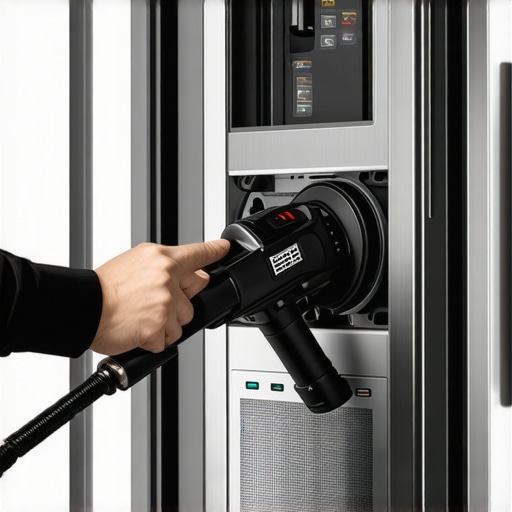
The One Tool That Saved Me $300 in Service Fees
I’m going to let you in on a secret: you don’t need to be an electrician to keep your smart kitchen alive. One tool I swear by and use personally every single time a machine acts up is a basic digital multimeter. You can buy one for twenty bucks, and it allows you to test for continuity in a matter of seconds. I’ve used mine to diagnose why your smart fridge isnt updating its software by confirming the Wi-Fi module was actually getting the right voltage from the board. Without it, I would have been at the mercy of a technician charging $150 just to walk through the door. It’s about taking ownership of your technology rather than letting it own you.
How do I keep these smart sensors from failing early?
The reality of high-tech appliances is that they are essentially computers wrapped in stainless steel. The biggest enemy isn’t use; it’s moisture and dust management. If you let the rear coils on your refrigerator get coated in pet hair and dust, the ‘brain’ of the unit has to work twice as hard to dissipate heat, eventually leading to a fried control board. You need to avoid the 5 mistakes that are shortening the life of your smart refrigerator, and pure neglect of the mechanical components is usually at the top of that list.
The Future is Self-Healing and Proactive
Looking ahead, the future of home appliances is moving toward a self-healing model where AI sensors will predict a part failure before it actually happens. But until we reach that automated utopia, the responsibility for longevity sits squarely on us. My advanced tip for you this week: pull your refrigerator out from the wall tonight and vacuum the dust off those back coils. It takes five minutes, requires zero tools, and could easily add three to five years to your compressor’s lifespan. Have you ever tried to do your own ‘appliance surgery’ only to realize you were missing a simple tool? Let me know what’s in your toolkit below!
Hard Truths from a Decade of Drains and Drips
I’ve spent years crawling behind fridges and digging through washer gaskets, and if I could go back to that smelly dorm room, I’d tell myself that maintenance isn’t a chore—it’s an investment in your sanity. Here is what the fancy brochures won’t mention. First, the noise of a machine is its primary language; if you start hearing something new, don’t wait for it to stop on its own. Second, we often over-complicate things, but the ultimate guide to smart home appliances for a modern living always starts with basic cleanliness. Finally, remember that high-tech doesn’t mean ‘hands-off.’ Even the most advanced units need a human touch to stay efficient.
The Only Manuals and Gear You Actually Need
You don’t need a garage full of tools to keep your home running smoothly. I recommend keeping a digital copy of your manuals on your phone for quick reference. Besides a multimeter, I swear by a simple coil brush for your refrigerator and high-quality cleaning tablets for your dishwasher. For staying ahead of the curve, I always keep tabs on the top smart appliances for a seamless home experience in 2025 to see which features are actually worth the upgrade and which are just marketing fluff. #IMAGE_PLACEHOLDER_E#
The Future of Your Kitchen Starts Today
Taking care of your smart appliances doesn’t have to be a full-time job. It’s about those small, consistent habits that keep the ‘petri dish’ scenario at bay. Whether you are upgrading your setup or just trying to keep an old warrior alive, remember that you are in control. Stay curious about the future of home appliances and keep your toolkit ready. Have you ever tried a DIY fix that actually worked, or did it end in a call to the professionals? Share your story below!