
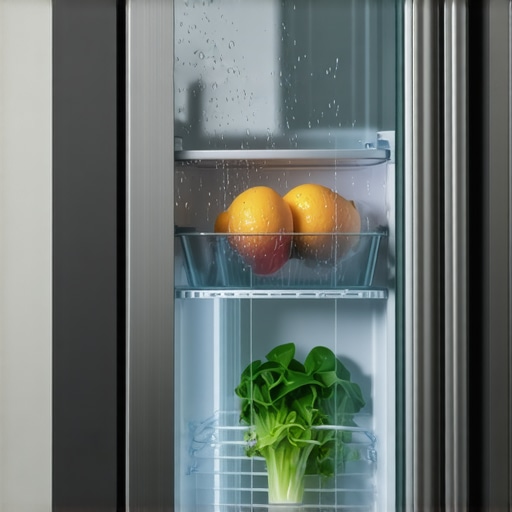
I remember the moment vividly—standing in my kitchen, opening the fridge door, and seeing tiny droplets of water accumulating on the outside like a mini waterfall. It was late at night, and I was so frustrated I almost questioned whether my trusty appliance was malfunctioning or just plotting against me. That lightbulb moment made me realize: this condensation issue isn’t just a minor annoyance; it can signal underlying problems that, if left unchecked, might lead to bigger, costlier repairs.
What Causes a Sweaty Fridge Anyway?
Condensation on your fridge’s exterior occurs when warm, humid air comes into contact with the cooler surface of your appliance. Think about those sticky summer days when your sweat drips down your forehead—that’s essentially what’s happening on a micro level. But if this moisture is persistent, it’s a sign that your fridge isn’t managing humidity effectively, which can affect not just comfort but also your appliance’s efficiency.
Now, I’d be lying if I said I nailed this problem on my first try. Early on, I made the mistake of assuming it was due to a faulty seal or a leaking door, ignoring the fact that even a well-sealed fridge can sweat if the humidity level in your home is high. Once, I tried sealing all the gaps around my fridge’s gasket, only to see the condensation return with a vengeance. That’s when I discovered the importance of understanding room humidity levels and proper ventilation.
So, are you tired of waking up to water spots on your kitchen floor or noticing that your food seems to be getting frostbite faster than it should? If yes, keep reading. In the following sections, I’ll walk you through practical, easy-to-implement steps to fix this problem for good and prevent it from creeping back.
Control Room Humidity and Ventilation
Start by measuring your home’s humidity levels with a simple hygrometer. If humidity exceeds 50%, consider using a dehumidifier. Proper ventilation helps reduce moisture in the air, preventing it from condensing on your fridge. During my own struggle, I installed a small vent fan and noticed a marked decrease in condensation within a few days.
Adjust Your Refrigerator Settings
Set your fridge temperature between 37°F and 40°F (3°C to 4°C). Warmer settings can cause the compressor to work harder, creating more humidity and external sweating. When I lowered mine slightly, the exterior stayed dry, and energy consumption decreased. Refer to your appliance manual or visit this guide for calibration tips.
Improve Insulation and Seal Integrity
Check the door gasket for cracks or gaps by closing the door on a dollar bill; if you can easily pull it out, it’s time to replace the gasket. Better seals prevent humid air from entering, which reduces external condensation. I replaced my gasket, and the sweating stopped almost immediately. For stubborn seals, see this hack.
Create an Internal Drainage Pathway
Condensation might originate from internal sources. Locate your fridge’s internal drain and clear any clogs using a mixture of warm water and vinegar. This prevents water accumulation that could seep and cause external droplets. I used a thin pipe cleaner to unclog mine, which drastically reduced surface water spots. For detailed steps, consult this article.
Use Moisture Absorbers and Fans
Place silica gel packs or activated charcoal near your fridge to absorb excess moisture. Additionally, ensure good airflow by avoiding clutter around the appliance and using a small fan to circulate air. I set up a quiet desk fan nearby, and after a week, noticed the outside stayed dry even during humid days. For more insights on improving air circulation, visit this resource.
 The image would showcase a hygrometer, a dehumidifier, and a person adjusting fridge settings, illustrating how to manage humidity and temperature effectively.Smart appliances like refrigerators, washing machines, and dishwashers promise convenience and efficiency, but many users fall prey to misconceptions that can lead to costly mistakes. One common myth is that newer models are inherently better simply because they are connected and feature advanced tech; however, in my experience, many high-tech devices suffer from hidden issues such as overcomplicated interfaces that frustrate users or firmware bugs that cause malfunctioning without obvious signs. Moreover, many assume that smart features automatically optimize performance, but without proper calibration or understanding of settings, these options can actually reduce efficiency or even damage the appliance over time. Breaking free from these assumptions requires a nuanced understanding of device capabilities versus real-world performance, backed by expert insights. For instance, studies show that overly relying on automatic modes in washing machines can lead to increased energy use and wear, rather than savings, if users aren’t aware of optimal manual settings. A critical trap to avoid is blindly trusting firmware updates to fix problems; sometimes, updates introduce new bugs or reduce functionality if not tested thoroughly. Be especially cautious with smart integrations, as they can pose security risks, like data breaches or unauthorized access—yet many overlook this aspect entirely. For advanced users seeking peak appliance performance, it’s essential to stay informed on common pitfalls and nuanced differences. For example, knowing that some refrigerators’ smart sensors can misread temperature due to poor placement helps prevent food spoilage or energy waste. To truly harness the potential of your home tech, there’s value in digging deeper into the quirks and limitations that manufacturers often omit in marketing. Remember, understanding these nuances helps you avoid costly errors and extends the lifespan of your appliances. If you’re planning to upgrade, consider consulting detailed reviews or expert guides on sites like dishwasher performance or compact fridges to make smarter choices. Have you ever fallen into this trap? Let me know in the comments.
Maintaining your advanced home appliances requires more than just periodic cleaning; it involves using the right tools and following specific routines to ensure longevity and optimal performance. I personally rely on a combination of specialized software and durable instruments to diagnose and troubleshoot issues before they escalate. For instance, I use SmartDoctor Pro, a diagnostic app compatible with most smart refrigerators and washing machines, which provides real-time alerts and detailed troubleshooting guides. This helps me catch minor glitches early, saving costly repairs and downtime.
Another tool I recommend is a digital multimeter. When I noticed my smart dishwasher’s connectivity dropping randomly, I used a multimeter to measure voltage and verify stable power supply, preventing misdiagnosis and unnecessary service calls. Investing in reliable tools like this has allowed me to address many home appliance quirks personally, extending their lifespan significantly.
Predicting the Future of Appliance Maintenance
As technology advances, I believe routine maintenance will become increasingly autonomous. Future appliances will likely feature built-in self-diagnostic systems with predictive analytics that notify users or service centers before a problem manifests, similar to how smart appliances already communicate issues indirectly via apps. Embracing early adoption of these innovations can help you stay ahead of breakdowns and keep your home running seamlessly.
How do I keep my appliances in top shape over time?
Beyond using diagnostic apps and multimeters, establishing a regular maintenance schedule is vital. This includes cleaning filters, inspecting seals, and updating firmware. For example, periodically cleaning the washers’ gaskets prevents mold buildup, which can cause unpleasant odors and reduced efficiency. Additionally, keeping software firmware up to date ensures your device benefits from security patches and performance improvements implemented by manufacturers.
Don’t forget to utilize software alerts—many smart appliances send notifications when maintenance tasks are needed. I highly recommend setting reminders for filter replacements—this small step can significantly impact your appliances’ efficiency and lifespan. For an in-depth guide on managing and prolonging appliance health, check out this resource. Try implementing these practices today to enjoy continuous, trouble-free operation from your smart home investments, and stay tuned for more expert tips to optimize your appliances further.
Unearthing Lessons That Changed My Approach
One of the most profound lessons I learned about smart appliances was realizing that firmware updates aren’t a silver bullet. Early on, I kept installing updates hoping to fix glitches, only to find new quirks emerging. Over time, I discovered that understanding each device’s unique settings and quirks—like how some fridges need specific sensor calibrations—was key to truly optimizing performance.
Another insight was the importance of controlling room humidity. I used to overlook this, thinking that appliance maintenance alone would suffice. But after installing a dehumidifier and improving ventilation, I noticed a significant drop in external condensation issues—saving me frustration and potential repairs.
Finally, I learned that relying solely on smart features without proper manual understanding can lead to inefficiencies. For example, setting my washer to an ‘auto’ cycle without knowing which soil level works best often resulted in longer wash times and energy waste. Personal experimentation, coupled with reading in-depth guides, transformed my approach to home appliance management.
Tools and Resources That Changed My Game
My essential toolkit includes a high-quality hygrometer to monitor room humidity and a digital multimeter for electrical diagnostics. These tools empower me to troubleshoot issues, like voltage fluctuations causing random resets, without always calling for service. I trust them because they provide tangible data I can interpret myself.
For in-depth guidance, I turn to detailed blog posts from Smart Appliance Review. Their comprehensive tutorials on optimizing dishwasher spray arms or cleaning internal drains have saved me countless headaches. Additionally, books like Smart Home Maintenance have helped me understand the nuances of device calibration, making me feel confident in my DIY repairs.
Lastly, staying connected with online communities has been invaluable. Forums where fellow enthusiasts share real-world fixes inspire me and broaden my knowledge base, reminding me that I’m not alone in facing appliances’ quirks.
Embrace the Future of Appliance Care Today
Investing in your home’s smart appliances means you’re also investing in your peace of mind. By applying these insights and utilizing trusted tools and resources, you can extend the lifespan of your appliances and keep your home running smoothly. Remember, the best maintenance is proactive, informed, and tailored to your unique living space.
Are you ready to take your smart appliance care to the next level and avoid common pitfalls? Share your experiences below—I’d love to hear your stories and tips!