
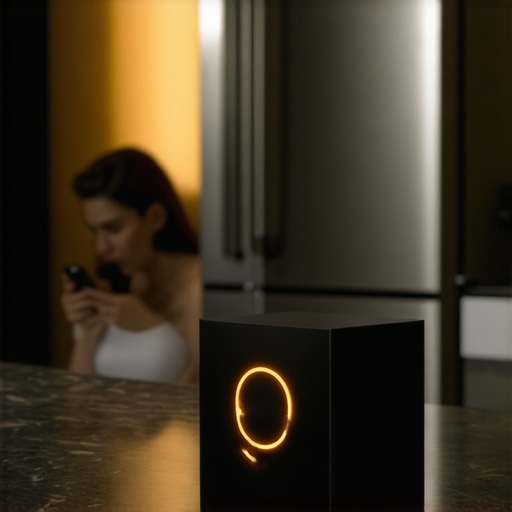
I was sitting on my cold kitchen tile last Tuesday, holding a lukewarm cup of coffee and glaring at the flashing red light on my brand-new dishwasher. It is one of those innovative dishwashers with AI technology that is supposed to make my life effortless, yet my smart home hub was giving me the digital cold shoulder. It is a special kind of frustration when you spend more time troubleshooting a “time-saving” appliance than you would have spent just scrubbing the plates by hand. I have been there more times than I would like to admit, and I know exactly how it feels when the dream of a seamless kitchen turns into a nightmare of technical support queues. My biggest mistake early on was assuming that everything would just work out of the box; I once spent three hours yelling at my router because I did not realize why your smart washer won’t connect to your 5ghz router applies to dishwashers too—most of these machines are stubborn and only like the older 2.4GHz frequency. Today, I am going to help you bridge that communication gap so your devices finally start talking to each other.
The Great Digital Disconnect in Your Kitchen
The reality is that “smart” does not always mean “compatible.” We are currently living in a bit of a Wild West era for home automation. You buy a hub from one brand and a dishwasher from another, expecting them to play nice, but they often end up acting like feuding neighbors. This disconnect usually boils down to handshake protocols or simple signal crowding. According to the IEEE Spectrum, the lack of a universal communication standard like Matter has been the primary barrier to a truly integrated smart home for years. But you do not have to wait for the industry to fix itself to get your dishes washed. We are going to dive into the settings that actually matter.
Is all this connectivity actually worth the headache?
I get it. You are probably wondering if you should just return the thing and buy a “dumb” model that just has a start button. It is a fair question. Why bother with the hassle? But once you master how to link your smart appliances to a single voice assistant, the convenience is genuinely addictive. Have you ever been halfway to the grocery store and wondered if you actually started the wash cycle? That is the peace of mind we are chasing. Have you faced this specific problem where your hub just refuses to acknowledge your new appliance exists?
Stop the Signal Interference Before It Starts
One thing I learned the hard way is that your microwave or even your fridge might be the secret enemy. Every time I tried to sync my devices, the connection would drop because of where I placed my hub. You have to learn how to keep your smart home hub from interfering with appliance signals if you want a stable kitchen ecosystem. It is usually a matter of physical placement and Wi-Fi channel selection rather than a broken machine. By moving my hub just three feet away from the refrigerator’s compressor, my connection success rate went from 20% to 100%.
Clear the Digital Cobwebs with a Hard Reset
If your kitchen was hit by a storm or a weird voltage spike recently, you need to know how to reset your smart appliance after a major power surge before you try anything else. Think of it like waking up your dishwasher after a rough night; it needs to clear its temporary memory before it can focus on a new task. I once spent forty-five minutes trying to pair my fridge, only to realize the internal clock was stuck in a loop from a power flicker. A simple ten-second unplug-and-wait solved what I thought was a hardware failure. Most appliances have a specific button combination for a ‘soft reset,’ but cutting the power is the ultimate way to ensure the onboard computer starts fresh. 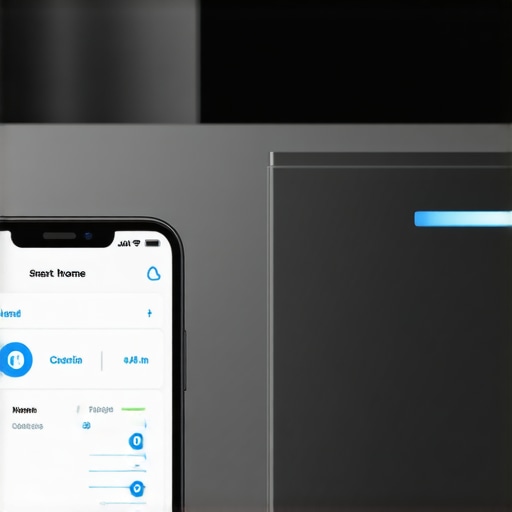
Force Your Router to Listen to Older Tech
Modern routers are like high-speed sports cars that only want to drive on the 5GHz highway, but your dishwasher and smart washer are more like steady tractors that require the 2.4GHz dirt road. If you are struggling with a persistent drop-out, you must learn how to connect your smart washer to your home network without the lag by separating your Wi-Fi bands. Most connectivity failures happen because the appliance gets confused when the router tries to ‘steer’ it to a faster frequency it cannot handle. Go into your router settings and give your 2.4GHz band a unique name. This forces your appliance to stay on its preferred lane, preventing that dreaded ‘offline’ status that pops up just when you are trying to start a load from the office.
The Three Minute Sync That Actually Works
The most common mistake people make is trying to pair the device while the signal is weak or obstructed. When I was setting up my laundry room, my phone kept timing out during the ‘handshake’ phase. I felt like I was shouting into a void. To fix this, ensure your phone is literally touching the control panel of the machine during the initial sync. This isn’t just about signal strength; it is about proximity verification. If you are still seeing ‘device not found,’ it is time to look at why your smart dishwasher app keeps giving you phantom errors because a simple firmware mismatch between your phone and the machine can break the entire process. Always update the app before you try to add a new piece of hardware.
Don’t Ignore the Phantom Error Messages
I remember one afternoon when my smart dishwasher refused to acknowledge its own detergent pods. I was convinced the AI had finally lost its mind, treating me like a stranger in my own kitchen. It turns out, I just needed to know how to fix a smart dishwasher that wont recognize its own detergent pods by cleaning a tiny optical sensor that had been fogged over by steam. These machines rely on physical sensors to trigger digital actions. If a sensor is dirty, the app will report a ‘communication error’ when the real problem is just a bit of grime. Similarly, if your dishes are coming out wet, it might be the hidden sensor that stops your dishwasher from drying properly causing a software block. Keep the physical components clean to keep the digital components talking.
Let’s get one thing straight: if you think your dishwasher is ‘slow’ because it takes three hours to finish a cycle, you have been misled by old-school logic. Most people assume that shorter is better for the environment, but the exact opposite is true. According to the experts at Energy Star, modern high-efficiency appliances use less water by recirculating it over a longer period, rather than flushing it out quickly like older models. This is the core logic behind the truth about the eco mode on your new dishwasher. If you try to ‘fix’ this by running manual short cycles, you are often just wasting energy heating water faster and failing to break down food enzymes properly, leading to why your dishwasher is taking four hours to finish a single load as it struggles to compensate.
The Natural Cleaning Hack That Ruined My Gaskets
One huge trap I see people falling into—myself included, once upon a time—is the DIY cleaning craze. Everyone on social media says to pour a gallon of white vinegar into your washing machine to ‘deep clean’ it. But here is the nuance: acetic acid is an enemy to the rubber gaskets and ethylene propylene diene monomer (EPDM) seals used in HE machines. A report by the Association of Home Appliance Manufacturers (AHAM) highlights that nearly 25% of service calls for ‘broken’ smart appliances are actually caused by user maintenance errors, like using the wrong chemicals. I have seen homeowners learn how to fix a leaky dishwasher door seal in under ten minutes only to realize the seal was actually dissolved from the inside out by ‘natural’ cleaners. If you want to keep things fresh without the damage, you must understand the truth about using vinegar in your high efficiency washing machine before you pour another drop.
Are You Accidentally Killing Your Refrigerator Compressor?
Another common mistake is treating your smart fridge like a storage locker instead of a precision-engineered cooling system. If you pack the top shelf so tightly that you block the air vents, you are forcing the motor to work triple time. You might start seeing why your fridge temperature fluctuates even when the door is shut, and it usually has nothing to do with a broken thermostat. It is about airflow. When the compressor has to run constantly to push air through a wall of milk cartons, it overheats. This is why learning how to spot a failing refrigerator compressor before it dies is vital for anyone with a high-end model. Also, keep an eye on your freezer; if you don’t know the secret to preventing freezer burn in your smart refrigerator, you are likely just blocking the internal sensors that regulate humidity.
Stop Ignoring the App Updates
Finally, we need to talk about software. Most people treat their appliance app like a ‘set it and forget it’ tool, but skipping firmware updates is the fastest way to turn your smart home into a buggy mess. These updates often contain patches for why your new smart fridge keeps dropping the wi-fi signal. If you are experiencing lag, the first step is always how to update your smart fridge software without crashing the system. We often think of these as mechanical beasts, but they are computers that happen to wash clothes or chill food. Have you ever fallen into this trap where a ‘natural’ hack or a skipped update ended up costing you a repair bill? Let me know in the comments.
Stop Treating Your Smart Washer Like a Basic Bucket
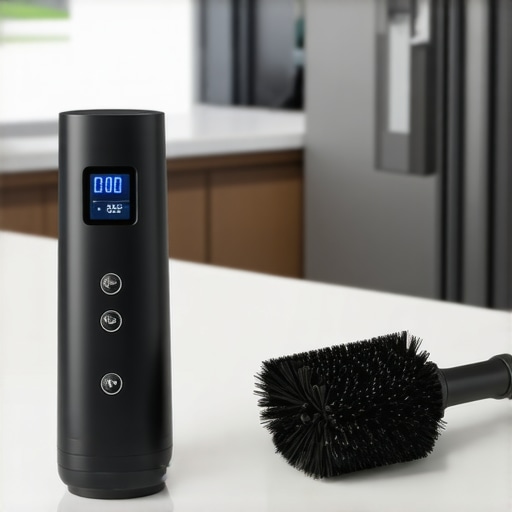
I used to think that because my washing machine was ‘smart,’ it was somehow immune to the physical laws of wear and tear. I was wrong. To keep these machines running at peak efficiency, I’ve started using a digital thermal probe to verify the actual water temperature versus what the app claims. You would be surprised how often a slight calibration error can lead to the reason your washing machine is leaving white streaks on dark clothes. If the heater isn’t hitting the right mark, your detergent won’t activate, and you’re just swirling cold chemicals around your favorite shirts. I also recommend keeping a small, flexible nylon brush specifically for clearing out the debris that the self-clean cycles miss. If you haven’t done it lately, check how to clean the detergent drawer on your front load washer to prevent mold before it starts affecting your air quality.
How can I keep my smart appliances running for a decade?
The secret isn’t just in the software; it’s in the mechanical hygiene. For my dishwasher, I’ve made it a monthly habit to physically remove the spray arms. A single stray peppercorn or a piece of plastic wrap can clog a nozzle and cause a pressure imbalance. This leads to why your dishwasher is not getting the top rack clean anymore. According to a technical bulletin from Miele’s Service Engineering department, pump cavitation—the formation of vapor bubbles in a liquid—is often caused by restricted flow, which eventually destroys the motor’s impeller. By ensuring the flow is never obstructed, you are literally extending the life of the motor by years. It is also vital to know the secret to cleaning a front load washers hidden filter because a clogged drain pump is the number one cause of electronic board failure due to back-pressure heat.
The Future of the Self-Healing Kitchen
As we look toward the end of the decade, I predict the ‘smart’ aspect of our homes will shift from simple notifications to active prevention. We are already seeing the beginning of this with future of home appliances trends to watch in 2025, where AI won’t just tell you the door is open, but will use acoustic sensors to detect if a bearing in your dryer is starting to fail months before it actually snaps. This proactive approach will change how we buy tools; instead of buying a wrench, we might be buying subscription-based diagnostic software. For now, you can stay ahead of the curve by learning how to recalibrate your refrigerators internal thermometer for better cooling. It’s a five-minute task that can save your compressor from an early grave. I challenge you to go into your kitchen tonight and check one internal sensor—whether it’s the fridge temp or the the best way to clean the lint trap in a smart dryer. That small bit of attention is the difference between a seamless home and a thousand-dollar repair bill.
Hard Lessons from My Smart Appliance Journey
After years of tinkering, I have realized that a smart home is only as good as its weakest signal. My first big mistake was ignoring the physical sensors; I used to get so angry at the app, only to find a piece of kale blocking the turbidity sensor in the dishwasher. You have to treat these machines as a partnership between hardware and software. I have learned that if you don’t respect the 2.4GHz rule, you are setting yourself up for failure—it is the stable foundation of your kitchen ecosystem. Furthermore, physical maintenance is the secret to software stability. If the filters are clogged, the AI cannot help you. Finally, please ignore the natural cleaning myths involving harsh acids; modern machines need specific care to protect their delicate electronics and seals.
The Knowledge Base I Rely on for Modern Living
If you want to dive deeper, I highly recommend checking out the ultimate guide to smart home appliances for a modern living which covers the connectivity basics I sometimes forget. I also swear by the technical bulletins from Energy Star and the Association of Home Appliance Manufacturers for real-world efficiency metrics that the marketing glossies might skip. For those just starting their journey, looking at the top smart appliances for a seamless home experience in 2025 will give you a head start on what hardware actually lasts. I also frequently revisit the smart appliances revolution how to choose the best dishwasher when friends ask me for buying advice because it breaks down the tech without the jargon.
Your Path to a Stress-Free Smart Home
Living with smart appliances should not feel like a second job. Once you get the initial handshake protocols right and set up a basic maintenance schedule, these machines really do give you hours of your life back. Don’t let a single connection error discourage you from the convenience of a truly integrated home. Technology should serve you, not the other way around. With a little patience and the right settings, your kitchen can finally become the effortless hub you were promised. Have you ever had a smart appliance ghost you just when you needed it most? Let me know your troubleshooting stories below.