
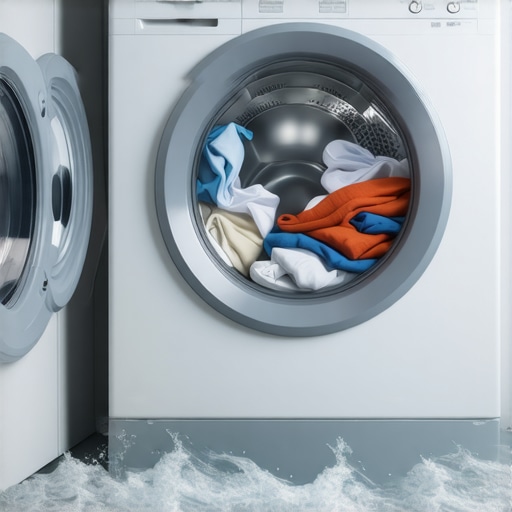
Ever stood in front of your washing machine, watching water refuse to budge, especially after a mountain of laundry? I’ve been there—frustrated, soaked in a puddle of soapy water, wondering why my trusty machine had suddenly become a stubborn brick wall. That lightbulb moment hit me hard: heavy loads can often jam the drain, leaving you stuck and scrambling for solutions. But here’s the good news—I’ve learned a few tricks that can turn this headache into a thing of the past.
Why Heavy Loads Turn Your Washing Machine into a Water Trap
The core issue with heavy laundry is that it puts extra strain on your machine’s drainage system. When overloaded, the water has a harder time flowing out because the washing machine’s pump and drain hose can get overwhelmed or blocked by debris. It’s like trying to pour a massive bucket of water through a tiny straw—eventually, the flow stops. Sometimes, the load itself can fold in unbalanced, causing the machine to halt mid-cycle to prevent damage. Recognizing these signs early can save you from a flood and a hefty repair bill.
Feeling skeptical about DIY fixes? I get it. I used to think calling a plumber was the only answer until I realized that simple troubleshooting can often resolve the issue swiftly. During my early days, I made a common mistake—ignoring the lint and debris buildup in the drain pump—and it cost me extra time and stress. Trust me, a little knowledge can go a long way in saving your laundry day.
If you’re tired of dealing with standing water after your load, stay tuned. I’ll walk you through the easy steps to identify and clear the blockage, get your washer draining like new, and prevent this problem from cropping up again. It’s time to take back control—because no one wants piles of dirty laundry waiting forever in the washer. Ready to dive into the fix? Let’s get started and make heavy loads a breeze instead of a nightmare.
Empty the Washer and Prepare for Inspection
First, unplug your washing machine to ensure safety. Pull out the unit carefully, especially if it’s on a pedestal. Place towels or a shallow container underneath to catch any residual water. Carefully remove the access panel at the bottom front of the machine, which covers the drain pump filter. This step is like opening a treasure chest; inside, you’ll find the lint filter and pump access point.
Remove Debris and Clear the Filter
Examine the filter for lint, coins, or small clothing items that might be blocking water flow. Gently unscrew or pull out the filter, then clean it thoroughly with warm water. This process is similar to cleaning a clogged shower drain; debris accumulates over time, especially after washing bulky or heavy items. Once cleaned, reinstall the filter securely.
Check and Clear the Drain Hose
Locate the drain hose at the back of your washer. Detach it carefully, using a bucket or towels to catch water. Inspect for kinks, bends, or clogs. Use a long, flexible brush or a plumber’s auger to clear any obstructions within the hose. Think of this as cleaning a straw—bends reduce water flow, and blockages stop it completely. After clearing, reattach the hose snugly, making sure it’s elevated to prevent backflow or siphoning.
Test the Pump and Motor
Sometimes, the pump itself may be jammed or broken. Listen for humming sounds when the machine is supposed to drain; if silent, the pump might be faulty. Remove the pump if necessary, and check for broken impellers or obstructions. Replacing a faulty pump can be straightforward if you follow the manufacturer’s instructions or consult your user manual.
Ensure Proper Load Distribution
Overloading the washer can cause unbalanced loads that hinder draining. When doing laundry, distribute heavy items evenly around the drum to stabilize operation. For example, when I overloaded mine with towels and jeans, the cycle paused repeatedly and water remained trapped. Restocking with a balanced load allows water to flow freely, preventing future drainage issues.
Use Balance and Spin Settings
Select the correct cycle with targeted spin or balance options. Many modern washers have sensors that detect unbalanced loads and redistribute weight or adjust spin speed automatically. If your machine isn’t so smart, manually level the washer using adjustable feet or shims to prevent vibrations that can misalign internal components.
Prevent Future Blockages and Water Stagnation
Regular maintenance is key. Clean the lint filter and drain hoses annually, or more often if you wash heavily soiled or bulky items. Avoid washing too many items at once—a load that’s too heavy is a common culprit behind drainage problems. You can also consult your machine’s manual or visit this guide for detailed troubleshooting tips.
By following these actionable steps—cleaning debris, inspecting hoses, checking the pump, and balancing the load—you can resolve most drainage issues that heavy laundry causes. Remember, a well-maintained washing machine operates smoothly and extends its lifespan, saving you time and money in the long run.
Most people believe that new appliances are foolproof, but behind the sleek interfaces and smart features lie nuanced pitfalls that can trip up even seasoned homeowners. One common myth is that smart appliances automatically resolve all operational issues through AI diagnostics; however, many users overlook the fact that these systems often require timely updates and proper calibration to function optimally. Neglecting firmware upgrades can lead to miscommunications between devices, resulting in delayed notifications or unresponsive features, which diminishes the convenience they promise. For example, a smart dishwasher might show delayed alerts because of outdated software, yet users assume hardware failure instead.
An advanced mistake many make involves the assumption that connectivity is always stable. Smart refrigerators, in particular, rely heavily on Wi-Fi signals. Disruptions or poor network setups can cause screens to flicker or apps to disconnect, as detailed in [why your smart refrigerator screen flickers](https://smartappliancereview.com/why-your-smart-refrigerator-screen-is-flickering). Interestingly, studies show that a significant percentage of issues stem from weak or inconsistent Wi-Fi, not the devices themselves. Ensuring a robust network and regular troubleshooting of connectivity issues is crucial for uninterrupted smart features.
#### Are there hidden risks in relying solely on smart diagnostics?
Absolutely. Overdependence on automated alerts can lead to complacency, with homeowners neglecting regular maintenance checks. For instance, ignoring drain hose inspections in dishwashers might prevent early detection of obstructions, eventually causing leaks or poor cleaning performance. Smart notifications should complement, not replace, routine manual inspections. Moreover, some sophisticated appliances have complex internal sensors that may drift over time, leading to false error codes or missed issues. Regular calibration—like resetting smart fridge temperature sensors—is essential to avoid troubleshooting confusion.
Furthermore, cybersecurity poses a subtle but significant risk. Hackers exploiting weak access controls can manipulate or disable appliances, causing malfunctions or security breaches. Experts recommend changing default passwords and keeping firmware up to date to safeguard your smart home, as discussed in [how to secure your smart appliances from hackers](https://smartappliancereview.com/how-to-secure-your-smart-home-appliances-from-hackers). Essentially, embracing the technology requires a vigilant approach that balances automation with proactive maintenance and security practices.
In conclusion, being aware of these hidden nuances ensures that your appliances serve you efficiently without unforeseen setbacks. Don’t fall for the illusion of perfection—let’s dig deeper into the fine print of our smart homes. Have you ever fallen into this trap? Let me know in the comments.
Keep Your Appliances Running Smoothly with the Right Tools
Maintaining your home appliances isn’t just about occasional cleaning; it’s about using the right tools consistently to ensure longevity and optimal performance. One of my go-to instruments is a digital multimeter. I rely on it to troubleshoot voltage issues in smart refrigerators and appliances. For example, when my smart dishwasher started showing delayed notifications, I used my multimeter to check the power supply, confirming that voltage irregularities were the culprit. Having this tool on hand means you can quickly identify electrical problems without calling in a technician.
Another essential item is a quality drain cleaning brush, especially for appliances like dishwashers and washing machines, which can trap debris in spray arms or filters. Regularly cleaning these parts prevents clogs that cause water stagnation or inefficient wash cycles. I prefer brushes with flexible, long handles—they reach into tight spaces and make maintenance quicker and less messy.
Alongside physical tools, investing in reliable software for monitoring your smart appliances is crucial. I personally use appliance-specific apps that alert me to issues like filter replacements or firmware updates. Staying proactive helps extend the life of these devices. For instance, I receive notifications reminding me to calibrate my smart fridge sensors—an easy step that keeps the temperature accurate and prevents ice buildup.
Custom Maintenance Routines That Pay Off
Beyond tools, establishing systematic routines ensures your appliances stay in top shape. I schedule quarterly inspections, including running a cleaning cycle with vinegar and baking soda in my dishwasher, ensuring spray arms and filters stay clear of calcium deposits. This practice often prevents white spots on glassware, saving me from frequent replacements.
For washing machines, I regularly clean the lint filter and check the door seals for mold or residues. Using a programmable timer to run hot water cycles every few months helps maintain internal components. These simple steps, performed consistently, mitigate the risk of mechanical failures and reduce repair costs over time.
Anticipating Future Trends in Appliance Maintenance
The future of appliance upkeep is moving towards more intelligent, predictive systems. Imagine smart appliances equipped with self-diagnostic sensors that alert you to parts nearing failure before breakdown occurs. Predictive maintenance software could analyze usage patterns, notify you when to replace filters or check for leaks, and even auto-schedule service visits—saving you time and money.
How do I maintain my appliances over time?
This involves a combination of using precise diagnostic tools like multimeters, cleaning accessories such as flexible brushes, and leveraging smart app notifications to stay ahead of potential issues. Regularly updating firmware and performing preventative cleaning cycles are key steps that I personally swear by. For example, maintaining your refrigerator’s internal sensors through calibration ensures consistent cooling and prevents excessive ice buildup, which I learned from this detailed guide.”}} {
{
The Hardest Lesson I Learned About Washing Machines
One pivotal insight I gained was that overloading my washer not only affects cleaning efficiency but also the drainage process. Heavier loads often cause unbalanced spins, which can trap water and lead to drainage issues. Recognizing this taught me to distribute laundry evenly and avoid pushing my machine beyond its capacity, preserving its longevity and preventing hassle.
3 Myths That Held Me Back from Fixing Drainage Problems
First, I believed that only professional repair services could resolve drain clogs. Second, I thought regular cleaning wasn’t necessary until issues arose. Third, I assumed all drain blockages were due to foreign objects, ignoring debris buildup in filters. Debunking these myths empowered me to troubleshoot effectively, saving time and money.
What My Experience Revealed About Smart Appliances and Drainage
I used to overlook the importance of firmware updates for my smart washer. Outdated software sometimes caused false error codes or malfunctions that mimicked hardware issues. Keeping my appliance’s firmware up to date, as suggested in this guide, proved crucial in maintaining optimal operation and preventing drainage problems.
My Secret to Never Facing Drainage Woes Again
Regular maintenance became my best ally. I schedule monthly checks of filters and hoses, ensuring debris doesn’t accumulate. Using accessible tools like a flexible brush helps me keep internal components clear, similar to cleaning a clogged pipe. Combining this routine with mindful laundry loads has dramatically reduced drainage issues and extended my appliances’ lifespan.
How You Can Apply These Lessons Today
Start small: inspect and clean your machine’s filters regularly and avoid overloading. Stay updated with firmware releases if you own smart appliances. Remember, proactive care not only prevents problems but also empowers you to troubleshoot confidently when issues arise. Your washing machine is an investment—treat it with care, and it will serve you reliably for years to come.