
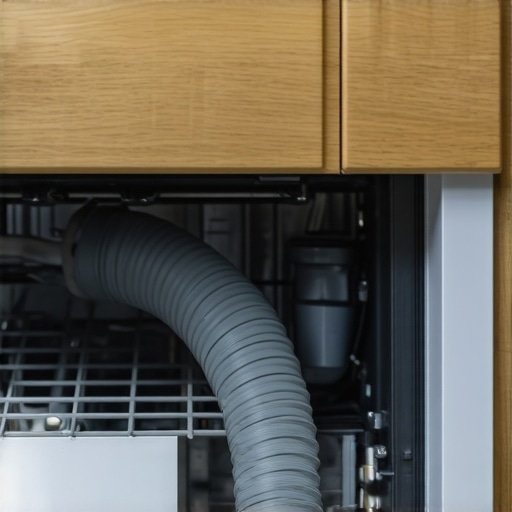
I stood there, barefoot in a kitchen that smelled faintly of old socks and wet dog, staring at a pool of murky, grey water that refused to leave my dishwasher. I’d just finished a long cycle, but instead of sparkling plates, I had a swamp. My first instinct was to panic and start browsing for how to choose the best dishwasher to replace this seemingly broken one. I even spent an hour Googling why my dishwasher still has standing water in the filter area despite it being relatively new. It turns out, I was about to spend five hundred dollars to fix a five-cent problem: a pinched piece of plastic tucked away where I couldn’t see it. Today, I’m going to save you that same heartache and help you identify if your machine is struggling against a kinked hose before you waste money on a service call. [image_placeholder_1]
Is a simple kink really enough to stop a whole machine?
Actually, yes. I made the mistake of thinking these hoses were tough enough to handle being shoved back into a tight cabinet corner with brute force. I was wrong. Modern high-efficiency pumps are incredibly sensitive to pressure changes. If that water can’t flow freely, the whole system just gives up to protect the motor.
The Stealthy Saboteur Hiding Behind Your Cabinetry
It’s easy to ignore what’s happening in the dark, cramped space behind your sink. But that’s exactly where the trouble starts. When we install these things—or even just shove them back after investigating the easiest way to clean the filter—that flexible plastic hose can fold like a cheap lawn chair. According to data from the Association of Home Appliance Manufacturers (AHAM), improper installation, including pinched or restricted drain lines, remains a leading cause for performance-related service calls that aren’t actually mechanical failures. This is why you need to know how to fix a dishwasher that leaves water in the bottom before you assume the motor is fried. Have you ever noticed your machine suddenly getting louder or failing to finish its cycle on time? When the hose is restricted, your pump works double time. It’s like trying to run a marathon while breathing through a straw. Eventually, you’ll find yourself looking for how to manually drain a dishwasher just to get the door open without a flood. We need to catch this early. If you’ve been noticing a weird smell, soggy dishes, or a groaning sound during the drain phase, don’t ignore it. Let’s dive into the specific red flags that scream your hose is in a bind.
Rip Off the Band-Aid and Check the Kickplate
First things first, you need to see what you’re dealing with. Most people assume they need to pull the whole machine out, but often the kink happens right at the junction where the hose leaves the unit. I remember wrestling with my own unit, sweating and cursing, only to realize the kickplate—that thin metal or plastic strip at the floor level—was pinching the line against the floor joist. Take a screwdriver and remove those two screws at the bottom. Once that plate is off, you’ll likely see a bird’s nest of wires and a thick, corrugated hose. If that hose is flattened or pressed against a leg, you’ve found the reason why your dishwasher still has standing water in the filter area. Don’t just yank it; move the obstruction and see if the water starts to flow.
The Flashlight Test for Stealthy Bends
Grab the brightest light you own. You’re looking for any part of that hose that doesn’t look perfectly round. If it looks like a pinched straw, you’ve found your culprit. When I first did this, I found a kink so sharp it had actually started to discolor the plastic from the stress. I thought about using a coat hanger to ’round it out,’ but that’s a recipe for a flood. Instead, you need to gently massage the plastic back into shape while the hose is warm. If the plastic has ‘memory’ of the kink, you might need to apply a tiny bit of heat from a hairdryer—just enough to make it pliable, not enough to melt it. 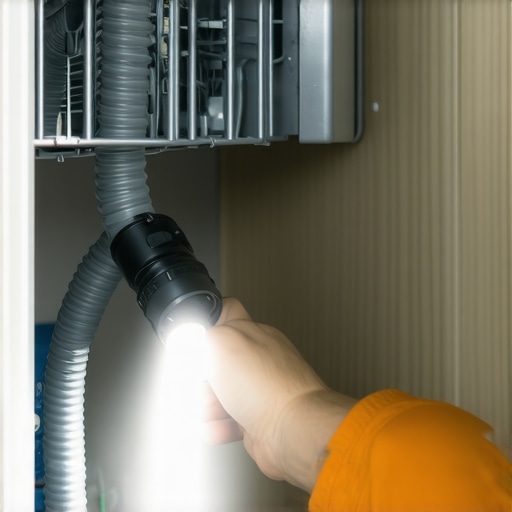
The Tug and Re-route Strategy
If the kink is further back, you’ll need to slide the dishwasher out just a few inches. Be careful not to strain the water supply line—that’s a different headache entirely. As you pull, watch the drain hose. Usually, these kinks happen because there’s too much ‘slack’ in the line. Think of it like a garden hose; if you have twenty feet of hose for a five-foot garden, it’s going to loop and snag. You want a smooth, upward slope toward the sink drain. This is similar to how modern washing machines that save water require specific drainage heights to function. While you’re back there, it’s also the perfect time to learn the easiest way to clean the filter since the machine is already partially accessible.
Stop the Kink from Coming Back
Once you’ve straightened the line, you have to ensure it stays that way when you push the machine back in. I used a simple zip-tie to anchor my hose to the back of the cabinet frame. This keeps the ‘high loop’ intact, which is vital for preventing dirty sink water from backflowing into your clean dishes. If you ignore this, you’ll eventually need to know how to fix a dishwasher that leaves water in the bottom all over again. A steady, uninhibited flow is the only way to how to quiet down a noisy dishwasher pump fast, because the motor won’t be screaming under the pressure of a blockage. If the hose feels brittle or keeps collapsing, it might be time to replace the line entirely rather than risking a future puddle.
Once you’ve straightened that hose, you might think you’re in the clear. But here is the hard truth I learned after talking to three different repair techs: sometimes the clog isn’t outside the machine; it’s a chemical sludge we create ourselves. We’ve been conditioned to believe that more bubbles equal more clean. In the world of modern high-efficiency (HE) appliances, that’s actually a recipe for disaster. Most people think they are doing their machine a favor by over-pouring detergent, but why your washer doesn’t need a whole cup of detergent to get clothes clean is rooted in chemistry. When you over-sud, those bubbles act as a cushion, preventing the mechanical action of the water from actually scrubbing your dishes or clothes. Worse, that excess soap builds up a biofilm inside the drain lines that mimics a physical kink.
The Great Soap Myth That Clogs Your System
I used to be a ‘double-pod’ person until I realized I was literally drowning my machine’s sensors. Experts from the American Cleaning Institute (ACI) emphasize that modern HE detergents are highly concentrated; using too much creates ‘suds lock,’ a condition where the pump can’t move water because it’s only grabbing air and foam. This leads to the exact same symptoms as a pinched hose: standing water and error codes. If you are still using old habits on new tech, you need to understand the truth about high-efficiency detergent in old washers and new ones alike. You aren’t just wasting money; you are coating your drain pump in a sticky residue that eventually hardens like arterial plaque. Have you ever fallen into this trap? Let me know in the comments if you’ve been guilty of the ‘extra scoop’ habit.

Why does my high-efficiency machine run for three hours?
This is the most common complaint for anyone moving from a 1990s clunker to a 2025 model. You might think the machine is broken or inefficient because it takes so long, but it’s actually the opposite. To save energy and water, these machines use less heat and lower water volume, compensating with time. When you see why your high-efficiency washer uses barely any water, remember that it’s designed to ‘dwell’—letting the enzymes in the soap do the work that boiling water used to do. If you interrupt these long cycles because you’re impatient, you’re often leaving behind undissolved solids that contribute to the very clogs we’ve been discussing.
The Trap of the Quick Wash Setting
Here is a nuance most manuals gloss over: the ‘Quick Wash’ or ‘Express’ cycle is often the worst thing for your machine’s longevity if used daily. These cycles don’t always reach the temperatures necessary to break down animal fats or heavy grease. Over time, this grease solidifies in the cold spots of your drain hose—usually right where a small kink or bend exists. It’s a cumulative failure. If you find your machine constantly stopping, you might need to learn how to fix a smart washer that keeps pausing mid-cycle before the internal sensors give up entirely. I started running a ‘Sanitize’ or ‘Heavy’ cycle once a week just to flush the system, and the why your new washing machine smells like chemicals or mold issue vanished instantly. Don’t let your desire for speed ruin your plumbing.
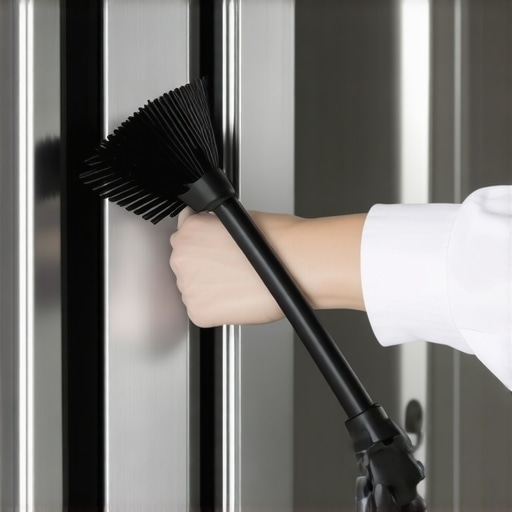
I learned the hard way that a “set it and forget it” attitude is the fastest way to a $400 repair bill. If you want to scale the lifespan of your kitchen setup, you need to treat it like a car—meaning regular “oil changes” for your sensors and filters. I swear by two specific tools that cost less than a pizza: a 24-inch flexible refrigerator brush and a basic digital probe thermometer. The brush is non-negotiable because pet hair and dust are the silent killers of compressors. I use it once every six months to how to keep your refrigerator coils clean in a pet-friendly home, ensuring the heat can actually escape the unit. If those coils are choked, your fridge works twice as hard, leading to that annoying “whirring” sound we all dread.
How do I keep my high-end appliances running like new?
Consistency beats intensity every time. Instead of a deep clean once a year, I focus on the “gatekeepers” of efficiency. For the fridge, that’s the door seal. I use the dollar bill test—close the door on a bill; if it pulls out easily, your seal is failing and your money is leaking out. This is the secret to making your refrigerator last twice as long. For the dishwasher, it’s about the gasket. I personally use a soft toothbrush and white vinegar to how to deep clean the gasket on your dishwasher to prevent leaks, focusing on the bottom corners where gunk accumulates. Steve Sheinkopf from Yale Appliance notes in their 2024 Reliability Report that refrigerators are the most serviced appliance category, largely due to cooling system strain—strain that is almost always preventable with basic airflow maintenance.
The Proactive Tech Checklist You Actually Need
Once the physical hardware is clear, I move to the digital side. I’ve found that many “cooling issues” are actually just sensor glitches. I use my digital thermometer to check if the internal air matches the display. If it’s off by more than two degrees, I follow the steps on how to calibrate your smart fridge temperature sensors to keep my milk from spoiling. It’s also worth hunting for the secret drain filter at the bottom of your fridge you never knew existed. Most people don’t realize that if this tiny drain pan gets clogged, it can lead to ice buildup that mimics a broken defrost heater.
What the Future of Kitchen Maintenance Looks Like
Looking ahead, we are moving toward an era of “self-healing” appliances. I predict that by 2026, the future of home appliances trends to watch in 2025 will shift from simple Wi-Fi connectivity to predictive AI that can sense a hose kink or a clogged filter before the water even pools. Until then, we are the first line of defense. If you want a truly ultimate guide to smart home appliances for a modern living experience, you have to be willing to get on your hands and knees once a quarter. My final advanced tip? Take five minutes tonight to check your fridge’s “level.” A slight tilt forward can prevent the door from sealing properly. It’s the smallest adjustments that make the biggest difference in your utility bill.
What I Learned While Crawling Under My Sink
Efficiency is a trade-off that most of us don’t fully appreciate until the water starts pooling. We often assume faster is better, but as we’ve seen with why your energy-efficient washer takes so long to finish, patience actually saves your internal components. Modern machines are like high-performance cars; they need specific conditions to thrive rather than just power. I’ve realized over the years that the sound of your machine is actually a language. A steady hum is perfect, but if you hear a sharp sound, you should check out why your fridge sounds like its whistling at you before calling an expensive professional. Finally, maintenance isn’t a massive weekend chore; it is a series of tiny habits. Taking ten minutes once a month to how to deep clean the gasket on your dishwasher to prevent leaks can literally add five years to your appliance’s life.
The Gear That Keeps My Home Running Smoothly
You don’t need an industrial tool belt to keep your kitchen in check. I swear by a few simple items that have saved me thousands in repair bills over the last decade. First, a flexible coil brush is mandatory if you want to how to keep your refrigerator coils clean in a pet-friendly home. Second, never underestimate the power of a simple dollar bill—it is the most reliable tool to how to test if your fridge door seal is actually airtight. For those looking for a broader perspective on reliability, I always recommend checking AHAM reports for choosing the right refrigerator tips from industry experts. These sources provide a level of data that marketing brochures simply cannot match. [image_placeholder_final]
Step Into a Stress-Free Kitchen
You do not need to be a master plumber to keep your home running like a well-oiled machine. By staying proactive and keeping an eye on the future of home appliances trends to watch in 2025, you can navigate these common technical hiccups with total confidence. Your dishwasher, your laundry room, and your budget are worth the small effort of a quarterly check-up. Have you ever found a surprising object or a simple kink clogging your drain line? Let me know in the comments below!