
I am standing in my kitchen at 9:00 PM on a Sunday, staring at a mountain of glass containers and a fridge that looks like a game of Tetris gone horribly wrong. Last week, I forgot about three pounds of marinated chicken because it was buried under a giant bag of kale that I also forgot to eat. That was twenty dollars straight into the trash. It was not just the money; it was the total defeat of my health goals for the week. I realized right then that my standard, old-school fridge was the biggest bottleneck in my lifestyle. If you have ever felt that soul-crushing moment when you find a science project growing in the back of your crisper drawer, you know exactly what I am talking about. We spend hours chopping and sautéing, only for our appliances to hide our hard work until it is too late.
Stop Fighting Your Fridge Every Sunday
I used to think a refrigerator was just a cold box, but after years of meal prepping for a family of four, I have learned that the wrong layout can ruin even the best intentions. Early on, I made the classic mistake of buying a fridge based on the shiny stainless steel finish rather than how the shelves actually accommodated my stackable bins. I ended up with a unit where I could not even fit a standard baking sheet—a total nightmare for someone who batch-cooks roasted vegetables every weekend. Choosing a smart appliance is more about your specific kitchen workflow than just buying a fancy gadget, which is why choosing the right refrigerator tips from industry experts became my personal obsession. Today, I am going to show you how a smart fridge can actually save your sanity by keeping your inventory front and center so nothing ever goes to waste again.
Does a Computer in the Door Actually Help?
I know what you are thinking because I was the biggest skeptic in the room: “I do not need my fridge to tweet; I just need it to stay cold.” But for those of us who live by the prep, the smart features are not about social media. They are about the internal cameras that let you see you are actually out of eggs while you are standing in the dairy aisle at the grocery store. According to the Natural Resources Defense Council (NRDC), the average American family wastes about $1,500 of food every year. A smart fridge cuts that down by sending a notification to your phone when your spinach is about to hit its expiration date. It is about using data to manage your kitchen better. Have you ever bought a second jar of expensive pesto only to find a full one hiding behind the almond milk? Tell me I am not the only one! By the time we are done today, you will know which refrigerators in 2025 top features are actually worth your hard-earned cash and how to finally organize your freezer to prevent frost burn for good.The first step in transforming your kitchen into a high-efficiency machine is establishing a rock-solid connection. Think of your home network as the bridge between your sanity and your Sunday night prep. If that bridge is shaky, those high-tech notifications will fail you exactly when you are at the grocery store. I have seen so many people get frustrated when their apps stop syncing, but usually, the culprit is why your smart appliance app keeps asking for a firmware update. It is like a brain transplant for your fridge to keep it talking to your smartphone. Taking two minutes to run that update prevents the ‘offline’ headache during a busy week. Just as you would maintain a washing machine that saves water, your smart fridge needs that digital maintenance to keep its sensors sharp.
Mastering the Logistics of Your Smart Kitchen
Get Your Kitchen Talking to Your Router
Beyond the initial setup, you need to manage your ‘digital inventory’ as carefully as you manage your actual food. Most refrigerators in 2025 top features allow you to tag items with expiration dates the moment you slide them onto the shelf. It sounds tedious, but it actually takes less time than searching for a lost lid. If you treat your fridge like a filing system, the AI can alert you when that expensive organic chicken is three days from expiration. A smart fridge is only as smart as the data you give it.
Stop Hiding Your Food in Dead Zones
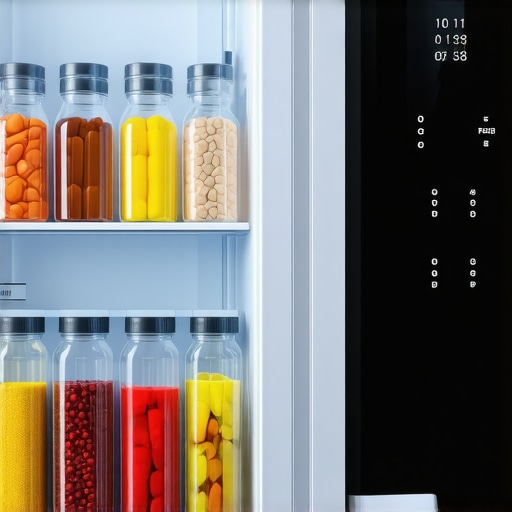 Every smart fridge has specific blind spots. If you shove a giant stockpot right in front of the internal lens, you are effectively flying blind. I learned this lesson the hard way during a heavy meal-prep session last month. I had spent hours roasting vegetables and portioning them out, only to block the camera with a tall pitcher of iced tea. When I was at the supermarket later that evening, I checked my phone to see if I needed more kale, but all I saw was a blurry, amber wall of tea. I ended up buying double the produce, half of which turned into a science project by Friday. You should also check why your smart fridge camera looks blurry after six months because a quick wipe of the lens can be the difference between a clear view and total grocery store confusion. Keeping your sightlines clear is the only way to ensure your ‘smart’ appliance actually stays smart.
Dial in the Cold to Save Your Groceries
Temperature management is where the ‘science’ of food storage happens. Much like innovative dishwashers with AI technology adjust their cycles based on how dirty your plates are, your fridge needs to adjust based on the load. If you pack the shelves too tightly, you stop the air from moving, creating dangerous warm pockets. I once found my eggs frozen solid because I had blocked the main air vent with a tray of lasagna. Learning how to recalibrate your refrigerators internal thermometer for better cooling is essential for keeping delicate produce fresh. When you balance the airflow and the thermometer is accurate, you are also effectively learning how to save money on your electric bill by changing three fridge settings without sacrificing the quality of your food. It is about working with the appliance’s hardware rather than fighting against it.One of the most persistent myths I see is the ‘more is better’ philosophy when it comes to detergent. In my experience, if you have a high-efficiency machine, using a full cap of soap is actually sabotaging your laundry. Modern machines use so little water that excess soap simply cannot be rinsed away, leading to a swampy smell in the drum and potential hardware failure. I always recommend learning the secret to using less detergent in your high efficiency washer to avoid that dreaded mold buildup. It is a classic ‘oops’ factor: you think you are cleaning better, but you are actually creating a breeding ground for bacteria. Similarly, stop scrubbing your plates before they go in the dishwasher. Innovative dishwashers with AI technology use turbidity sensors to measure how dirty the water is. If your plates are already spotless, the machine thinks the job is done and runs a shorter, weaker cycle, which actually leaves your glassware looking dull and unsterilized. Expert research from the American Cleaning Institute suggests that modern enzymes in detergents actually need food particles to latch onto to function correctly. If you pre-rinse everything, you are effectively leaving those chemicals with nothing to do but attack your finishes, leading to the dishwasher detergent mistake that is etching your favorite glassware. 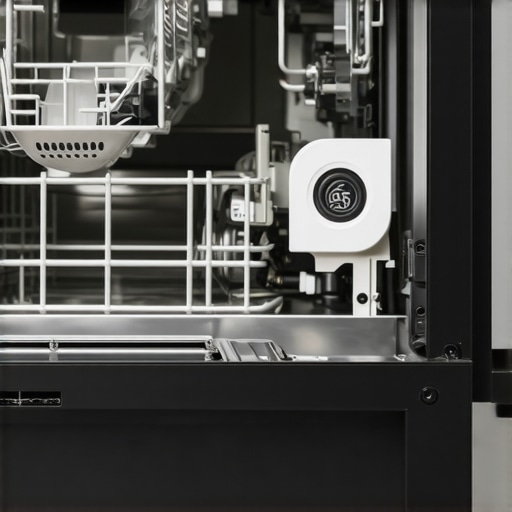
Why Does Your High-Efficiency Washer Leave White Streaks on Dark Clothes?
This is the number one question I get from people who have just upgraded to a smart laundry suite. It usually is not a machine defect, but a failure to account for water volume. When you overfill the drum, the clothes cannot move freely, and the detergent gets trapped in the folds of the fabric. You might think you are being efficient by cramming in one last towel, but you are actually forcing the machine to work harder while doing a worse job. This is particularly common if you are not using the steam setting on your washer for better stain removal, which can help break down those residues. To get the most out of your ultimate guide to smart home appliances for a modern living, you have to respect the load limits. Have you ever fallen into the ‘extra soap’ trap or spent twenty minutes pre-rinsing dishes that were already clean? Let me know in the comments because I have definitely been there too! Mastering these nuances is the real secret to making your home run like a well-oiled machine rather than a source of Sunday night stress.It is one thing to buy the latest gear, but it is another to keep it from smelling like a locker room two months later. I keep a dedicated maintenance kit in my laundry room that I swear by. It is not fancy—just a stiff nylon brush, a bottle of white vinegar, and a narrow-head screwdriver. Why the screwdriver? Because most people never realize that the hidden sensor in your dishwasher needs a manual scrub occasionally to prevent it from misreading the water quality and leaving your plates greasy. I have spent too many hours on my hands and knees dealing with a swamp smell in my laundry room to ignore basic upkeep. If you have a front-loader, you must learn how to clean the debris filter on your front load washer effectively. I found a stray dime and a clump of dog hair in mine last month that was literally choking the pump. It is these tiny, tactile tasks that ensure your ultimate guide to smart home appliances for a modern living remains a reality rather than a series of expensive repair bills.
How do I keep these high-tech machines running like new for a decade?
The secret is consistency over intensity. Instead of waiting for a breakdown, I run a monthly ‘refresh’ cycle on everything. For my dishwasher, that means checking the easiest way to clean the filter in your dishwasher and ensuring the spray arms can spin freely. If the holes are clogged with hard water deposits, you are just throwing money away on detergent. I use a toothpick to clear each individual nozzle on the spray arms to maintain how to clean the internal spray arms of your dishwasher for better flow. For the washer, I always leave the door ajar after a cycle to prevent moisture from being trapped in the seal. Taking the time to prevent mold growth in your washing machines door seal is much easier than trying to scrub it away once it has taken hold. 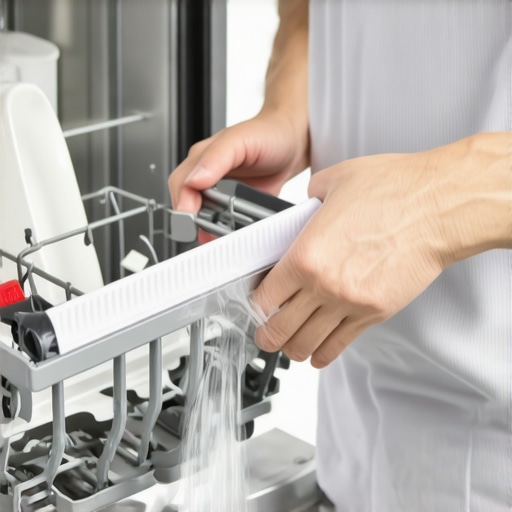
The Future of Your Kitchen is Self-Diagnosing
Looking ahead, the industry is shifting toward proactive maintenance. I predict that by 2026, we will see future of home appliances trends to watch in 2025 lean heavily into AI-driven ‘self-healing’ systems. Imagine a fridge that detects a slightly declining compressor efficiency and automatically adjusts its defrost cycle to compensate before you even notice a temperature drop. According to technical documentation from the Association of Home Appliance Manufacturers (AHAM), a neglected filter can reduce the efficiency of a high-end unit by up to 30% within the first year. We are moving toward a world where your top smart appliances for a seamless home experience in 2025 will order their own replacement filters before the water even starts to taste off. For now, we still need to do the heavy lifting. I want you to go into your kitchen tonight and pull out that dishwasher filter—if you have never cleaned it, be prepared for a shock. It is the single most impactful thing you can do to improve your machine’s performance immediately.
The Hardest Lessons I Learned Managing My Own Smart Kitchen
Looking back at my first year with a fully connected kitchen, the biggest lightbulb moment wasn’t about the fancy touchscreens. It was realizing that technology doesn’t replace maintenance; it just makes it more precise. For example, I used to think my dishwasher was failing because the dishes stayed wet, but I simply didn’t know about the hidden sensor in your dishwasher that needs a manual scrub. Once I cleaned that little plastic piece, the drying cycle worked perfectly again. I also had to unlearn decades of “more soap equals cleaner clothes” thinking. If you see residue on your laundry, it is a sign that your high efficiency washer leaves white streaks on dark clothes because of oversuds. Learning the secret to using less detergent in your high efficiency washer was the best gift I ever gave my clothes and my plumbing. My biggest takeaway? Listen to the machine, but verify with your own eyes.
My Essential Toolkit for Keeping Everything Running Like Day One
If you want your investment to last a decade, you need a strategy that goes beyond just pushing the ‘Start’ button. #IMAGE_PLACEHOLDER_E# First, I always keep a bottle of distilled white vinegar handy for cleaning mineral buildup, though you should understand the truth about using white vinegar in your high efficiency dishwasher before you start pouring it in every cycle. Second, if your home has digital dead zones, look into the easiest way to connect an older smart fridge to a new mesh network to ensure you never lose that vital grocery store camera feed. Finally, I highly recommend keeping an ultimate guide to smart home appliances for a modern living as a digital bookmark so you have a quick reference when an unfamiliar error code pops up during your busiest hour.
The Future of Your Modern Home Starts with One Small Step
Transforming your daily routine isn’t about buying the most expensive model on the showroom floor; it’s about making smart home appliances work for your specific lifestyle. Whether you are meal prepping for a busy family of four or just trying to keep your favorite gym gear from smelling like a swamp, these machines are your partners in productivity. Don’t let the technology intimidate you or the maintenance schedule overwhelm you. Start by cleaning just one filter tonight and watch how much smoother your next Sunday prep session becomes. Have you ever had a smart appliance fail you at the worst possible moment, or did a simple maintenance trick save your day? Let me know in the comments below!