
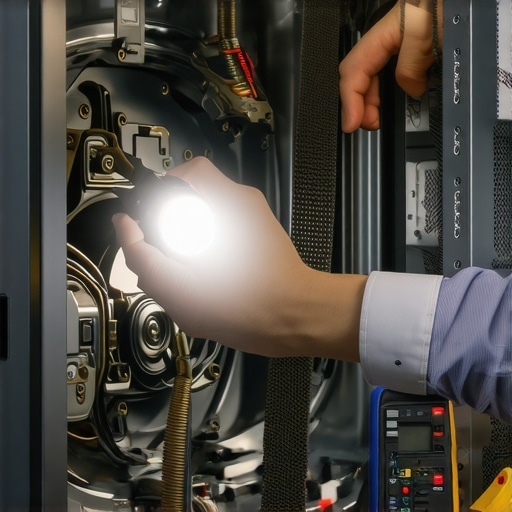
I stood there in my laundry room last Tuesday, staring at a pile of towels that were supposedly finished but felt like they’d been pulled straight from a swimming pool. The timer said zero, but my clothes were heavy, dripping, and clearly hadn’t seen a high-speed spin in years. It’s that sinking feeling, isn’t it? You’ve got a busy day ahead, and now you’re staring at a machine that refuses to do its one job. If you’ve ever wondered why your clothes still feel damp after the cycle, you aren’t alone. Today, I’m going to walk you through exactly how to figure out why your washer is acting like it’s on a permanent coffee break and how to get that drum roaring again.
My Laundry Is Still Heavy and Sopping Wet
It’s easy to panic and think you need a brand-new machine the second things go sideways. Trust me, I’ve been there. Early in my DIY journey, I actually called a repairman out and paid a massive service fee just for him to pull a stray penny out of the drain filter. I felt like a total amateur. But that mistake taught me a valuable lesson: most spin issues are actually simple fixes if you know where to look. We are going to look at everything from how to fix a washing machine that keeps banging during spin to the hidden sensors that might be lying to your control board. I spent years thinking every weird noise meant a thousand-dollar repair, but often, it’s just about fixing a machine that stops mid-cycle without throwing a clear code.
Is My Machine Just Reaching the End of the Road?
You might be skeptical. Maybe your washer is ten years old and you’re convinced the motor is shot. But did you know that many broken machines are just suffering from a simple imbalance or a clogged hose? According to research from Consumer Reports, nearly a quarter of all appliance repairs could be avoided with regular maintenance and proper loading. Before you go shopping for washing machines that save water, let’s see if we can save the one you already have. Have you ever noticed your machine vibrating like it’s trying to launch into space? Tell me, have you ever caught your washer walking across the laundry room floor? We’re about to dive into the nitty-gritty of drain pumps, drive belts, and the common unbalanced load error that stops a spin cycle dead in its tracks.
First Check the Easiest Fix Possible
Think of your washing machine’s drain pump like a heart; if the valves are clogged, the whole system fails. If your machine isn’t draining, it physically cannot spin fast enough to extract moisture. I remember a humid Tuesday when my washer just gave up. I was certain the motor was fried. I spent an hour dreading the repair bill until I finally checked the debris filter. Nestled inside was a single, lonely Lego brick and a handful of matted pet hair. The second I cleared it, the machine roared back to life. You absolutely must learn how to clean the debris filter on your front-load washer effectively before you even think about buying a replacement. If the water can’t get out, the clothes stay heavy, and the spin cycle simply quits to protect the motor from burning out. 
Balance the Drum to Stop the Shaking
Modern machines are incredibly sensitive. If you are washing a single heavy bath mat or a king-sized duvet, the machine’s internal sensors will detect an off-kilter weight. It’s like trying to run while carrying a bowling ball in only one hand; you’re going to stumble. When the sensor feels this wobble, it slows the spin down to a crawl. This is often why your clothes are still soaking wet after the final spin cycle. You need to pause the machine and manually redistribute the load. If the machine itself is rocking on the floor, you might need to learn how to level a washing machine so it stops banging on tile floors. A stable machine is a fast-spinning machine.
Inspect the Hidden Mechanical Parts
Look for Kinked Hoses and Blocked Lines
Sometimes the problem isn’t inside the drum, but behind it. I once pushed my washer too far back against the wall after cleaning, unknowingly crimping the drain hose. It was like trying to drink a thick milkshake through a pinched straw. The pump was working overtime, but the water had nowhere to go. Always pull the machine out and ensure that corrugated hose has a clear, smooth path to the standpipe. If you find yourself in a situation where the tub is full and won’t budge, you’ll need to know how to drain a washing machine when the power goes out to avoid a flood in your laundry room.
Reset the Digital Brain
In our era of smart technology, sometimes the software just gets confused. A power surge or a mid-cycle interruption can leave the control board in a loop. If your machine seems to be spinning but never reaches top speed, try a hard reset. Unplug it for ten minutes to let the capacitors discharge completely. This often solves the mystery of how to fix a smart washer that keeps pausing mid-cycle. Once it reboots, it can properly recalibrate the weight of the load and hit those high-speed RPMs needed to get your jeans dry.Let’s dig deeper into the nuances that even the manuals don’t always spell out clearly. We have been taught for decades that more water and more soap equals cleaner clothes, but in the world of modern appliances, that is actually a recipe for disaster. Many homeowners think they are doing their machine a favor by hitting the ‘Deep Fill’ button every time. I used to be guilty of this too. I figured if the clothes weren’t swimming, they weren’t getting clean. But here is the contrarian truth: modern high-efficiency machines are engineered to use the friction of the clothes rubbing against each other to scrub out stains. When you flood the drum, the clothes just float around, losing that crucial mechanical action. This is why your high-efficiency washer uses barely any water—it is by design, not a defect. 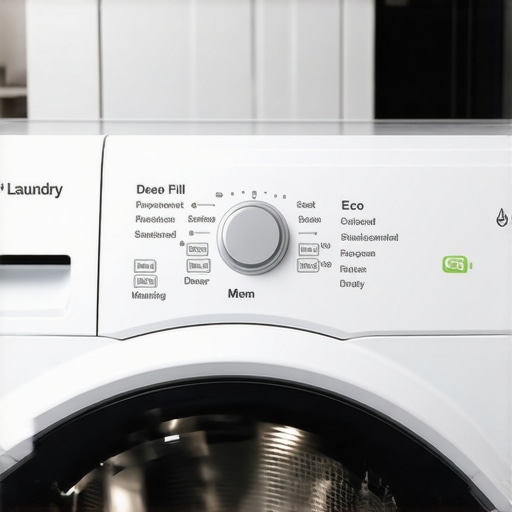 Then there is the ‘Oops’ factor that almost everyone falls for: the detergent trap. If you see a mountain of bubbles through the glass, you have already lost. Modern sensors are incredibly sensitive to ‘sud-lock.’ If the control board detects too much foam, it will trigger extra rinse cycles or, worse, stop the spin cycle entirely to prevent the pump from cavitating. You need to learn the secret to using less detergent in your high-efficiency washer. Most people use two to three times the amount actually required. Over time, this excess soap creates a waxy buildup called ‘scrud’ that traps smells and bacteria. Have you ever noticed a funky odor even after a cleaning cycle? That is likely the culprit.
Why Does the Eco Setting Take Three Hours to Finish?
It sounds counterintuitive, right? If it is ‘Eco,’ shouldn’t it be faster? This is one of the most common complaints I hear from people moving from old-school machines to new smart units. However, the Association of Home Appliance Manufacturers (AHAM) explains that to save energy, machines have to swap heat for time. It takes significantly less electricity to tumble clothes for two hours in lukewarm water than it does to heat water to 140 degrees for a quick 40-minute blast. This is exactly why your energy-efficient washer takes so long to finish. It is a marathon, not a sprint, and understanding that logic can save you from thinking your machine is ‘stuck’ when it is actually just being frugal. Before you go out and look for the most reliable washing machines for large families with heavy loads, check your settings one more time. Are you using the ‘Extra Rinse’ on every load? You might be accidentally wearing out your pump and increasing your utility bill for no reason. I also see people using the ‘Sanitize’ button for every single load. Stop! That is one button on your washing machine that actually ruins your delicates by breaking down the elastic fibers with extreme heat. Have you ever fallen into this trap of thinking more is better? Let me know in the comments if you have been ‘over-sudsing’ your laundry! If you are still having trouble, you can always contact us for more specific advice on your model.I don’t just stop at laundry; I apply this same ‘less is more’ philosophy to my kitchen and utility room. To keep things running smoothly, I’ve started keeping a small specialized toolkit right under the sink. It isn’t just for show—having a 10mm offset wrench handy has saved me hours of frustration when I need to level a washing machine so it stops banging on tile floors. I also swear by a dedicated long-reach coil brush. If you have pets, you wouldn’t believe the amount of fur that gets sucked into your fridge’s undercarriage. You need to know how to keep your refrigerator coils clean in a pet-friendly home because that dust acts like a thermal blanket, forcing the compressor to work twice as hard. According to technical documentation from the Association of Home Appliance Manufacturers (AHAM), dirty coils can increase energy consumption by up to 30%, which is a massive waste of money and puts unnecessary strain on your appliance’s heart.
How do I maintain these high-tech machines over the long haul?
The biggest secret to longevity isn’t an expensive service plan; it’s consistency and knowing where the gunk hides. For my dishwasher, I’ve stopped just ‘hoping’ it cleans and started checking the parts you’re actually allowed to touch. Every few months, I pull the spray arms out entirely. If you haven’t done this, you need to learn how to clean the internal spray arms of your dishwasher for better flow. You’ll often find tiny bits of plastic or seeds wedged in the nozzles that no amount of vinegar or cleaning cycles will ever dissolve. 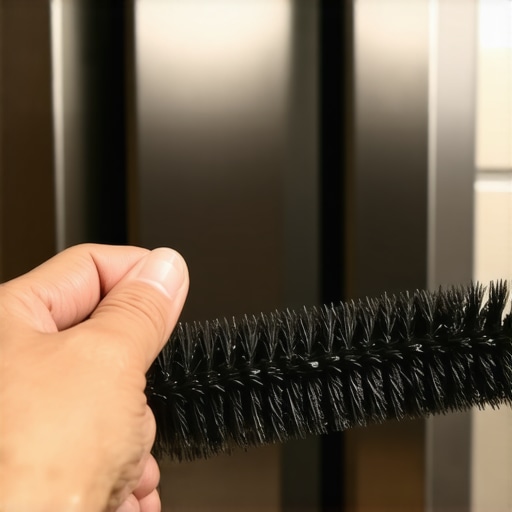 Looking toward the future of home appliances, I predict we are going to see even more focus on self-diagnostic sensors and AI-driven predictive maintenance. We’re already seeing this with machines that tell you exactly why your smart appliance app keeps asking for a firmware update. These updates aren’t just for new features; they often optimize the motor algorithms based on real-world data from thousands of users to prevent mechanical failure. If your fridge screen is acting up or getting laggy, don’t ignore it—knowing how to hard reset your smart refrigerator control panel can save you from a software glitch that might otherwise lead to cooling issues. Before you give up on a sluggish machine, I want you to try this one advanced tip: check your dishwasher’s drain line for a ‘high loop’ or air gap. Without it, dirty water siphons back into your machine, which is often why your dishwasher isn’t draining properly. Spend five minutes checking that hose today!
Hard Truths I Learned After Flooding My Laundry Room Twice
Looking back on years of tinkering, I realize that most of my “broken” appliances were just misunderstood. First, stop treating detergent like it is a magic potion; the more you use, the faster you kill your machine’s internals. Second, never ignore a new vibration. If your machine starts dancing, it is not a quirk—it is a cry for help. Finally, I have learned that the digital brain is just as sensitive as the mechanical heart. Sometimes a simple firmware update is the only difference between a dead washer and a perfectly functioning one.
My Personal Gear List for DIY Appliance Care
If you want to move beyond just basic troubleshooting, I highly recommend keeping a few resources handy. I always keep the ultimate guide to smart home appliances bookmarked for when the tech gets too complex. For physical tools, a simple 10mm offset wrench is your best friend for leveling legs, and a specialized long-reach coil brush will save your fridge from overheating. I also check the future of home appliances reports annually so I know which parts are becoming obsolete and which ones are worth fixing. #IMAGE_PLACEHOLDER_E#
Take Charge of Your Laundry Room Destiny
You do not need to be a professional technician to keep your home running smoothly. By paying attention to the small details and not panicking when things go quiet, you can solve almost any issue yourself. No one likes finding out why your clothes still feel damp after the cycle on a busy Monday, but now you have the tools to handle it. Start small, stay curious, and your appliances will reward you with years of faithful service. Have you ever found a bizarre object hidden in your machine’s debris filter? Tell me your funniest discovery in the comments below!