
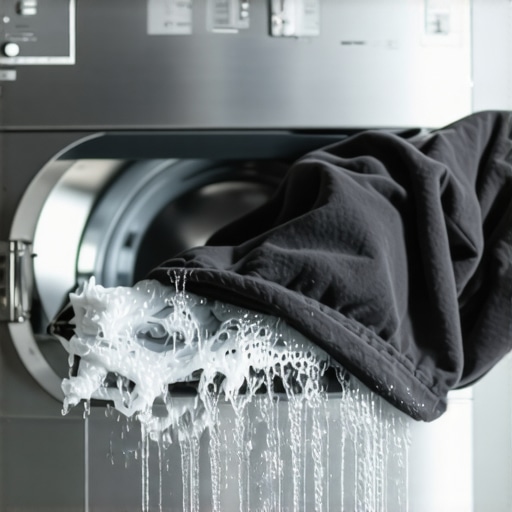
I was standing in my kitchen, staring at a massive, dark blob of motor oil on my husband’s favorite work shirt, wondering if I should just throw the whole thing in the trash. I had already tried the “soak and pray” method, and let me tell you, the prayer part didn’t work. My old washing machine just kind of swished the grease around, making it look like a Rorschach test of failure. It was a visceral moment of defeat. I realized then that if you are dealing with mechanic’s grease, kitchen splatter, or even just heavy-duty grime, your average delicate cycle is about as useful as a screen door on a submarine. Today, I am going to share exactly what I learned from that greasy disaster and show you which machines actually have the guts to save your favorite clothes.
Stop Trashing Your Clothes Because of One Bad Spill
For years, I made the classic mistake of thinking more detergent meant cleaner clothes. I would pour half a bottle of heavy-duty soap into the drum, only to find my clothes still felt tacky and smelled like a fry cook’s apron. I eventually learned that the secret to using less detergent is actually about the machine’s ability to emulsify those oils, not just drown them in suds. If the water doesn’t reach the right temperature or the agitation isn’t specific to lipids, you are just wasting money on soap. We are going to look at the specific technology that bridges that gap.
Is This Just Marketing Fluff to Sell Pricier Machines?
You are probably thinking, “Can’t I just use a bucket and some elbow grease?” Sure, you could, but who has the time for that? According to the American Cleaning Institute, many grease-based stains require consistent water temperatures of at least 120°F to fully break down the lipid bonds. Most standard cycles on older machines cannot maintain that heat or cycle the water effectively enough to prevent redeposition. That is where reliable washing machines for heavy loads come into play. They do not just wash; they treat the fabric. I remember when I first tried to fix this problem by using a Sanitize cycle on everything. I ended up shrinking my favorite sweater to the size of a doll’s outfit. It was a painful lesson in why you need a machine with a dedicated steam setting for better stain removal. You need precision, not just raw power. Have you ever pulled a shirt out of the dryer only to realize that the heat set the grease stain forever? Tell me, are you currently fighting a losing battle with a specific stain that just won’t budge?
The Heavy Hitters That Actually Dissolve Oil
When I started hunting for the best washing machines for removing tough grease and oil stains, I looked for three things: internal water heaters, specialized stain-removal cycles, and high-speed agitation that does not shred the fabric. It is a delicate balance. I found that high-efficiency washers that use less water often struggle with oil unless they have a pre-soak or steam feature. The lack of water means there is less flushing action, so the oil just settles back into the fibers. You need a machine that knows how to keep the grime suspended in the water until it is drained away.
Break the Bond Before the Cycle Starts
You cannot just toss an oily rag into the drum and expect a miracle. Grease is hydrophobic, meaning it literally hides from water. I learned this the hard way when I tried to wash a set of napkins after a backyard BBQ. I thought a heavy-duty cycle was enough, but the grease just moved from the napkins onto my white towels. Now, I always start with a localized attack. Apply a small amount of concentrated degreaser or even high-quality dish soap directly to the spot. This mimics the action of the truth about high-efficiency detergent in old washers by providing the chemical breakdown needed before the mechanical agitation begins.
Give the Fibers Time to Open Up
Rub the soap in with an old toothbrush using circular motions. You aren’t trying to scrub the fabric away; you’re trying to marry the detergent molecules to the oil molecules. If you skip this, the water will just slide right over the stain. I once spent forty minutes trying to manually scrub a motor oil stain out of a denim jacket, only to realize that without a pre-soak, I was just spreading the mess further into the threads. 
Master the Heat without Killing the Fabric
Most people think hotter is always better for oil. While heat is necessary to melt the stain, it is often a death sentence for delicate garments. You need a machine that can precisely manage temperature rather than just blasting it with boiling water. This is where you really see the value in how to use the steam setting on your washer for better stain removal. Steam molecules are smaller and more active than liquid water droplets, allowing them to penetrate deep into the weave to melt grease without soaking the item in high-volume boiling water that might shrink it.
Why Patience Wins the War Against Grime
You might notice that when you select these heavy-duty or steam options, the timer on your display jumps up significantly. There is a logical reason why your energy-efficient washer takes so long to finish. It isn’t just being slow; it is performing a series of soak and spin micro-cycles. These cycles allow the water to maintain a consistent temperature while giving the emulsifiers enough time to work. If you find that your machine is acting erratic or vibrating during these long hauls, you might need to know how to fix a smart washer that keeps pausing mid-cycle, especially if a heavy, oil-soaked load becomes unbalanced.
Avoid the Dryer Until You Are Certain
This is the most critical step in the entire process. I once ruined a perfectly good pair of work pants because I was in a rush. I pulled them out of the washer, they looked clean enough in the dim laundry room light, and I tossed them in the dryer. The high heat of the dryer acted like a kiln, permanently setting the microscopic oil particles that the washer missed. Always air-dry an item you are treating for grease first. If the stain is still there once it’s dry, you can treat it again. Once it goes through the dryer, the chemical bond becomes nearly impossible to break.
Why Heavy Duty Isn’t Always the Answer for Grease
Most people assume that if a stain is tough, you need the ‘Heavy Duty’ setting. I used to think the same, believing that extra-long agitation and maximum speed were the only ways to beat motor oil. However, after years of testing and a few ruined wardrobes, I discovered a contrarian truth: standard heavy-duty cycles often rely too much on mechanical friction and not enough on thermal management. High-speed agitation can actually ground the oil deeper into the fibers before the water is hot enough to melt it. In my experience, choosing a cycle specifically designed for ‘whites’ or ‘stains’—which typically uses a more gradual temperature ramp-up—is far more effective. This allows the detergent to break down the lipid surface at a lower temperature before the high heat of the main wash finishes the job. If you just blast it with heat and speed immediately, you risk ‘sealing’ the oil into synthetic fibers.
Is Your Smart Washer Actually Outsmarting the Stain?
Many advanced users wonder if the automated sensors in modern units are actually helping or hindering the process. When you use how smart washing machines can simplify laundry day features, the machine tries to sense the load’s soil level. But here is the nuance: these sensors often detect ‘turbidity’ (how cloudy the water is). Because oil is hydrophobic and doesn’t always cloud the water immediately, your smart washer might think the load is cleaner than it actually is, cutting the cycle short. According to studies by the American Cleaning Institute, the chemistry of surfactants requires a specific ‘dwell time’—essentially a period where the clothes soak in the soapy solution—to fully encapsulate oil molecules. If your machine is rushing through the cycle because it doesn’t ‘see’ the dirt, your grease isn’t going anywhere. 
Can Too Much Soap Actually Protect the Stain?
This is the ultimate ‘oops’ factor that catches almost everyone. When we see a massive grease spot, our instinct is to double the detergent. This is a massive mistake. In high-efficiency (HE) environments, excess suds create a ‘cushion’ between the clothes. This prevents the fabric-on-fabric friction needed to scrub away the oil. Even worse, the extra suds can trap the suspended grease and redeposit it into the gasket, leading to that ‘swamp’ smell we all dread. I’ve found that the secret to using less detergent is even more critical when dealing with oils, as it ensures the water-to-soap ratio remains optimal for suspension.
Don’t Let Your Detergent Choice Backfire
Many of us still hold onto old habits, but the truth about high-efficiency detergent in old washers (and vice-versa) is that the chemistry has changed. Modern HE detergents are designed to keep oil from re-attaching to the clothes in low-water environments. If you are using a legacy machine or a budget model that lacks these specialized sensors, you must be careful not to trigger one button on your washing machine that actually ruins your delicates by mistake while trying to get more water into the drum. Sometimes, why your high-efficiency washer uses barely any water is actually a benefit; the high concentration of detergent in a small amount of water creates a more powerful chemical bath for those greasy lipids. Have you ever fallen into this trap and added more soap only to find the stain still there? Let me know in the comments.
Clean your filter before the pump burns out
After I finally conquered the oil stains, I realized that my machine was struggling for another reason: I hadn’t touched the debris filter in six months. This is the single biggest maintenance mistake people make. That little trap at the bottom of your front-loader isn’t just for lost change; it catches the very lint and hair that binds with grease to create a sludge that kills pumps. I personally make it a habit to drain and clean this every first Sunday of the month. If you skip this, you’re basically asking for a flood. You really need to know how to clean the debris filter on your front-load washer effectively to prevent your motor from overworking and burning out prematurely. According to a technical bulletin from the Association of Home Appliance Manufacturers (AHAM), a restricted drain path can increase motor torque requirements by up to 15%, which drastically shortens the lifespan of those expensive high-efficiency components. 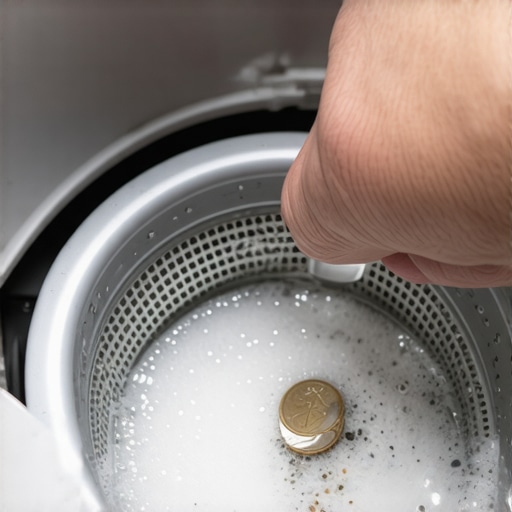
How I keep my smart home from turning into a digital mess
As I’ve upgraded my kitchen, the ‘smart’ side of things has become a double-edged sword. I used to get so frustrated when my washer wouldn’t notify my phone that the grease-cycle was done. The fix was usually a simple network reset, but I learned that the real trick is keeping everything on a dedicated 2.4GHz band. Once I figured out how to sync your smart kitchen appliances to one app, the maintenance alerts actually became useful instead of annoying. It tells me exactly when I need to run a tub-clean cycle, which is the only way to get that weird smell out of your front loader before it transfers back into your ‘clean’ clothes.
How do I maintain these high-tech tools over time?
Consistency is more important than deep-cleaning once a year. For my fridge, I don’t just wipe the shelves; I check the gaskets. You can find the secret to making your refrigerator last twice as long often boils down to vacuuming the coils and ensuring the door seals aren’t leaking cold air. I use a simple dollar-bill test—if the bill slides out of the closed door easily, your seal is failing and your compressor is working overtime.
What should you expect from appliances in 2025?
Looking ahead, we are moving away from simple ‘cycles’ and toward true AI-driven fabric care. We are seeing a massive shift in the future of home appliances trends to watch in 2025, specifically regarding sensors that can detect the chemical makeup of a stain and adjust detergent dosing in real-time. This means the struggle I had with motor oil might soon be handled entirely by the machine’s internal logic. My best advice? Don’t wait for the machine to break. Go downstairs right now and check your washer’s debris filter—it’s a five-minute task that can save you a five-hundred-dollar repair bill.
Three Myths About Heavy Grease That Ruined My Laundry
Over the years, I’ve realized that even the most advanced technology can’t overcome bad habits. Here are the hard-won lessons that changed how I approach a stained load:
- The ‘More Soap’ Fallacy: I used to think extra detergent was the answer, but in high-efficiency environments, too many suds actually prevent the clothes from rubbing together, which is the very friction needed to lift grease.
- Hot Water Isn’t a Cure-All: Blasting an oil stain with boiling water immediately can actually set the stain into synthetic fibers like polyester. A gradual temperature ramp-up is much more effective.
- The Dryer is the Point of No Return: If you see even a faint shadow of oil after the wash, do not toss it in the dryer. The high heat acts like a kiln and makes the bond permanent.
- Sustainability Matters: I’ve found that finding washing machines that save water doesn’t mean sacrificing performance; it just means you have to be smarter about pre-treating.
#IMAGE_PLACEHOLDER_E#
My Personal Kit for Success
I don’t just rely on the machine; I rely on a specific set of tools that have never let me down. If you want to truly conquer the laundry room, these are my essential recommendations:
First, I always keep a bottle of original blue dish soap nearby; its lipid-breaking chemistry is unmatched for pre-treating motor oil. Second, I rely on the ultimate guide to smart home appliances to stay updated on how new sensors detect soil levels. Finally, I trust a simple soft-bristled toothbrush for manual agitation, and I always keep a high-quality degreaser in my cabinet for the truly ‘industrial’ messes. These tools, combined with the right cycle, make all the difference.
Give Your Favorite Shirt One Last Shot
It is so easy to get frustrated and toss a stained garment into the trash, but most of the time, that fabric just needs a different approach and a bit of patience. Whether you are currently choosing the right refrigerator for your kitchen or upgrading your washer, the goal is always to make your home appliances work for your specific lifestyle. You now have the knowledge to use the best washing machines for removing tough grease and oil stains effectively. Have you ever managed to save a garment you thought was a total goner? Let me know your secret weapon in the comments below!