
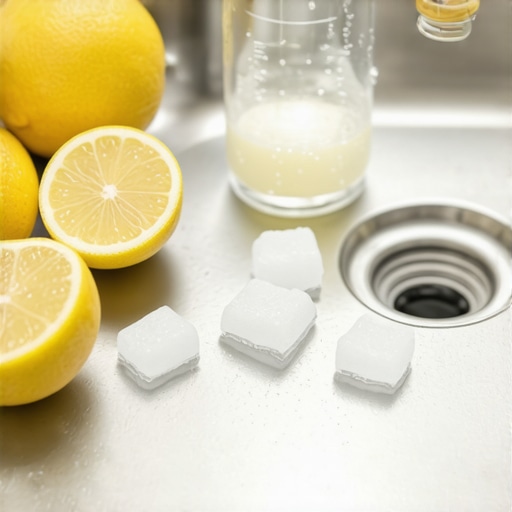
I stepped into my kitchen last Tuesday and was hit by a scent that I can only describe as “forgotten swamp.” I checked the trash—empty. I checked the fridge—spotless. Then I leaned over the sink. Big mistake. My garbage disposal was emitting a stench so powerful I thought something had crawled in there and died. It happens to the best of us, usually right when guests are coming over. We spend so much time choosing the right refrigerator or worrying about why your front-load washer smells like a damp locker room, but we often ignore the literal hole in our sink until it starts screaming for help. Today, I am going to show you how to banish that rot for good using things you already have in your pantry.
That Funky Smell Is Not Going Away on Its Own
Trust me, I tried the “ignore it and maybe it will go away” method. It does not. In fact, it just gets worse. Early in my homeownership days, I made the classic mistake of dumping a gallon of bleach down the drain. Not only did it smell like a swimming pool for three days, but the rotting food smell returned within twenty-four hours. Bleach kills bacteria, but it does not scrub away the “biofilm”—that slimy layer of old grease and food particles clinging to the splash guard and the grinding ring. It is a similar struggle to when you how to prevent mold growth in your dishwasher seal; you have to actually get in there and break down the grime. According to food safety experts at the University of Arizona, the kitchen sink can contain more fecal bacteria than a flushed toilet, largely due to food waste trapped in the disposal. That is why keeping it clean is not just about the smell; it is about hygiene. If your why your dishwasher bottom is full of standing water, you already know how fast things can turn sour. The disposal is no different. Have you ever been embarrassed by a mysterious kitchen odor when someone walked through your front door?
Can kitchen staples actually handle the heavy lifting?
You might be skeptical. We are often taught that we need “Industrial Strength” cleaners to get results. But the truth is, the chemistry of basic kitchen items like baking soda, vinegar, and ice is surprisingly effective at breaking down the organic matter causing the problem. It is a lot like how to clean a front-load washer gasket without using bleach—it is about the right technique, not the harshest chemicals. We are going to use mechanical action and a bit of fizz to do what sprays cannot. I have learned the hard way that a little preventative maintenance goes a long way. Whether you are trying to how to fix a dishwasher that won’t drain completely or just trying to survive a stinky sink, the solution is usually simpler than we think. Let us get into the step-by-step process of turning that swamp back into a kitchen.
Scrub the Grime Without Sticking Your Hand in the Hole
The secret to a clean disposal isn’t just liquid soap; it is friction. Think of your disposal like a blender that never gets washed; eventually, the blades and the walls get coated in a thick, putrid film. Just like when you are looking for the simple way to fix a clogged refrigerator drain line, you need a solution that addresses the physical obstruction.
Ice and Salt Create a Natural Sandblaster
Grab two cups of ice cubes and a half-cup of coarse rock salt or sea salt. Dump them both down the drain and turn on the cold water, then flip the switch. The sound will be terrifying—a loud, rhythmic crunching—but that is exactly what you want. The ice acts as a physical abrasive, knocking off the solidified grease, while the salt provides a finer grit to scour the grinding ring. I remember the first time I tried this; I was so determined to clean the sink that I filled the basin with a mountain of ice. I turned the disposal on without the stopper and immediately got sprayed with a slushy, grey mix of old coffee grounds and slime. It was a mess, but after I wiped the walls, the disposal smelled like nothing at all for the first time in months. This mechanical action is far more effective than liquid cleaners alone, much like how the best way to remove hard water spots from dishwasher interiors involves a bit of physical scrubbing rather than just a rinse cycle. 
Let the Fizz Reach Those Hidden Crevices
Once the ice has cleared out the heavy lifting, you need to handle the bacteria hiding in the rubber splash guard. Pour half a cup of baking soda down the drain, followed by a cup of white vinegar. It will bubble up like a middle-school science volcano. This fizzing isn’t just for show; it expands into the underside of the rubber flaps where food often gets trapped and rots. If you have ever wondered why high efficiency washers smell like mold and how to stop it, the answer is usually the same: hidden gunk in the gaskets. Let the mixture sit for ten minutes before rinsing it away with a blast of hot water. This helps dissolve any remaining residue that could lead to white film, similar to why your high efficiency washer is leaving white streaks on dark clothes when detergent doesn’t fully break down.
Finish with a Citrus Blast
For the final touch, throw in a handful of lemon or lime peels. The natural oils in the citrus skins provide a fresh scent and a final layer of cleaning power. Much like the best way to clean the inside of a dishwasher door, using natural acidity helps maintain the metal without causing corrosion. Just make sure the peels are cut into small pieces to avoid jamming the mechanism. Use plenty of cold water during this step to keep any remaining oils from solidifying on the pipes.While we are on the topic of cleaning, let’s dig deeper into the habits that actually sabotage our hard-working machines. One of the biggest myths in the kitchen is the ‘pre-rinse’ ritual. Everyone tells you to scrub your plates before they hit the dishwasher, but in my experience, you are likely making the machine less effective. Modern sensors are designed to detect the ‘turbidity’ (cloudiness) of the water; if you put in clean dishes, the machine defaults to a light cycle that doesn’t get hot enough to reach true sanitization. This is often why your dishwasher pod isnt dissolving completely. You’re essentially outsmarting the AI in a way that leaves your plates less clean than if they were dirty to begin with.
Stop Treating Your High-End Dishwasher Like a Pre-Rinse Station
The Association of Home Appliance Manufacturers (AHAM) reports that modern Energy Star dishwashers are efficient enough to skip the sink rinse entirely, saving thousands of gallons of water annually. Most detergents use enzymes that specifically target food particles; without that food to ‘bite’ onto, the chemicals can actually wear down your racks or glassware over time. If you’re worried about performance, look at the truth about eco mode on modern dishwashers and see how those longer cycles actually perform the heavy lifting. 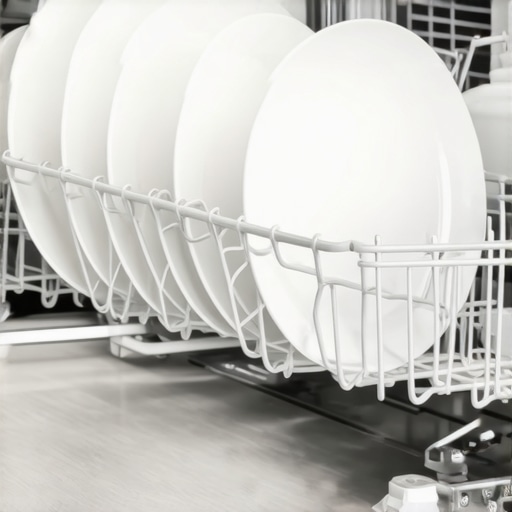
Why does my 2025 model fail faster than my grandma’s fridge?
It is the most common frustration I hear from homeowners. We see a fridge from the 1970s still running in a basement and wonder why our sleek, smart version is struggling after five years. The hidden nuance is that modern machines are far more complex and operate under much tighter tolerances. Your grandma’s fridge didn’t have to navigate the difference between inverter and traditional refrigerator compressors or manage precise humidity for multiple cooling zones. There is a clear reason why modern refrigerators dont last as long as your grandmas: more components mean more potential failure points, especially when delicate sensors are exposed to kitchen moisture. To keep yours alive, you need to stay away from the 5 mistakes that are shortening the life of your smart refrigerator.
The Dangerous Trap of Over-Soaping Your Laundry
The ‘oops’ factor that kills most modern appliances isn’t a lack of features; it’s a lack of basic maintenance against usage traps. For instance, in laundry rooms, the ‘more soap is better’ mentality is a death sentence. High-efficiency machines use so little water that excess detergent creates a film that never fully rinses away. This is exactly why high efficiency washers smell like mold and how to stop it. You think you’re being extra clean, but you’re actually building a biofilm fortress for bacteria inside your drum. Another advanced mistake is ignoring digital health; if your appliances are Wi-Fi enabled, keeping the software updated is as important as cleaning the filter. Manufacturers often release patches that improve hardware efficiency. Ignoring these can lead to mechanical strain that simply didn’t exist twenty years ago. Have you ever fallen into this trap of over-cleaning or over-soaping? Let me know in the comments.
Stop Googling and start checking your filters
I keep a small, dedicated toolkit in my utility closet that has saved me thousands in repair bills over the last three years. It isn’t filled with heavy machinery; it contains a digital multimeter, a bottle of food-grade citric acid, and a soft-bristled nylon brush. I personally swear by citric acid over vinegar for descaling because it is less aggressive on the internal rubber seals but far more effective at dissolving the calcium that causes a why your dishwasher is making a grinding noise. If your machine sounds like it is chewing on gravel, it is often just a calcified impeller. I’ve seen so many people panic and buy a new unit when a $10 bottle of powder and a twenty-minute soak would have fixed the issue. You also need to get comfortable with the ‘guts’ of your machine. For instance, knowing how to clean the hidden filter in your high end dishwasher is the difference between spotless glasses and that annoying gritty film. 
How do I maintain my smart kitchen ecosystem over time?
Maintaining a modern kitchen isn’t just about physical scrubbing; it is about managing the digital health of the hardware. I make it a habit to check for software updates on the first of every month. I’ve found that a why your smart fridge touchscreen is unresponsive is almost always a cache issue that a quick firmware refresh can solve. According to technical service documentation from leading manufacturers like Bosch, nearly 30% of ‘mechanical’ service calls for smart appliances are actually resolved via software patches. If you are struggling with connectivity, knowing how to update the firmware on your smart kitchen appliances is just as vital as knowing how to change a lightbulb. It stops those ‘ghost’ errors where why your smart appliance app gives you wrong notifications at 3 AM.
Modularity is the next big thing in your kitchen
Looking ahead, the future of home appliances trends to watch in 2025 point toward a massive shift in how we handle repairs. I predict we are moving away from ‘sealed units’ back toward modular designs. This is largely driven by the ‘Right to Repair’ movement, which is forcing brands to make components more accessible. I’m already seeing this with the most reliable washing machine brands for durability, where the drain pumps are now positioned behind a simple pop-off panel rather than buried under the drum. This means you can personally handle things like how to diagnose a faulty lid switch on your top loader without needing a degree in electrical engineering. My advice? Don’t wait for a breakdown. Go to your kitchen right now, pull out that bottom dishwasher filter, and give it a scrub with some warm soapy water. You’ll be amazed at what’s been hiding there.
Realities of Modern Kitchen Maintenance You Won’t Find in a Manual
After years of tinkering with everything from disposal units to smart panels, I’ve realized that your nose is often the most sophisticated diagnostic tool you own. If you catch a whiff of ozone or dampness early, you can prevent a catastrophic failure before it costs you a fortune. I’ve also learned that ‘smart’ doesn’t mean ‘maintenance-free.’ In fact, complex systems require a more delicate touch. For instance, when the laundry room starts smelling like a swamp, I don’t just reach for detergent; I look for the best way to sanitize a washing machine after a stomach bug to ensure deep hygiene. Modern machines are sensitive to residue, so the harder you work them, the more they need that periodic reset.
Tools and Resources That Saved My Sanity
My maintenance routine isn’t about expensive chemicals; it’s about having the right data. I highly recommend keeping three things on hand: a digital multimeter for checking fuses, food-grade citric acid for descaling, and a smart plug to monitor energy spikes. I also suggest learning how to sync your laundry room with your smart home hub because those instant error notifications can be the difference between a simple fix and a flooded floor. If you are looking to upgrade, staying informed on refrigerators in 2025 top features that transform your kitchen will help you choose models that are built with better user-serviceability in mind. These resources are all you truly need to stay ahead of the repairman.
#IMAGE_PLACEHOLDER_E#
Reclaim Your Kitchen’s Peace and Performance
Taking care of your home appliances doesn’t have to be a weekend-consuming chore. It starts with small, intentional habits like clearing that disposal or wiping a gasket once a month. When you understand the smart appliances revolution how to choose the best dishwasher, you realize that these machines are designed to partner with you, not just work for you. Don’t let a little grime or a strange noise intimidate you—most of the time, the solution is right there in your pantry or on your phone app. Which of these maintenance tasks have you been putting off the longest? Let me know in the comments below!