
I’ll never forget the Tuesday morning I opened my dishwasher to pull out a ‘clean’ mug, only to be greeted by a scent that can only be described as a wet dog in a swamp. It was humiliating. I thought I was doing everything right, but there I was, staring at a machine that was supposed to clean my dishes but instead felt like a breeding ground for gunk. My immediate thought? Pour a gallon of bleach in there and call it a day. But if you have a stainless steel tub or specialized gaskets, bleach is basically a one-way ticket to a service call. I learned that the hard way after a particularly aggressive cleaning session left my seals looking brittle. Today, I am going to show you exactly how to get that factory-fresh smell and a truly sanitized interior using stuff you already have in your pantry. No harsh chemicals, no toxic fumes, and no worries about ruining your machine’s finish. [image_placeholder]
Stop Pouring Bleach Down Your Drain
We often fall into the trap of thinking the harshest chemicals equate to the best clean. That is a myth that almost cost me a brand-new appliance. I eventually realized that my dishwasher was leaving a cloudy film on glasses not because it was broken, but because the internal environment was compromised by buildup. You do not need industrial-strength cleaners to fix this; you just need a better strategy. By using a two-step process involving natural acids and deodorizers, you can strip away the lime, calcium, and bacteria that thrive in the damp corners of your machine. This approach is gentler on your machine’s hardware and far safer for your family.
Is Natural Cleaning Actually Tough Enough for Bacteria?
You might be thinking this is just some ‘crunchy’ advice that won’t actually kill the invisible nasties. I was skeptical too until I did some digging. According to a study published by researchers at the University of Arizona, dishwashers can be hotspots for fungi and opportunistic bacteria like E. coli. However, you do not need bleach to eradicate them; you need the right combination of heat and acidity. One big mistake I made early on was dumping baking soda and vinegar into the machine together at the same time. They just neutralize each other! It is like a middle school volcano—fun to watch, but scientifically useless for cleaning. To get real results, you have to use them in separate cycles. You also need to make sure you clean the internal spray arms manually first to ensure that the sanitizing water is actually reaching every corner.
Start With a Clean Slate and the Right Heat
Before we even talk about vinegar, you have to look at the physical buildup hiding in your filter. I spent months wondering why my plates felt gritty until I realized I was making a classic dishwasher detergent mistake and ignoring the trap at the bottom of the tub. Have you ever actually pulled your dishwasher filter out and looked at it? It is a reality check you might not be ready for. Tell me, when was the last time you actually pulled that thing out and gave it a scrub? If it’s been more than a month, that is likely where your odor is living. Once that’s clear, we can move on to the real secret: the vinegar steam bath.
Flush Out the Mineral Scale with a Vinegar Steam
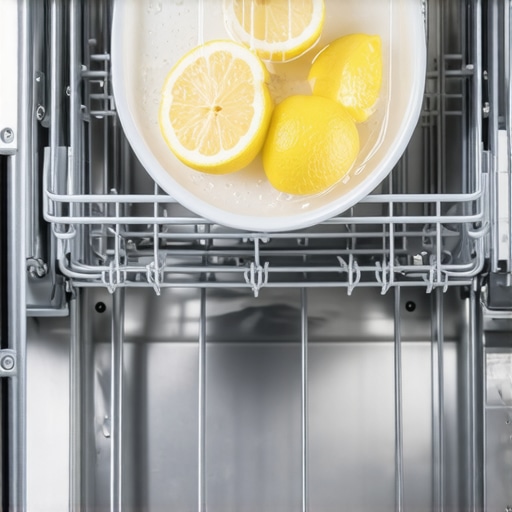
The first move is simple but critical. Take a dishwasher-safe bowl, fill it with two cups of white vinegar, and place it upright on the top rack. Do not add detergent. Close the door and run the hottest cycle your machine offers. This is essentially a spa day for your appliance. As the water heats up, the vinegar turns into an acidic mist that melts away the lime and calcium that explain why your dishwasher is leaving a gritty white film on your plates. I remember the first time I did this; I expected a harsh chemical odor, but instead, I watched a greyish sludge wash away from the heating element that had been baked on for years. It was equal parts disgusting and satisfying to see the stainless steel finally shining again.
Why High Heat is Non-Negotiable
Vinegar works best when it is warm. Cold vinegar is just salad dressing; hot vinegar is a powerful solvent. If your dishwasher has a ‘Sanitize’ or ‘Extra Hot’ setting, use it here. This heat helps break down the greasy residues that stick to the walls. If you are using one of the innovative dishwashers with AI technology, the machine might try to optimize water usage to save energy, so ensure you select a manual heavy-duty cycle to get the maximum volume of water circulating with that vinegar acid. This ensures the steam penetrates every crevice of the tub.
Neutralize the Funk with a Baking Soda Polish
Once the vinegar cycle finishes, you will likely notice the machine looks shinier, but it might still have a faint sour scent. This is where the baking soda comes in. Take about a cup of it and sprinkle it directly onto the floor of the dishwasher tub. Run another short, hot cycle. While vinegar is an acid that tackles mineral scale, baking soda is a base that acts as a deodorizer and a very mild abrasive. Think of it like brushing the machine’s teeth after a deep chemical peel. I once tried to skip this step, thinking the vinegar was enough, only to find that the old food smell returned within forty-eight hours. The baking soda step is what creates that neutral, factory-fresh scent.
Scrub the Gaskets Where Mold Hides
If you have done both cycles and still catch a whiff of something funky, the problem is likely physical. During my most embarrassing cleaning fail, I realized that three automated cycles had not touched the black sludge hiding under the door’s bottom seal. You have to get in there with a damp cloth or an old toothbrush. Learning how to clean a moldy dishwasher door gasket the right way is the difference between a truly sanitized machine and one that just looks clean on the surface. Use a mix of warm water and a drop of dish soap to wipe the rubber seals. If the water isn’t leaving the tub properly after these cycles, you may need to manually drain a dishwasher when the pump fails or is clogged with debris. This manual check ensures that the core of the cleaning process—the water flow—is not being sabotaged by a stray popcorn kernel or a bit of broken glass.
Clear the Path for Water Flow
Finally, check the spray arms. These are the engines of your dishwasher. If the tiny holes are clogged with seeds or hard water chunks, the cleaning solution will not reach your dishes. I use a toothpick to poke out any visible blockages. It is a tedious five-minute task, but it is as essential as knowing the easiest way to clean the filter in your dishwasher to ensure the rest of the internal system is actually functional. If the spray arms cannot spin or spray, your vinegar and baking soda are just sitting at the bottom of the tub doing nothing while your top rack remains dirty.
Even with the spray arms clear, there is a psychological trap we all fall into: the ‘Heavy Duty’ mentality. We assume that clicking the most intense button guarantees a better result. In reality, the hidden cost of running your dishwasher on the heavy cycle daily isn’t just a higher utility bill; it is the accelerated degradation of your machine’s plastic components and pump seals due to sustained high-temperature exposure. I used to think I was being thorough, but I was actually just shortening the lifespan of my appliance.
The Digital Blind Spot in Your Maintenance Routine
There is also the digital side to consider. I have spoken to many homeowners who assume that because they own innovative dishwashers with AI technology, the machine will magically manage its own health. This leads to the biggest ‘oops’ in modern home care: ignoring the software. If you find your cycles getting glitchy or the timing feels off, it is often related to why your smart appliance app keeps asking for a firmware update. These updates often recalibrate the very sensors that determine water pressure and temperature. Neglecting them is like trying to drive a car with an outdated engine computer.
Can AI Actually Tell When Your Laundry Is Clean?
It is a common misconception that smart sensors are just a marketing gimmick. However, research from the Association of Home Appliance Manufacturers (AHAM) indicates that modern soil sensors are incredibly precise, but they only function correctly if you let them work. The biggest mistake you can make is pre-rinsing your dishes or pre-washing your clothes by hand. If you strip away the grime before the cycle starts, the sensors detect ‘clean’ water and prematurely shorten the cycle or lower the heat. This leaves a film of detergent behind because there was no soil for the enzymes to latch onto. This is also exactly why your high efficiency washer uses barely any water; it is calculating the absolute minimum needed based on the initial turbidity of the water. By ‘helping’ the machine, you are actually sabotaging its efficiency.
Stop Cramming Your Fridge to the Rafters
This same logic of ‘more is not better’ applies to your refrigeration. Many people treat their fridge like a Tetris game, but the secret to making your refrigerator last twice as long is actually maintaining a 20% to 30% empty space for proper air circulation. When you over-pack, the sensors get cold but the internal food items stay warm, forcing the compressor to work double time. Have you ever fallen into this trap of over-cleaning or over-packing your appliances? Let me know in the comments.Once you stop over-packing, you need to turn your attention to the hardware that actually moves the heat and water. If you want to know the secret to making your refrigerator last twice as long, you have to stop looking at the shelves and start looking at the base. Most of us ignore the condenser coils, but in a house with pets, those coils become a magnet for dander and lint. I have seen compressors burn out in less than five years simply because they could not ‘breathe’ through the layer of grime. I personally use a ten-dollar flexible coil brush and a vacuum with a narrow crevice tool every six months. Learning how to keep your refrigerator coils clean in a pet-friendly home is not just about home hygiene; it is about preventing a massive repair bill. According to technical documentation from the Association of Home Appliance Manufacturers (AHAM), even a small amount of dust on coils can increase energy consumption by 20%, which explains why your utility costs might be rising for no apparent reason.
Find the Hidden Drain Filter in Your Washer
The same ‘set it and forget it’ mistake happens in the laundry room. If you have ever wondered why your front load washer smells like a swamp and how to fix it, the answer is usually trapped in the debris filter. I make it a ritual to drain mine every ninety days. It is a messy job that requires a shallow tray and a stack of old towels, but mastering how to clean the debris filter on your front load washer effectively is the only way to prevent your drain pump from burning out prematurely. These are the physical realities that no smartphone app can fix for you yet.
How do I maintain my smart appliances over the long haul?
It starts with a digital health check. Once a month, I open my central hub to ensure every device is still communicating properly. If a device drops off, it is often a sign that a sensor is failing or a router update has created a conflict. I also swear by a basic multimeter. If my dishwasher stops heating, I do not call a pro immediately; I use the meter to test the heating element for continuity. This thirty-second test saves me a diagnostic fee for a part I can easily replace myself.
Master the Multimeter to Save Hundreds
Owning a high-tech kitchen means you need to be a little tech-savvy yourself. A multimeter allows you to check thermal fuses, door switches, and heating coils without guessing. It turns a mystery into a simple ‘yes or no’ repair. Looking ahead at the future of home appliances: trends to watch in 2025, we are moving toward ‘predictive maintenance’ where your machines will order their own replacement parts. But until that becomes standard, you are the primary sensor. My challenge to you today: pull off the kickplate of your refrigerator. If it looks like a sweater is growing on your coils, get the vacuum. Your machine will thank you with another five years of service.[image_placeholder]
The Expensive Mistake I Made Before Trusting My Gut
For years, I believed that if the outside of my fridge was fingerprint-free and the dishwasher tub looked white, everything was fine. I learned the hard way that internal decay happens in silence. One major realization was that ignoring the small noises—the faint clicking or a slightly longer drain time—is often a precursor to a total system failure. I also discovered that the hidden costs of cheap budget appliances often manifest in how difficult they are to deep clean; sometimes, parts are not even removable for scrubbing. My ‘lightbulb moment’ was realizing that maintenance isn’t just a repair; it is a long-term insurance policy for your peace of mind and your wallet.
Tools That Make Maintenance Less of a Chore
You do not need a professional-grade workshop to keep your machine’s running like new. I keep a dedicated ‘Appliance Kit’ in my pantry that includes a flexible coil brush for the fridge, a set of dental picks for the dishwasher spray arms, and a reliable multimeter for electrical checks. If you are just starting to build your tech-forward home, I highly recommend checking out this ultimate guide to smart home appliances for a modern living to see which tools align with the specific sensors in your units. I personally trust the Association of Home Appliance Manufacturers (AHAM) for their rigorous testing standards, which helped me realize that most online ‘cleaning hacks’ are actually just distractions from real mechanical care.
Take Back Control of Your Kitchen This Weekend
It is easy to feel overwhelmed by filters, coils, and software updates, but you do not have to do it all at once. Start with one machine. Clean the filter tonight, and vacuum the coils next week. When you treat your home appliances as long-term investments rather than disposable boxes, the entire atmosphere of your home changes. Looking toward the future of home appliances: trends to watch in 2025, it is clear that while machines are getting smarter, the human element of physical care remains irreplaceable. If you ever feel stuck or have a specific question about a weird noise your washer is making, please reach out via our contact us page.
Have you ever found something truly shocking hiding in your dishwasher filter? Let me know in the comments below!