
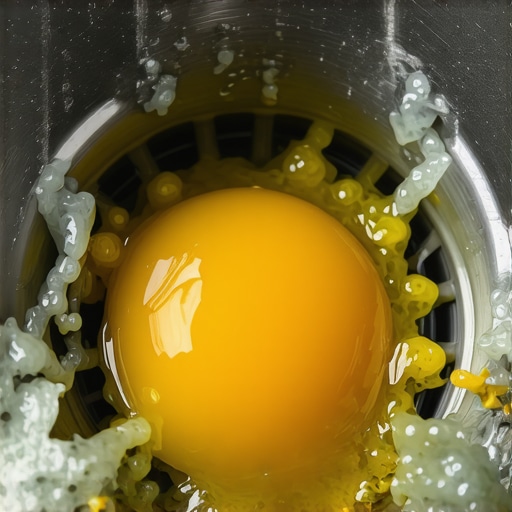
I walked into my kitchen last Tuesday, expecting the aroma of the slow-cooker chili I’d prepped, but instead, I was hit by a wall of pure, unadulterated rotten eggs. My first thought? A gas leak. My second? Someone hid a stink bomb in the pantry. After twenty minutes of frantic sniffing, I pinpointed the culprit: my dishwasher. It was a visceral, gag-inducing moment that made me realize even the most top smart appliances can turn against you if you aren’t careful. If you’re standing in your kitchen right now holding your breath, don’t worry. I’ve been there, I’ve made the messy mistakes, and today, I’m going to show you exactly how to reclaim your kitchen’s dignity and get rid of that stench for good.
Stop Chasing Ghost Gas Leaks and Look at Your Drain
When I first encountered this stench, I made a classic rookie move: I poured a gallon of bleach down the drain. Big mistake. Not only did it fail to fix the smell, but it also risked damaging the internal seals of my machine. I eventually learned that the ‘rotten egg’ smell is almost always caused by sulfur-reducing bacteria or trapped food particles decomposing in a very specific, hard-to-reach spot. It’s a common issue, even if you’ve already figured out why your dishwasher smells like a sewer when it is not running. According to the Water Quality Association, these bacteria thrive in the warm, damp environment of your appliance’s drainage system where they produce hydrogen sulfide gas. If you’ve noticed this, you aren’t alone—have you ever opened your machine only to be met with a swamp-like greeting? Tell me in the comments if you’ve been tempted to just buy a new one, because I certainly was! We need to address the ‘why’ before we can tackle the ‘how.’
Is a deep clean really going to fix a smell this bad?
You might be skeptical. I certainly was. I thought for sure I’d need a brand-new unit or a $300 plumbing visit. But the reality is that most of these odors stem from a simple lack of maintenance in the filtration system. While some people swear by DIY hacks, you need to know the truth about using white vinegar in your high-efficiency dishwasher before you start dumping household pantry items into a sensitive machine. We’re going to look at the hidden gunk that even ‘self-cleaning’ cycles miss, and I’ll share the specific sensor issue I overlooked that led to my own kitchen catastrophe. Sometimes it’s a simple matter of knowing the best way to load a dishwasher for maximum water flow to prevent future buildup. By the time we’re done, you’ll know more about your appliance’s plumbing than you ever wanted to, and your nose will thank you.
Pull the Filter and Face the Music
To fix the stink, you have to go to the source: the filter. Think of your dishwasher filter like the kidneys of your kitchen; it strains out the junk so the rest of the system can run clean. Most people don’t even realize their machine has one until it starts smelling like a landfill. I remember the first time I pulled mine out—I found a calcified lemon seed, a shard of plastic, and a layer of grey slime that looked like a science experiment gone wrong. The smell was so concentrated I had to step out of the room for a second. To clean it, simply twist the cylindrical filter out from the bottom of the tub and scrub it with a soft brush and hot, soapy water. If you notice your machine is making strange noises during this process, you might also need to learn how to fix a rattling dishwasher that sounds like it has loose rocks, as debris often bypasses the filter and hits the impeller.
Stop Dirty Water from Flowing Backward
If the filter is clean but the ‘ghost’ smell remains, your drain hose is likely the culprit. If your hose doesn’t have a ‘high loop’—meaning it doesn’t arch above the entry point of your sink’s drain—gravity will betray you. Dirty, bacteria-laden water from your sink can actually flow backward into your dishwasher and sit in the bottom of the pump. This stagnant pool is a breeding ground for that sulfur scent. This is a primary reason why your dishwasher smells like a sewer when it is not running. Check under your sink; if the hose is sagging, zip-tie it to the top of the cabinet to create that essential arch. Ensuring proper drainage is the first step toward a fresh kitchen.
Scrub the Gaskets Where Mold Hides
The rubber seal around your dishwasher door is a secret sanctuary for mold and yeast. Because this area doesn’t get hit by the high-pressure spray of the wash cycle, it stays damp and covered in ‘biofilm’—that slippery, smelly gunk. I once took a damp microfiber cloth and ran it along the bottom edge of my door seal, and the cloth came back pitch black. It was a wake-up call. Use a mixture of warm water and a drop of dish soap to wipe down the entire perimeter. If you find the seal is brittle or cracked while cleaning, it’s worth knowing how to fix a leaky dishwasher door seal in under ten minutes to prevent water damage to your floors.
Optimize Your Detergent for a Real Clean
Sometimes the smell isn’t from the food, but from detergent that isn’t doing its job. If you use short, eco-cycles, your pods might not be melting fully, leaving a sticky residue that traps odors. This is why many homeowners find why your dishwasher pods are not dissolving in short cycles to be a recurring headache. If you have hard water, that mineral buildup can also trap smells. You can learn the trick to removing hard water spots from your dishwasher interior to keep the stainless steel or plastic walls from holding onto scents. Finally, if your machine is throwing up warnings, don’t ignore the common dishwasher error that causes a drain light to flash, as a drainage backup is the fastest way to bring that rotten egg smell back into your life.Most people assume that running their dishwasher or washing machine on the ‘Eco’ setting is the ultimate gold standard for savings and maintenance. I used to be one of them, thinking I was being both frugal and green. But here is the contrarian truth: if you exclusively use cold water or short cycles, you are essentially slow-cooking a layer of bacteria inside your machine’s plumbing. While the Association of Home Appliance Manufacturers (AHAM) notes that energy-efficient cycles are designed to reduce environmental impact, these lower temperatures often fail to reach the ‘thermal death point’ for many common household bacteria. This is exactly the truth about the eco mode on your new dishwasher—it saves pennies on your monthly electric bill but can cost you hundreds in repairs when ‘biofilm’ (that grey, slimy gunk) clogs your internal sensors. Have you ever fallen into this trap of over-relying on the eco button? Let me know in the comments if you’ve noticed your clothes or dishes coming out smelling less than fresh!
Why do your smart appliance sensors seem to ‘lie’ to you?
Advanced users often get frustrated when their machine stays stuck on the ‘sensing’ phase for forty minutes or claims a cycle is done when the dishes are still greasy. This isn’t usually a motor failure; it’s a data failure. Modern units use turbidity sensors—essentially tiny electronic eyes—to check how dirty the water is. If you use too much detergent or the wrong type of pods, a cloudy film builds up over the sensor lens. When this happens, the hidden sensor that stops your dishwasher from drying properly can’t get an accurate reading, leading to those ‘phantom errors’ that drive us all crazy. It is a sophisticated problem that requires a simple fix: a monthly high-heat ‘sanitize’ cycle with no dishes and a dedicated cleaner to strip that film away.
The Refrigerator Calibration Trap Most Homeowners Ignore
We often blame the brand or the age of the unit when our milk spoils too fast, but we rarely look at the internal logic of the machine itself. A common mistake I see is people trusting the digital readout on the door implicitly. In my experience, these sensors can drift by as much as five degrees over a few years. Learning how to recalibrate your refrigerators internal thermometer for better cooling is a pro-level skill that prevents food waste and saves your compressor from working overtime. If you’ve ever wondered why your fridge temperature fluctuates even when the door is shut, it usually isn’t a broken seal—it’s often a blocked air vent or a sensor that needs a hard reset. We often focus on the ‘smart’ features like cameras and Wi-Fi, but the real expertise lies in understanding the real difference between inverter compressors and standard fridge motors. Inverters are designed to run almost constantly at varying speeds; if you expect them to behave like the loud, ‘on-or-off’ fridges of the 90s, you might think your unit is failing when it’s actually performing perfectly. Don’t be afraid to dig into the manual settings to save money on your electric bill by tweaking your fridge settings beyond the factory defaults. By mastering these nuances, you stop being a victim of your appliances and start being their operator.
Clear the Gunk from Your Washer’s Secret Door
If you think your dishwasher was the only culprit in the great household scent war, wait until you smell a neglected front-load washing machine. I spent months wondering why your washing machine smells like damp towels even after a wash, only to discover a literal swamp behind a small plastic panel at the bottom of the unit. I found the secret to cleaning a front-load washers hidden filter during a Saturday morning deep-dive, and let me tell you, it wasn’t pretty. I pulled out three quarters, a hair tie, and enough grey lint-sludge to start a small garden. This debris filter is the frontline defense for your pump; when it’s clogged, the water can’t drain fast enough, leaving your clothes sitting in a pool of bacteria-laden runoff. While you’re down there, don’t ignore the detergent tray either. I make it a point to learn how to clean the detergent drawer on your front-load washer once a month because liquid softener creates a waxy buildup that is essentially a Five-Star hotel for black mold.
Why I Keep a Laser Thermometer in My Kitchen Drawer
One tool I swear by that isn’t in your standard junk drawer is a non-contact infrared thermometer. I use it to spot-check the temperature zones in my fridge without ever opening the door and letting the cold air out. It’s how I realized my middle shelf was actually four degrees warmer than the bottom crisper, which is exactly why your fridge temperature fluctuates even when the door is shut. By pinpointing these ‘dead zones,’ I can adjust my storage—putting the milk in the coldest spot and the berries in the slightly warmer area to prevent freezing. If your readings are consistently off, it’s time to learn how to recalibrate your refrigerators internal thermometer for better cooling. This isn’t just about food safety; it’s about scaling the life of your compressor. A compressor that doesn’t have to fight a miscalibrated sensor will last years longer than one that’s constantly cycling on and off due to ‘phantom’ heat.
How do I maintain these high-tech machines for the long haul?
Maintenance in 2025 isn’t just about a wrench and a rag; it’s about software and sensors. According to a study in the Journal of Applied Microbiology, common household washing cycles often fail to eradicate certain bacterial biofilms if water temperatures remain below 60°C (140°F). This is why I religiously run a monthly ‘Sanitize’ cycle with a specialized drum cleaner. You also need to keep an eye on mechanical performance—if your machine sounds like it’s struggling, you should how to diagnose a washing machine that wont spin at full speed before the motor burns out entirely. Modern machines are incredibly efficient, but that efficiency comes at the cost of narrower tolerances. A tiny bit of grit that wouldn’t have bothered a 1980s top-loader can completely brick a smart unit today.
Predictive Maintenance is the New Normal
Looking ahead, I see the future of home appliances trends to watch in 2025 shifting toward what we call ‘predictive maintenance.’ We are moving away from ‘fix it when it breaks’ to ‘fix it before it smells.’ We’re already seeing AI sensors that can detect the vibration of a failing bearing months before you can hear it. I predict that within three years, your fridge won’t just tell you the milk is low; it will tell you the condenser coils are 20% dusty and order a service kit automatically. For now, the best thing you can do is take control manually. My challenge to you? This weekend, pull that bottom panel off your washer and clear the filter. It’s a ten-minute job that could save you a $400 repair bill next month!
What My Nose Taught Me About High-Tech Kitchens
I learned the hard way that a ‘clean’ display doesn’t mean a clean machine. If your dishwasher has a digital screen, it might report that the cycle was successful while the internal basin is quietly growing a microbial colony in the shadows. Always trust your physical senses over the software’s optimism. Secondly, high-heat cycles are not just for crusty lasagna pans; they are a hygienic necessity to melt away the fats that trap sulfur smells. Finally, remember that every machine has a ‘blind spot’—for dishwashers, it is often the underside of the spray arms, and for washing machines, it is the folds of the rubber gasket. Staying ahead of the smart appliances revolution means being more observant than the sensors themselves. If you are still in the shopping phase, knowing how to choose the best dishwasher with accessible filtration will save you years of grief.
The Tools I Use to Outsmart My Own Gadgets
To stay ahead of the grime, I rely on a few non-negotiables that help me maintain my home appliances without calling a pro. First, a simple long-reach bottle brush is essential for scrubbing the deep recesses of a filter cavity. I also suggest keeping a digital copy of the ultimate guide to smart home appliances for a modern living bookmarked on your phone to decode those cryptic error messages that pop up at 10 PM. If you ever face a software glitch or a frozen screen, knowing how to reset your smart appliance after a major power surge will save you from a needless and expensive service call. Finally, don’t forget that you can always save money on your electric bill by changing three fridge settings, which is a tool in itself for a more efficient kitchen budget.#IMAGE_PLACEHOLDER_E#
Take Back Control of Your Home Today
Maintenance does not have to be a weekend-ruining chore that you dread. By spending just five minutes a month on these small checks—cleaning the filter, wiping the seals, and running a sanitize cycle—you ensure your home appliances serve you rather than the other way around. You have invested significant money into your kitchen, and now you have the insider skills to protect that investment from the dreaded rotten egg smell. Don’t wait for the next ‘stink bomb’ to go off before you look at your drain pump. Start fresh today, and enjoy the peace of mind that comes with a truly clean smart appliances setup. Have you ever found something truly bizarre in your dishwasher filter? Let me know in the comments below!