
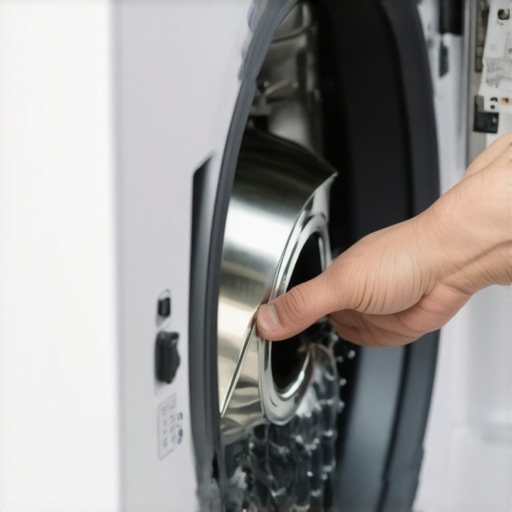
It was a Tuesday afternoon when I finally hit my breaking point. I’d just pulled a ‘clean’ load of towels out of my front-loader, and instead of that fresh linen scent, I got a face full of stagnant pond water. I felt like a total failure as a homeowner. I’d spent good money on one of those washing machines that save water, thinking I was being efficient, but all I had to show for it was laundry that smelled worse than a gym locker. I scrubbed the rubber seal until my knuckles were raw and ran every self-clean cycle in the manual. Nothing worked. Then, I remembered a cryptic comment a repairman once made about a ‘hidden trap.’ I looked down at that tiny, unassuming plastic door at the bottom of the machine. I popped it open, unscrewed the cap, and—well, let’s just say I wasn’t prepared for the flood of gray sludge and old nickels that greeted me. It turns out, that little filter is the gatekeeper of your machine’s health, and ignoring it is the fastest way to ruin your laundry day. Today, I’m going to show you exactly how to tackle this gross but necessary task without flooding your laundry room like I did.
Stop Hunting for the Smell and Open the Trapdoor
If your laundry room is starting to remind you of a damp basement, you aren’t alone. I spent months wondering why my washing machine smells like damp towels even after a heavy-duty wash. I’ll be honest with you: my biggest mistake early on was thinking that the ‘self-clean’ button actually cleaned the whole machine. It doesn’t. That button won’t magically dissolve the hair, lint, and rogue toothpicks caught in your debris filter. When I finally worked up the courage to unscrew that filter cap, the smell was enough to make my eyes water. It was a thick, biofilm-covered mess that was literally rotting inside my machine. You see, these modern machines are marvels of engineering, but they have a fatal flaw: they are too good at catching stuff. Every bit of pet hair, every stray dime from your jeans, and every wad of lint eventually migrates south to this filter. According to research by Consumer Reports, many modern high-efficiency machines rely on these filters to protect the drain pump, and a clog here is a leading cause of premature pump failure. If you’ve been seeing an error code or wondering about the 5-minute fix for a washing machine that won’t drain, this is almost certainly your culprit.
Is this really worth the soggy mess on your floor?
I get it. The idea of opening a pressurized water system inside your house feels like a recipe for disaster. You’re probably thinking, ‘Is it really that bad if I just leave it?’ Trust me, I’ve been there. I ignored mine for two years until the machine simply refused to spin. The truth is, learning how to clean the debris filter on your front-load washer effectively is the difference between a ten-minute maintenance task and a $400 repair bill. Yes, there will be some water—usually a few cups’ worth—but if you come prepared with a shallow tray and some old towels, it’s a breeze. Have you ever actually looked behind that little door, or are you like I was, hoping it was just a decorative part of the machine? Let’s get into the nitty-gritty of how to do this right so you can finally get back to laundry that actually smells like laundry. This is just the first step in a larger battle against grime, much like knowing how to prevent mold growth in your washing machine’s door seal to keep the whole system fresh.
Grab Your Towels and a Shallow Tray
Before you even touch that filter cap, you need to prepare for the inevitable. Think of your washing machine like a giant aquarium; even when it looks empty, there are several cups of stagnant water sitting in the low-lying pipes. I learned this the hard way during my first attempt. I unscrewed the cap thinking I’d just catch the drips with a sponge. Five seconds later, I was frantically throwing my wife’s decorative bath mats onto a growing puddle of gray, smelly water. Don’t be me. Grab a shallow baking tray—the kind with a lip—and at least two old towels. Lay the towels flat under the access door and have your tray ready to slide under the opening. This isn’t just about tidiness; it’s about protecting your subfloor. If you’ve noticed why your washing machine takes much longer than the timer says, it’s often because the pump is struggling to push water through a wall of sludge, and that same sludge is what’s about to come out. Knowing how to clean the debris filter on your front-load washer effectively starts with a dry floor.
Drain the Emergency Line First
Most modern front-loaders have a tiny black or gray rubber hose tucked next to the filter. This is your best friend. Instead of just cranking the main filter open and letting the floodgates fly, pull that little hose out and pop the plug. Let it drain slowly into your shallow tray. It’s tedious, and you might have to empty the tray three or four times, but it prevents the ‘tsunami’ effect. I once found a petrified baby sock wedged in this exact line, which was the real reason for the 5-minute fix for a washing machine that won’t drain. If no water comes out of the hose but you know the machine is full, you likely have a ‘hard’ clog—usually a buildup of hair or a coin—right at the junction. 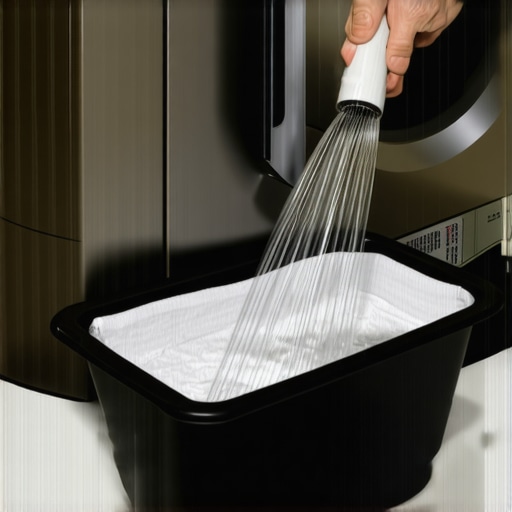
The Great Unscrewing of the Grime
Once the emergency hose stops dripping, it’s time to unscrew the main filter. Twist it counter-clockwise. If it feels stuck, do not force it with pliers. The plastic threads are fragile. Usually, if it’s stuck, it’s because a bra wire or a toothpick is physically jammed through the mesh of the filter. Wiggle it back and forth gently. When it finally comes out, be prepared for the ‘treasures.’ In my machine, I found three nickels, a handful of dog hair that looked like a small rodent, and a plastic bread tab. This is where you learn how to get pet hair out of your washer without ruining the pump. Take the filter to the sink and scrub it with an old toothbrush and some dish soap. Don’t forget to reach your finger into the hole where the filter lived—check the impeller (the little fan blades) to make sure they spin freely and aren’t tangled in thread.
Why This Fixes More Than Just Smells
Cleaning this filter isn’t just a chore for your nose; it’s a mechanical necessity. When that filter is 50% blocked, the motor has to work twice as hard to spin the water out. This extra vibration is a common culprit behind how to stop your washing machine from jumping during the spin cycle. A clear filter means a balanced, quieter machine. I remember one specific Saturday where I thought our washer was finally dying because it sounded like a jet engine taking off. Ten minutes of cleaning the filter—and removing a singular, heavy brass key—returned the machine to a whisper. It’s a simple mechanical logic: when water flows freely, the machine stays stable. If your timer is jumping around or the clothes are coming out soaking wet, the debris filter is almost always the first place you should look before calling a technician. Check the housing one last time for any leftover grit, screw the filter back in until it’s snug (but not over-tightened), and close the door.
Now that the filter is clean, let’s talk about the mistake that likely got you here in the first place. Everyone tells you that running your machine on the coldest, shortest cycle is the best way to save the planet and your wallet. In my experience, this is the quickest way to turn a high-end appliance into a moldy paperweight. When you constantly use washing machines that save water on low-temp settings, the fats and surfactants in your detergent never fully dissolve. They create a waxy buildup called ‘scrud.’ This isn’t just a gross word; it’s a mechanical nightmare that coats the outer drum and leads to why your energy-efficient washer leaves your clothes feeling crunchy. I see this all the time: a homeowner thinks they are doing the right thing, but they are actually starving the machine of the heat it needs to keep itself clean.
Why does my smart machine act like it’s possessed?
If you’ve invested in the ultimate guide to smart home appliances, you might have noticed your phone blowing up with alerts. Often, why your smart dishwasher app keeps giving you phantom errors comes down to sensor interference rather than a broken part. I’ve seen cases where simple steam buildup near a sensor or a slightly unlevel floor triggers a ‘leak’ alert that doesn’t exist. Before you panic and call a repairman, check if your machine is actually level or if you’ve been over-sudsing. These high-tech brains are sensitive; a little bit of excess foam can confuse the pressure sensors into thinking the machine is overflowing. The ‘Oops’ factor I see most often—and I was guilty of this for years—is the massive over-use of detergent. Most of us grew up in the era of ‘more bubbles equals more clean,’ but in a high-efficiency environment, those extra bubbles act as a cushion, preventing the clothes from actually rubbing against each other to get clean. You really only need about two tablespoons of high-quality liquid detergent. If you use more, you’re essentially paying to gunk up your machine and your clothes. It’s a hard truth: the secret to using less detergent in your high-efficiency washer is actually the primary key to appliance longevity.#IMAGE_PLACE_HOLDER_C#
Is the ‘Eco-Mode’ on your dishwasher a lie?
It’s not exactly a lie, but the truth about the eco-mode on your new dishwasher is that it relies on time rather than heat. By running longer at lower temperatures, it saves electricity, but it struggles to break down heavy animal fats and proteins. According to a report by the Association of Home Appliance Manufacturers (AHAM), modern dishwashers are engineered to handle significant soil, but if you exclusively use Eco-mode, you must run a ‘Heavy’ or ‘Sanitize’ cycle once a month with a specialized cleaner to prevent grease buildup in the internal plumbing. I’ve spoken to dozens of homeowners who thought they were being ‘green’ only to find why your dishwasher smells like a sewer when it is not running was due to this very habit. Sometimes, you have to spend a little energy to save the machine. Have you ever fallen into this trap of over-optimizing for ‘eco’ only to have it backfire? Let me know in the comments.
I used to think that being a ‘responsible’ appliance owner just meant wiping down the fingerprints on the stainless steel. I was wrong. I didn’t realize my ‘smart’ fridge was essentially gasping for air until I pulled it away from the wall and saw the coils matted with enough pet hair to knit a small sweater. This is the stage where most people wait for a breakdown, but I’m telling you, a $15 long-reach condenser brush is the single most important tool in my utility closet. Unlike a vacuum attachment, which is usually too thick to get into the narrow fins of the heat exchanger, a flexible brush can actually dislodge the ‘insulation’ of dust that forces your motor to run 24/7. This is the most practical way to how to save money on your electric bill by changing three fridge settings, because no amount of software tweaking can overcome a physically clogged coil.
Stop Your Fridge from Overheating with One Five-Minute Habit
When those coils get dirty, the compressor has to work twice as hard to shed heat. If you’ve been hearing a low, rhythmic buzzing that seems louder than it used to be, you need to know how to spot a failing refrigerator compressor before it dies. I make it a point to brush my coils every six months. It’s a messy job—wear a mask if you have allergies—but it’s the difference between a fridge that lasts fifteen years and one that dies at seven. For refrigerators in 2025 top features that transform your kitchen often include better insulation and tighter tolerances, which ironically makes them even more sensitive to heat buildup than the old ‘clunkers’ our parents owned. According to technical guidelines from the Association of Home Appliance Manufacturers (AHAM), maintaining proper airflow around the compressor and condenser is the number one factor in preventing early mechanical failure. 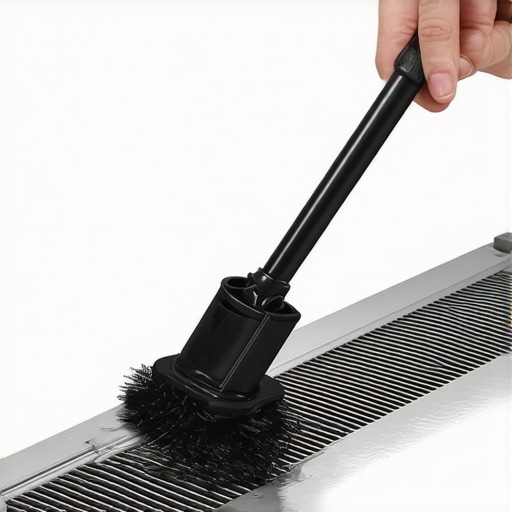
The Software Tweak Your Smart Washer Actually Needs
We’ve talked a lot about physical grime, but ‘digital grime’ is becoming the new headache for homeowners. If you’ve been frustrated by why your smart washer keeps disconnecting from the home network, the fix is rarely a new router. I personally moved all my smart appliances to a dedicated 2.4GHz ‘Guest’ network. Most appliances have basic Wi-Fi chips that get confused by the high-speed handoffs of modern 5GHz mesh systems. By siloing them on their own channel, you stop the ‘phantom’ offline alerts that plague so many households. As I look at the future of home appliances trends to watch in 2025, I predict we will see more ‘edge computing’ where the machines diagnose themselves locally rather than relying on a flakey cloud connection, but until then, keeping your network clean is just as vital as keeping your filters clean.
How do I maintain these complex machines without an engineering degree?
The secret is calibration rather than just cleaning. Once a year, I use a simple infrared thermometer to verify that my fridge’s internal temperature actually matches the digital display. If it’s off by more than three degrees, you should learn how to recalibrate your refrigerators internal thermometer for better cooling before your milk starts spoiling early. Likewise, don’t just trust your dishwasher’s ‘sensor wash.’ If you live in an area with hard water, the sensors can become clouded with scale. I recommend a monthly descaling cycle using a high-quality citric-acid-based cleaner. It keeps the internal spray arms clear and prevents that gritty white film from ever appearing on your glasses. My big call to action for you this weekend? Pull that fridge out, grab a brush, and clear those coils. You might be shocked at what’s been hiding back there, and your energy bill will certainly show the difference by next month.
Hard Truths I Learned from a Flood and a Blown Fuse
After years of trial and error with high-tech gear, I’ve realized that smart doesn’t always mean self-sufficient. My first big realization was that silence isn’t always golden; if your machine is too quiet, it might actually be how to fix a washing machine that stops mid-cycle without an error code because of a minor sensor glitch. I also learned that heat is your best friend. We’ve been conditioned to fear the hot cycle, but once a month, your pipes need that thermal shock to stay clear. Lastly, trust your gut over your phone. If the app says everything is fine but the floor feels warm near the fridge, something is wrong. Don’t be afraid to override the automation when your senses tell you otherwise.
The Small Tools That Save Big Money
I don’t believe in buying every gadget on the shelf, but three specific things have paid for themselves ten times over in my house. First, a long-reach condenser brush is non-negotiable for anyone looking to how to save money on your electric bill by changing three fridge settings. Second, I always keep a bag of food-grade citric acid in the pantry; it’s the only way I’ve found to effectively descale without that harsh chemical smell. Finally, a simple infrared thermometer helps me ensure that my refrigerators in 2025 top features that transform your kitchen are actually working as intended, especially when testing the secret to preventing freezer burn in your smart refrigerator. #IMAGE_PLACEHOLDER_E#
Taking Control of Your Modern Laundry Room
Your appliances are there to serve you, not the other way around. By taking ten minutes a month to check the filters and brush the coils, you aren’t just cleaning—you’re extending the life of your home’s most expensive investments. Whether you’re using high-tech washing machines that save water or a classic setup, the principles of airflow and drainage remain the same. Don’t wait for a breakdown to start paying attention. Start with one small task this weekend and build the habit. It’s the difference between a home that runs like a Swiss watch and one that feels like a ticking time bomb. What was the weirdest thing you ever found in your washing machine filter? Let me know below!