

I remember standing in my kitchen at 11:30 PM, staring at the digital display on my dishwasher with genuine disbelief. I had started the load right after dinner, expecting a quick turnaround, yet there it was—still chugging away with 42 minutes left on the clock. My first instinct was to call a repairman because I was convinced the motor was dying or some sensor had finally given up the ghost. But as it turns out, my machine wasn’t failing; it was just doing exactly what it was designed to do. Today, I want to pull back the curtain on why our modern appliances seem to be moving at a snail’s pace compared to the power-hungry beasts we grew up with.
Your Dishwasher Isnt Broken It Is Just Modern
We’ve all been there, wondering if we accidentally bought a lemon. In the old days, a dishwasher could blast through a pile of crusty lasagna pans in 45 minutes flat. Today? You might as well go watch a double-feature movie while you wait. I actually made the mistake of running three ‘Express’ cycles in a row once, thinking I was outsmarting the system, only to end up with half-dirty plates and a massive waste of water. If you’re tired of the wait, we are going to dive into the mechanics of why this happens and how you can actually master the eco mode on your new dishwasher to get better results.
Is This Long Cycle Actually Worth the Hype
It sounds counterintuitive, doesn’t it? How can running a motor for four hours save more energy than running it for one? According to the U.S. Department of Energy, modern appliances use significantly less water—often as little as 3 gallons per load—compared to the 10+ gallons older models gulped down. To get things clean with less water, the machine has to soak the dishes longer. It’s a trade-off: time for efficiency. If you’re struggling with more than just time, like a gritty white film on your plates, the length of the cycle might actually be your best friend, giving detergents more time to break down those minerals.
Why Sensors Are Taking Over Your Afternoon
Many of us have moved toward innovative dishwashers with AI technology, and these smart units are constantly ‘thinking.’ They use turbidity sensors to check how dirty the water is in real-time. If the water is still murky, the brain of the machine adds another 20 minutes, then another. I used to be skeptical, but after seeing how these sensors prevent me from having to re-wash a load manually, I’ve come around. Have you ever stood over your machine, tempted to hit ‘cancel’ just because the timer seemed stuck? You aren’t alone, and usually, that’s exactly when you should let it finish its job. Before we get into the nitty-gritty of sensor maintenance, have you ever actually timed your dishwasher just to see if it’s following the manual’s estimates?To get the best out of these long-running machines, you have to stop treating them like the ‘dumb’ appliances of the 90s. If you treat a sensor-driven unit like an old-school mechanical one, you’re just going to end up frustrated with wet plates and a five-hour wait time.
Maximize Every Drop with Smarter Loading Habits
The spray arms in your machine are like little rotating lawn sprinklers. If you overlap your bowls or ‘nest’ your spoons, the water simply cannot reach the surfaces. When the AI sensors detect that the water is still full of food particles because the spray didn’t hit the target, it triggers an extra rinse. I learned this the hard way when I tried to fit an entire Thanksgiving dinner’s worth of plates into one load. I ended up with a cycle that lasted until 3:00 AM because the machine kept trying to compensate for my poor stacking. You need to master the best way to load a dishwasher for maximum water flow to ensure those sensors see clear water as quickly as possible. 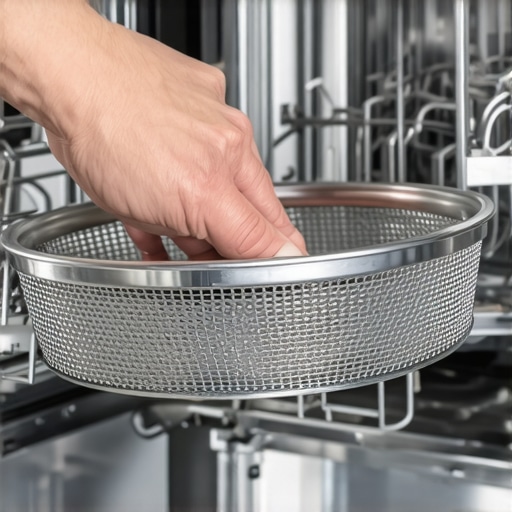
Clean the Hidden Filter to Stop the Clock
Almost every modern high-efficiency dishwasher has a manual-clean filter at the bottom. Unlike the old ‘grinder’ style units that were loud enough to wake the neighbors, these use fine mesh filters to protect the quiet, energy-efficient pumps. I once spent a week complaining about my cycle time creeping up by thirty minutes every day. When I finally pulled out the filter, it was coated in a grey sludge of old detergent and avocado. The machine’s turbidity sensor was basically ‘seeing’ the dirt on the filter and assuming the dishes were still filthy. It’s a similar logic to how to clean the debris filter on your front load washer effectively—if the filter is blocked, the machine works twice as hard for half the result.
Trust the Machine Logic Instead of Fighting It
It is tempting to use the ‘Heavy Duty’ or ‘Pots and Pans’ setting for every load because we think more power equals better cleaning. In reality, modern detergent enzymes work best when they have time to sit on the food. Using a standard cycle with a high-quality rinse aid is usually faster and more effective than blasting the dishes with high heat for hours. If you find your plastic Tupperware is always soaking wet despite a four-hour cycle, you should look into the trick to getting bone dry plastic containers out of your dishwasher. Often, the issue isn’t the machine’s power, but rather the physics of how heat interacts with different materials.
Stop the Sensing Loop Before It Starts
If your machine seems stuck on the ‘sensing’ portion of the cycle, it’s usually because the water temperature isn’t rising fast enough. Most modern dishwashers don’t have the massive 1000-watt heating elements of the past. They rely on smaller, more efficient heaters. To help it out, run the hot water at your kitchen sink for 30 seconds before you hit ‘start’. This ensures the first fill is actually hot, preventing the machine from sitting idle for 20 minutes just trying to warm up the water. This is a common hiccup in many appliances, and knowing how to fix a washing machine that is stuck on the sensing cycle often comes down to similar basic environmental factors like water temperature or load balance.But here is where the ‘common sense’ we learned from our parents actually fails us. Most people still insist on pre-rinsing their dishes until they are practically clean before putting them in the machine. I used to be a serial pre-rinser until I realized I was actually sabotaging my dishwasher’s intelligence. According to testing from Consumer Reports, modern enzyme-based detergents actually require food particles to activate their cleaning power effectively. Without that organic matter to ‘grip’ onto, the enzymes simply wash away, and the sensors tell the machine that the dishes are already clean, resulting in a shorter, less effective wash. If you’ve ever noticed a gritty white film on your plates even after a long cycle, your ‘helpful’ pre-rinsing might be the culprit.
Why Pre-Rinsing Your Plates is Actually Ruining Your Results
The real secret isn’t more water; it’s better chemistry. When you strip the plates of everything but the most stubborn stuck-on bits, the detergent has nothing to work with. It’s a similar story in the laundry room. We’ve been conditioned to think ‘more soap equals cleaner clothes,’ but that is the fastest way to ruin a high-efficiency unit. I’ve seen so many people frustrated because their high-efficiency washer leaves white streaks on dark clothes, and 90% of the time, it’s simply detergent overdose. 
Does Too Much Detergent Kill Your Machine Efficiency?
Yes, absolutely. Modern machines use so little water that they can’t possibly rinse away three tablespoons of concentrated detergent. This excess soap builds up in the drum and creates a breeding ground for bacteria, which is why your washing machine smells like damp towels even after a wash. If you want to stop the cycle of suds, you have to learn the secret to using less detergent in your high-efficiency washer without sacrificing cleanliness. It feels wrong to use just a tiny splash of soap for a big load, but your clothes—and your electric bill—will thank you.
Stop the Hidden Sabotage in Your Laundry Room
Beyond the soap, we also tend to ignore the physical environment of our appliances. For instance, did you know that an unlevel fridge can actually cause your compressor to work overtime, leading to those annoying fluctuations? When I was researching choosing the right refrigerator tips from industry experts, I was shocked at how often ‘improper leveling’ was cited as a cause for premature failure. It seems minor, but gravity affects how coolant flows. Have you ever fallen into this trap? Let me know in the comments. We spend thousands on these smart machines, yet we often break them by applying ‘dumb’ appliance habits. To get the most out of your home, you need to check out the ultimate guide to smart home appliances for a modern living and start trusting the sensors instead of your old habits.I used to think maintenance was just a fancy word for waiting for something to break. But after a hefty repair bill for a fridge compressor that choked on a hidden mountain of pet hair, I changed my tune. Modern units are essentially high-performance computers that happen to wash socks or chill milk, and they require a different kind of respect.
The Three Tools That Actually Save Your Fridge
You don’t need a professional workshop, but you do need a long-reach crevice tool for your vacuum. Every six months, I pull my fridge out and vacuum the condenser coils. If those coils are caked in dust, the heat can’t dissipate, forcing the motor to run 24/7. This simple act is the difference between a ten-year lifespan and a five-year failure. While you have the fridge out, it is the perfect time to learn how to level a refrigerator on an uneven kitchen floor, which prevents the frame from warping and keeps the door seals airtight. If you ignore this, you’ll eventually need to know how to spot a failing refrigerator compressor before it dies, and trust me, that is a much more expensive lesson. 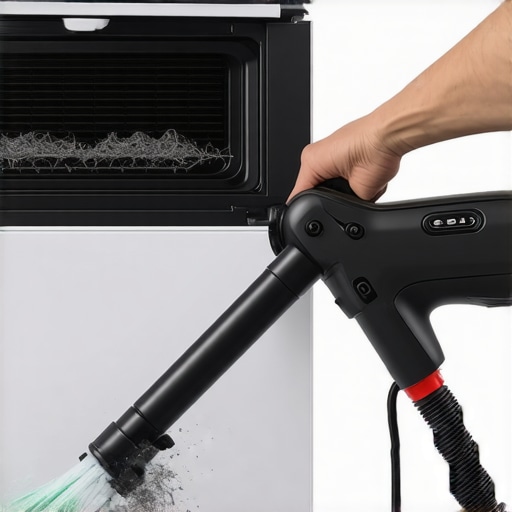
How do I maintain my smart appliances over time?
Consistency beats intensity every time. For your dishwasher, I recommend a monthly ‘service wash.’ This isn’t just running it empty; it’s about using a dedicated descaler to eat away at the limescale hiding in the spray arms. For your smart fridge, maintenance also includes the digital side. I’ve found that a cluttered cache can actually make the interface lag, so knowing how to update your smart fridge software without crashing the system is just as vital as cleaning the physical gaskets. If your cooling feels off, don’t panic and call a technician immediately; you might just need to recalibrate your refrigerators internal thermometer for better cooling.
Don’t Ignore the Digital Health of Your Kitchen
We often forget that these machines are connected to our home networks. A weak Wi-Fi signal doesn’t just mean your app won’t work; it can actually cause some smart washers to ‘hang’ mid-cycle as they try to ping a server for an update. I’ve started treating my appliances like my laptop. Once a month, I check for firmware updates and clear any ‘phantom’ error codes that might be lingering in the background. According to the Association of Home Appliance Manufacturers (AHAM), proper maintenance of energy-efficient components can save a household up to 15% on annual utility costs. You can achieve this by learning how to save money on your electric bill by tweaking your fridge settings.
The Future of AI Self-Diagnostics
Looking ahead, the future of home appliances trends to watch in 2025 points toward machines that tell us exactly what is wrong before the part even fails. We are moving toward a ‘predictive maintenance’ model where your dishwasher might send a notification saying the drain pump is drawing too much current, suggesting a blockage. Until that tech is perfected, we have to stay vigilant. I challenge you to try the ‘dollar bill test’ on your refrigerator seal tonight—if you can pull a dollar bill out of the closed door with no resistance, your seal is failing and your money is literally leaking into the kitchen. Take five minutes to check it; it’s the easiest maintenance win you’ll get all week.
Hard Truths I Learned While Fighting My Kitchen Gadgets
After years of trial and error, I’ve realized that the biggest hurdle to a clean home isn’t the machine—it’s my own outdated habits. I spent months frustrated by long cycle times before I understood that time is the currency these units pay to save me money on water. One major lightbulb moment was realizing that smart appliances actually perform worse when we over-clean for them. If you want to see how these machines are evolving, check out the refrigerators in 2025 top features that transform your kitchen to see just how much more automation is coming our way. Trusting the machine to do its job, even when it takes four hours, is the ultimate way to lower your stress levels. #IMAGE_PLACEHOLDER_E#
My Personal Survival Kit for Smart Home Owners
To keep everything humming along, I keep a few non-negotiables in my utility closet. First, a reliable vacuum crevice tool is essential for those fridge coils. Second, I’ve switched to high-quality enzyme-based pods; they are designed for the smart appliances revolution how to choose the best dishwasher that fits your specific soil levels. I also recommend keeping a digital log of your firmware updates. It sounds overkill until a simple patch fixes a recurring drain error. For those with laundry woes, looking into washing machines that save water expert advice for 2025 can help you pick tools that match your home’s water hardness, which is a total game changer.
Empower Your Appliances and Save Your Sanity
Stepping into the world of high-efficiency living can feel like learning a new language, but the rewards are worth every minute of the transition. When we stop fighting the logic of our units, we reclaim our time and protect our investments for the long haul. Remember that how smart washing machines can simplify laundry day isn’t just a marketing slogan; it’s a reality once you master the small maintenance tweaks we’ve discussed. You’ve got the knowledge now, so go ahead and let those sensors do the heavy lifting for once. Have you ever caught yourself ‘cleaning’ the dishes before putting them in the dishwasher? Let me know your biggest appliance pet peeve in the comments below!