
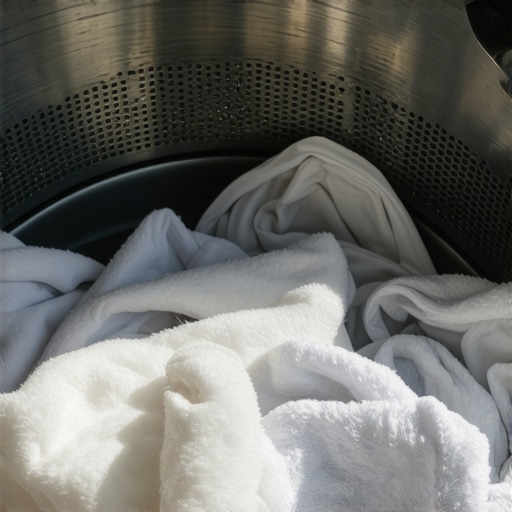
I remember standing over my brand-new high-efficiency machine, watching through the glass lid as my work clothes tumbled around in what looked like about three cups of water. It was infuriating. I had spent a small fortune on one of the best top-load washers on the market, yet my clothes were coming out with dry patches and white residue. If you have ever felt that specific brand of new appliance regret, I am right there with you. We are told these machines are smarter, but sometimes they are just stingy. Today, I am going to walk you through the exact methods I used to bypass those annoying water limits and actually get my clothes submerged. We are going to fix the thirst problem once and for all without calling a repairman or voiding your peace of mind.
The Frustrating Reality of Modern Water Conservation
It is not just your imagination; machines really do use less water now than they did a decade ago. In fact, according to the U.S. Department of Energy, standards for clothes washers have become significantly more stringent, requiring manufacturers to slash water consumption to meet federal efficiency guidelines. While washing machines that save water are objectively better for your utility bill, they often fail when it comes to heavily soiled work gear, muddy kids’ clothes, or thick king-sized bedding. I made the classic mistake early on of trying to help the machine by dumping a five-gallon bucket of water into the drum mid-cycle. Do you know what happened? The smart sensors freaked out, assumed there was a catastrophic leak, and immediately engaged the pump to drain the entire tub. It was a soggy, expensive lesson in how not to outsmart a computer. The real issue is that these machines rely on load weight and a complex sensing phase to determine the water level, which is why you often find yourself searching for ways to fix a washing machine that is stuck on the sensing cycle.
Is forcing more water into the drum actually safe for the machine?
You might be skeptical, thinking the engineers surely knew what they were doing when they programmed these low levels. However, if you are regularly seeing white streaks on your dark clothes, that is a clear, visual sign that the dirt and detergent are simply not being rinsed away. I have spent months experimenting with different load-layering techniques, pressure switch adjustments, and software ‘cheat codes’ for various major brands. I am here to tell you that getting that extra four or five inches of water is absolutely worth the effort for the sake of your wardrobe’s longevity and your own hygiene. Have you ever opened your washer mid-spin only to find a t-shirt that hasn’t even been fully dampened? I would love to hear if you have faced that same frustration, because it helps me narrow down which specific models we need to investigate next. Let’s dive into the literal mechanics of how these sensors work and how we can gently nudge them to be a bit more generous.
Add Weight Before You Press Start
The easiest way to get more water is to lie to your machine’s weight sensors. Most modern units, especially those in the smart appliances revolution, use a sensing phase to determine how heavy the load is before the water starts flowing. If you put in dry clothes, they are light, and the machine responds with a stingy puddle. To bypass this, I use the ‘wet load’ trick. I take about a third of the laundry I plan to wash, soak it in the sink until it is heavy, and then place it at the bottom of the drum. When the machine starts its sensing cycle, it feels that extra weight and assumes you have a massive, dense load of laundry. It responds by dumping significantly more water into the tub. This is a great way to simplify laundry day without needing a toolbox.
Calibrating the Water Level Pressure Switch
If the wet load trick feels like too much work for every wash, you can perform a more permanent ‘hardware’ bypass. Every washer has a pressure switch, which is essentially a diaphragm connected to a small plastic tube. As water fills the drum, air pressure builds up in that tube and pushes against the switch. Think of it like a see-saw: once the pressure is high enough, the switch clicks, telling the computer the tub is full. Most of these switches have a small plastic screw in the center that determines the tension on that see-saw. I remember the first time I tried this; I was terrified I would flood the laundry room. I took the back panel off, found the switch, and gave the screw a half-turn clockwise. The result? The machine filled an extra four inches. It was the first time I hadn’t seen white streaks on dark clothes in months. This is the ultimate way to bypass the smart features on your appliance for manual use. 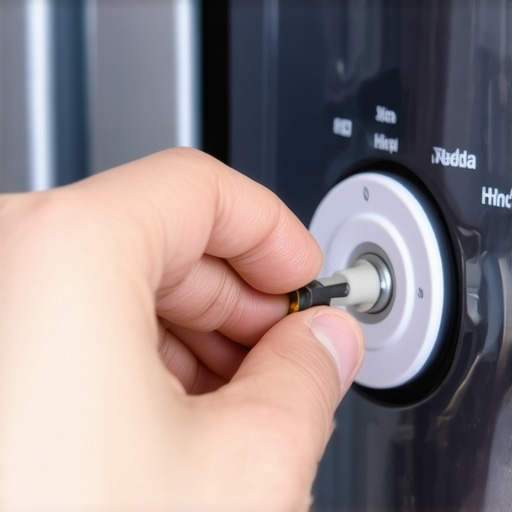
Stop Ignoring the Heavy Duty Settings
Sometimes the answer isn’t a hack, but simply knowing the best energy saving settings for your smart washing machine are often the ones starving your clothes of water. Many people default to ‘Normal’ or ‘Eco’ cycles because they want to be environmentally conscious. However, the ‘Bulky Items’ or ‘Deep Fill’ settings are specifically programmed to ignore the most aggressive water-saving algorithms. Even if you are just washing a medium load of t-shirts, selecting the ‘Bedding’ or ‘Heavy Duty’ cycle often triggers the machine to use a higher default water level. It is also important to ensure you aren’t fighting a software glitch; if your machine keeps stopping, you may need to fix a washing machine that is stuck on the sensing cycle by resetting the control board. By combining the right cycle with a properly calibrated pressure switch, you can transform a frustratingly ‘efficient’ machine into a high-performance workhorse.While we have focused on hacking the water levels in your washer, the same ‘efficiency’ logic applies—often detrimentally—to your dishwasher. Everyone tells you that Eco-Mode is the ultimate way to go green, but in my experience, it is often a trap for the modern homeowner. When you rely on the truth about the eco-mode on your new dishwasher, you are frequently opting for lower temperatures that fail to break down grease effectively. This leads to what I call the ‘double-wash tax’—you end up running the machine twice or hand-scrubbing afterward, which obliterates any water savings. According to the Association of Home Appliance Manufacturers (AHAM), modern HE cycles are intentionally lengthened to compensate for reduced water, but they rely heavily on the chemical action of detergent working at specific temperatures to actually clean.
How much does your dishwasher actually know about your dirty dishes?
Most high-end units today feature something called a turbidity sensor. This little optical eye looks at how cloudy the water is to determine if it needs more fresh water. The nuance that most people miss is that if you pre-rinse your dishes too thoroughly, you are essentially lying to the brain of the smart appliances revolution how to choose the best dishwasher. The sensor sees clear water, assumes the load is clean, and shortens the cycle before the stuck-on proteins are actually gone. It is a classic case of ‘helping’ the machine into a mistake that leaves your plates filmy.
The Detergent Pod Trap You Need to Avoid
There is a specific mistake I see people make constantly: using pods on the ‘Quick’ or ‘Express’ cycles. It is a recipe for a gooey mess and potentially a clogged drain. These pods are wrapped in a polyvinyl alcohol (PVA) film that requires time and heat to dissolve. If you are noticing why your dishwasher pods are not dissolving in short cycles, it is likely because the machine did not hit the required 120°F (49°C) fast enough to melt the casing. You end up with a semi-dissolved lump in the bottom of the tub and dishes that were essentially washed in plain water. 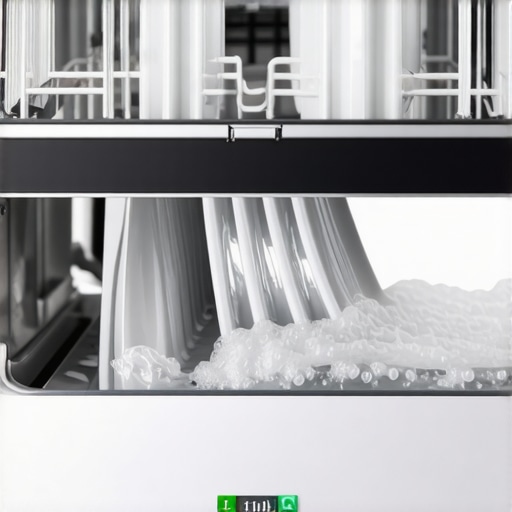 When you are looking at how to tell if your appliances eco-friendly tag is just marketing, remember that the most sustainable appliance is the one that works perfectly the first time. It is often better to use a washing machine that saves water only when the load is lightly soiled, rather than forcing it to handle heavy-duty tasks it was not designed for. Have you ever fallen into this trap of over-rinsing or over-trusting the ‘Eco’ button only to find a mess? Let me know in the comments, because I want to hear your horror stories about ‘smart’ tech being a little too dumb.It is one thing to get your machine to behave for a single cycle, but keeping it in peak condition requires moving beyond just pressing ‘Start.’ I have found that the biggest threat to these high-tech machines is actually low-tech buildup. For instance, I always keep a specific Klein Tools Digital Multimeter in my kitchen drawer. Why? Because when my dishwasher stopped drying, I didn’t call a tech; I pulled the kickplate and checked the resistance of the heating element myself. If you are not getting heat, you can easily tell if your dishwasher heating element is actually broken by looking for a reading between 15 and 30 ohms, as recommended in most Sears PartsDirect technical service manuals.
Stop the Grime Before It Breaks Your Machine
Most people ignore the physical filters until the machine literally stops mid-wash. I make it a habit to check the macerator and the fine-mesh filter every month. If you are dealing with standing water, knowing the 5-minute fix for a washing machine that wont drain can save you a $150 service call fee. I also use a specialized flexible brush to clear the lint path in my dryer—not just the trap, but the actual internal ducting. This prevents the back-pressure that often burns out thermal fuses prematurely. 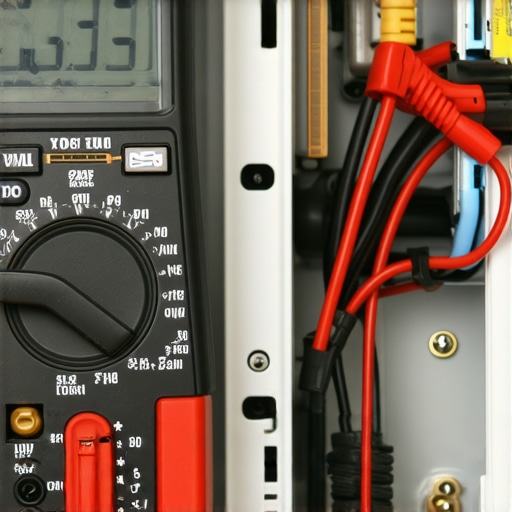
How do I keep these smart units from dying early?
The secret is a mix of hardware cleaning and software hygiene. We often forget that these are basically computers that happen to wash clothes. I always make sure to update your smart fridge software without crashing the system whenever a stable build is released. Forgetting to update can lead to sensor drift, where your fridge starts lying to you about the temperature. If you notice your milk spoiling faster than usual, it might be time to recalibrate your refrigerators internal thermometer for better cooling.
The Future of Your Kitchen is One Unified Brain
Looking ahead, the future of home appliances trends to watch in 2025 point toward total integration via the Matter protocol. We are moving away from having five different apps for five different machines. Soon, your top smart appliances for a seamless home experience in 2025 will talk to each other to balance the electrical load of your house. Your dryer might wait ten minutes for the dishwasher to finish its heating phase just to keep your peak energy usage down. It is a level of automation that was sci-fi five years ago but is becoming the standard now. My advice? Go to your dishwasher right now, unscrew the lower spray arm, and check for any trapped lemon seeds or plastic bits. You will be shocked at how much better it performs tonight.
Hard Lessons from My War with Efficiency Sensors
I spent years assuming the machine knew best, but the biggest takeaway was realizing that sensors prioritize energy ratings over actual cleaning results. First, always trust your eyes over the ‘Done’ light; if your clothes still have residue, the cycle failed regardless of what the screen says. Second, I learned that detergent buildup is a silent killer, often causing the very sensor errors that lead to water starvation. Third, I discovered that even an ultimate guide to smart home appliances for a modern living can only take you so far—you have to be willing to physically inspect your drum and filters. Finally, the most important lesson: software updates are not optional if you want your sensors to remain calibrated and avoid the dreaded ‘sensing’ loop.
The Gear I Use to Outsmart My Appliances
You do not need a degree in engineering to fix these issues, but you do need the right toolkit. I swear by a basic digital multimeter for checking heating elements and a long-reach flexible dryer brush for those deep-lint clogs that cause overheating. I also keep a printed copy of my machine’s technical service manual—the one intended for repairmen—tucked behind the unit for quick reference. For digital optimization, I use a dedicated tablet to monitor my home network and save money on your electric bill by changing three fridge settings that the factory defaults usually ignore. I also rely on high-quality mesh laundry bags to prevent small items from reaching the drain pump.
Stop Letting Your Washer Boss You Around
You bought these machines to serve your household, not to conform to a factory-set algorithm that leaves your clothes half-dirty. By taking these small steps—checking your macerator, adjusting your pressure switches, and mastering the best way to load a dishwasher for maximum water flow—you reclaim your time and the longevity of your wardrobe. Even if you specifically sought out washing machines that save water, you still have the power to ensure they actually perform when it matters most. Have you ever tried the ‘wet load’ trick or successfully adjusted a pressure switch yourself? Let me know in the comments below!