

I remember the first night in my 350-square-foot studio. It was perfect—the exposed brick, the big window—until the sun went down and the fridge kicked on. It sounded like a tractor was idling right next to my head. I actually spent the first week wearing earplugs just to get through the night, which is no way to live. I eventually realized that my bargain appliance was the culprit, and that started my obsession with finding appliances that actually respect the peace of a small home. If you have ever had to pause a movie because the compressor started its roar, you know exactly what I am talking about. Today, I am going to help you skip that headache and find a unit that stays in the background where it belongs.
Your Fridge Shouldn’t Sound Like a Heavy Metal Drummer
When you live in a small room, every decibel counts. Most people look at the price tag or the energy rating, but they completely ignore the noise output until it is 2 AM and the clicking starts. One of my biggest blunders early on was buying a cheap dorm-style unit without checking its dBA rating. I quickly learned about the hidden costs of cheap budget appliances, where the cost is actually your sanity. If you are currently choosing the right refrigerator, you need to look beyond the exterior aesthetics. Modern units are designed better, but high-efficiency compressors sometimes behave differently. You might even find that your high-efficiency fridge runs more often than your old one, but it should do so at a much lower volume. According to the acoustics experts at the Acoustical Society of America, a refrigerator should ideally stay under 40 decibels if it is located in a sleeping area, which is roughly the volume of a library whisper.
Are silent refrigerators just a marketing gimmick?
It is a fair question. Silent is a bold claim for a machine that uses pumps and fans. The truth is, no fridge is 100% silent, but there is a massive difference between a dull hum and a loud humming noise that vibrates through the floorboards. When I finally switched to a model specifically rated as one of the quietest refrigerators for open concept kitchens, it was like a weight lifted off my shoulders. I could finally hear my own thoughts again. We are going to dive into the exact models that balance size, cooling power, and most importantly, silence. Have you ever been driven crazy by a clicking appliance in the middle of the night? Let me know, because we are about to fix that for good.
Look for the Golden 38-dBA Threshold
To find a fridge that won’t keep you awake, you have to become a specification hawk. Most standard refrigerators operate between 45 and 50 decibels (dBA). While that sounds low, in a studio apartment, it is like having a lawnmower in your living room. You want to hunt for units specifically rated at 40 dBA or lower. When I was shopping for the best slimline fridges for tiny houses and van conversions, I realized that 38 dBA is the ‘sweet spot’ where the sound blends into the background noise of a quiet city street. Think of the decibel scale like a staircase; every 3-decibel increase represents a doubling of sound intensity. So, a 43-dBA fridge is twice as loud as a 40-dBA one. Don’t just take the salesperson’s word for it; look for the energy label or the manufacturer’s spec sheet where the noise level is legally required to be listed in many regions.
Level Your Unit to Kill the Rattles
Even the world’s quietest compressor will sound like a drum kit if the fridge isn’t sitting flat. I learned this the hard way in my second apartment, which had floors so slanted I could practically roll a marble from the kitchen to the bathroom. My brand-new fridge hummed like a vibrator against the floorboards every time it cycled on. I spent a frantic Tuesday night at 3 AM on my hands and knees, finally realizing I needed to how to adjust the feet on your refrigerator to stop it from rocking. Once the unit was perfectly level, the rattling stopped instantly. Use a spirit level on top of the unit and adjust the front legs until the bubble is dead center. This keeps the internal coolant flowing smoothly and prevents the compressor from straining against gravity, which is often the source of that deep, bone-shaking vibration. 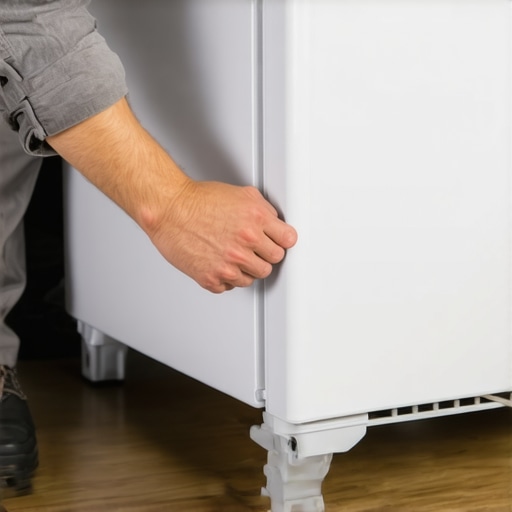
Clean the Coils or Face the Roar
A dirty fridge is a noisy fridge. Your compressor is like a heart; if it has to pump harder to keep things cool, it gets louder. Dust and pet hair act like a thick winter coat on your refrigerator’s coils, trapping heat and forcing the motor to run at high speed for longer periods. If you want to know the secret to making your refrigerator last twice as long, it is regular maintenance. Grab a vacuum attachment or a long-handled brush and learn how to keep your refrigerator coils clean in a pet-friendly home. Doing this twice a year won’t just lower the decibels; it will also reflect positively on the best energy efficient fridge settings for your utility bill, saving you cash while preserving your peace.
Silence the Mysterious Midnight Clicks
If you hear a sharp ‘snap’ or ‘click’ coming from the kitchen, don’t panic—it’s probably not a ghost. Modern fridges use plastic parts that expand and contract as the temperature changes during the defrost cycle. However, if it’s constant, you might need to investigate why your refrigerator is making a clicking noise every ten minutes. This often indicates a relay struggling to start the compressor. Keeping the area around the fridge clear of clutter ensures better airflow, which reduces these temperature swings and the accompanying noises. By managing the environment around the appliance, you are giving the machine the best chance to run silently.
Smart Tech is More Than Just a Tablet Glued to Your Fridge
It is easy to get caught up in the hardware, but after years of testing these units, I have realized that most people mistake complexity for capability. We often think a smart fridge is just a regular box with a tablet on the door, but the real genius is under the hood. If you are following the ultimate guide to smart home appliances for a modern living, you will see that the best tech is actually invisible. For instance, the biggest myth in the laundry room is that more water and more soap equals cleaner clothes. In reality, modern high-efficiency units are designed to work with minimal resources. This is where most people fail: they treat a 2025 machine like it is a 1990s agitator. I have seen so many people wonder why your high efficiency washer uses barely any water, only to try and ‘fix’ it by adding more detergent. That is the ultimate trap.
The Soapy Trap That Ruins Your Machine’s Performance
Most homeowners believe that if the suds are not overflowing, the machine is not working. This is a dangerous misconception. Modern washing machines that save water use a tumble action that relies on friction between the clothes, not a bubble bath. When you add too much soap, you create a cushion of suds that actually prevents the clothes from rubbing together, leaving them dirty. Even worse, that excess soap builds up in the outer drum. You might eventually find yourself wondering why your washer doesn’t need a whole cup of detergent when your clothes start smelling like mildew despite being ‘clean.’ Consumer Reports has frequently highlighted that using too much HE detergent creates a biofilm that traps bacteria and can eventually lead to electronic sensor failure. 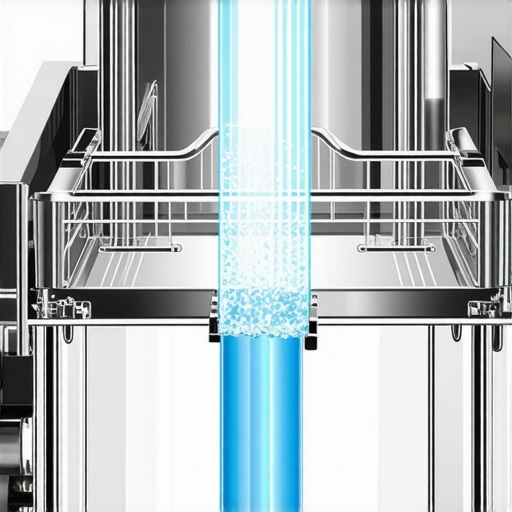
Can your dishwasher really tell if the plates are clean?
It sounds like science fiction, but it is actually the most important feature you are probably ignoring. Modern innovative dishwashers with AI technology use something called a turbidity sensor. This sensor shines a light through the wash water to see how murky it is. If the water is clear, the machine cuts the cycle short to save energy; if it is dirty, it keeps going. The ‘oops’ factor here is pre-rinsing your dishes. If you scrub every plate clean before putting it in, the sensor thinks the job is done and runs a light, weak cycle, which might actually leave the stubborn bits behind. If you are leading the smart appliances revolution in your own kitchen, you have to trust the sensors to do their job. Have you ever fallen into the ‘more soap is better’ trap or spent twenty minutes scrubbing plates before they even hit the dishwasher? Let me know in the comments, because these old habits are actually the biggest enemy of your expensive new tech.
The Hidden Cost of Ignoring Software Updates
We think of a dishwasher or a fridge as a static object, but in 2025, they are more like computers. One nuance that advanced users often miss is the necessity of firmware updates. A ‘glitchy’ fridge screen or a washer that keeps pausing might not have a mechanical fault; it might just be running outdated code. Before you call a repairman, look into the hidden reset button on your smart refrigerator that fixes glitches. Sometimes a simple digital refresh is all it takes to recalibrate the sensors and get those decibel levels back down to that library-quiet whisper we talked about earlier. By understanding the software side, you are avoiding the hidden costs of cheap budget appliances that lack long-term digital support.I’ve spent thousands on gadgets, but the most important ‘smart’ tool I own is actually a $15 flexible coil brush and a simple spirit level. It sounds low-tech, but you can have the most advanced AI in the world, and it won’t matter if your fridge is leaning two degrees to the left or suffocating under a layer of golden retriever fur. If you really want to know the secret to making your refrigerator last twice as long, you have to treat it like a car, not a cupboard. I personally make it a habit to pull my unit out every six months to clear the debris. It’s the only way to ensure those best energy efficient fridge settings actually translate to lower bills.
Don’t let a tiny gasket leak kill your compressor
While you are back there, check the seals. A leaking gasket is the silent killer of efficiency. I use the ‘dollar bill test’—if I can slide a dollar through the closed door, the seal is shot. Keeping these areas clean is vital, so make sure you know the best way to clean your dishwasher door seal without tearing it or the equivalent on your fridge. According to technical documentation from the Association of Home Appliance Manufacturers (AHAM), even minor air leaks can cause a compressor to cycle 30% more often than intended, drastically shortening its mechanical life. 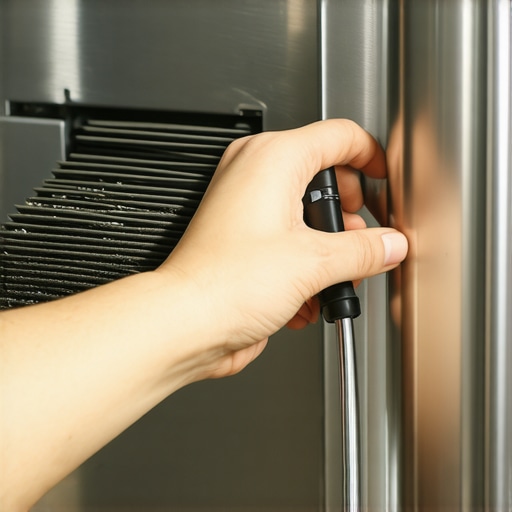
How do I maintain my smart kitchen over time?
The key is a mixture of physical cleaning and digital hygiene. For the physical side, don’t ignore the hidden parts; you should occasionally how to clean the hidden debris under your refrigerator grille. For the digital side, I recommend a monthly check of your appliance app to see if there are any sensor alerts you missed. Sometimes, a smart fridge knows it’s struggling before you do. If the internal thermometer seems off, you might need to how to calibrate your smart fridge temperature sensors to keep your groceries from spoiling. It’s also the perfect time to the easiest way to clean the filter in your dishwasher, which is often the culprit behind those ‘why aren’t my dishes clean?’ mysteries.
The era of the self-diagnosing kitchen is almost here
Looking ahead to the future of home appliances, we are moving toward ‘proactive repair.’ In the next couple of years, I expect to see sensors that can detect the specific frequency of a failing ball bearing in your washer before it starts banging. We’ll see systems that don’t just tell you the filter is dirty but actually back-flush themselves using high-pressure air. Until then, we are the first line of defense. My challenge to you: go grab a spirit level right now and check if your fridge or washer is actually flat. It takes two minutes and could save you a $300 service call. If you’re still seeing issues, don’t hesitate to contact us or check out our ultimate guide to smart home appliances for a modern living for more deep dives into the tech.
The Most Expensive Mistakes I Made With My First Smart Kitchen
I used to think that ‘smart’ meant ‘indestructible,’ but I quickly found out that more sensors just mean more things to keep clean. I spent months frustrated by a noisy laundry room before I figured out that the reason your washing machine vibration pads aren’t working is usually due to an uneven subfloor, not the pads themselves. Another big ‘aha’ moment happened in my kitchen; I realized that why your dishwasher pod isn’t dissolving completely is often because the water heater is set too low, preventing the plastic casing from melting during the first rinse. Finally, I learned that how to test if your fridge door seal is actually airtight is a task you should do every single season to prevent your energy bill from creeping up and your compressor from working overtime.
My Go-To Toolkit for a Flawless Kitchen
You don’t need a degree in engineering to maintain refrigerators in 2025, but you do need a few physical tools. I always keep a magnetic spirit level in my junk drawer to check for settling floors that cause rattles. I also rely on the official manufacturer apps to keep track of filter life—ignoring those alerts is how you end up with cloudy ice or smelly water. For those aiming for a top smart appliances for a seamless home experience in 2025, I highly recommend a soft micro-fiber set for cleaning screens and a long-reach vacuum attachment for the rear coils.
#IMAGE_PLACEHOLDER_E#
Building a Home That Actually Listens to You
The transition to a truly automated home is a journey, not a weekend project. It’s about finding that perfect balance between high-tech convenience and old-school maintenance. When you take care of your washing machines that save water and your whisper-quiet fridges, they take care of you by staying out of the way. Don’t let the technology intimidate you; once you master the levels and the cleaning cycles, you’ll wonder how you ever lived without them. Have you ever had a smart appliance ‘glitch’ on you at the worst possible time? Let me know in the comments below!