
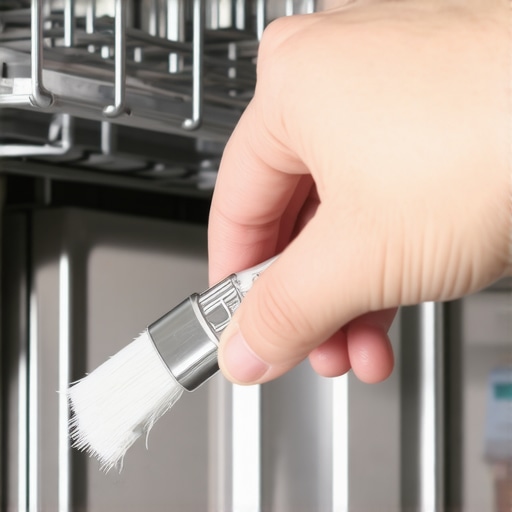
I stood in my kitchen last Tuesday, coffee in hand, squinting at a supposedly clean wine glass that looked like it had been etched with a layer of milk. It was beyond frustrating. I had recently invested in one of those innovative dishwashers with AI technology, fully expecting my days of inspecting plates to be over. I was wrong. My expensive, whisper-quiet machine was failing at its one job, and it wasn’t because the motor was dying or because I was using the wrong detergent. It was because I had fallen for the biggest myth in modern home maintenance: the idea that ‘self-cleaning’ means ‘maintenance-free.’ I realized that while we obsess over the easiest way to clean the filter, we are completely ignoring the tiny ‘brain’ of the machine that actually decides when the dishes are done.
That Shiny Turbidity Sensor is Probably Blinded by Bacon Grease
Let me let you in on a little secret that the manufacturers don’t exactly put in the bold print of the manual. Tucked away near the sump of your machine is a tiny plastic nub called a turbidity sensor. This little guy’s entire job is to shine a beam of light through the wash water to see how murky it is. If the water is dirty, the cycle keeps going. If it’s clear, the machine stops to save energy. But here is the kicker: I made the rookie mistake of assuming the hot water and soap would keep that sensor clean. In reality, a thin, invisible film of grease and hard water minerals can coat that sensor. When that happens, the sensor ‘goes blind.’ It might think the water is clean when it’s actually filthy, leading to that annoying cloudy film on glasses that drives us all crazy. I spent months blaming my dishwasher pod not dissolving properly, when the real culprit was a dirty sensor that was cutting the wash cycle short because it couldn’t see the grime.
Does Manual Cleaning Defeat the Purpose of a Smart Appliance?
You might be thinking, ‘Wait, I paid extra so I wouldn’t have to do this.’ I get it. We want to sync our smart kitchen appliances and forget they exist. But even the smartest tech needs a human touch. According to the International Journal of Consumer Studies, the reliability of optical sensors in domestic environments can drop by nearly 30% when biofilm or mineral scaling is present. It doesn’t matter if you have the top smart appliances for 2025; physics still applies. If the eye can’t see, the brain can’t think. I’m going to show you exactly how to find this hidden sensor and why a thirty-second scrub with a soft cloth will do more for your dishes than any ‘heavy duty’ cycle ever could. Have you ever noticed your dishwasher cycle getting shorter and shorter while the dishes get dirtier? That’s the classic sign of a blinded sensor. Let’s get in there and fix it before you waste another gallon of rinse aid.
Get Down in the Trenches to Find the Sensor
To get your machine back to peak performance, you first need to gain access to its belly. Start by pulling out the bottom rack entirely and setting it aside. If you have a model with a removable spray arm, pop that off too. You are looking for a small, translucent plastic component—it often looks like a tiny dome or a clear rectangular tab—usually located right next to the sump or the heating element. While you are down there, it is the perfect time to check the easiest way to clean the filter because a clogged filter often goes hand-in-hand with a dirty sensor. Think of the turbidity sensor as the machine’s eyes; if the filter is the ‘lungs’ of the system, keeping both clear is the only way to ensure the ultimate guide to smart home appliances actually works in your favor.
Treat the Sensor Like a Pair of Expensive Glasses
Once you’ve spotted the sensor, don’t go reaching for the steel wool. This is where most people go wrong. The plastic casing on these sensors is surprisingly delicate. If you scratch it, you’ll create permanent ‘blurriness’ that no amount of cleaning can fix, eventually leading to a situation where you might need to fix a dishwasher that leaves water in the bottom because the cycle never finishes correctly. Instead, grab a soft microfiber cloth dipped in a 50/50 mix of warm water and white vinegar. Gently wipe the surface of the sensor. You’ll likely see a greyish slime on the cloth—that is the biofilm and calcium buildup that was tricking your machine. 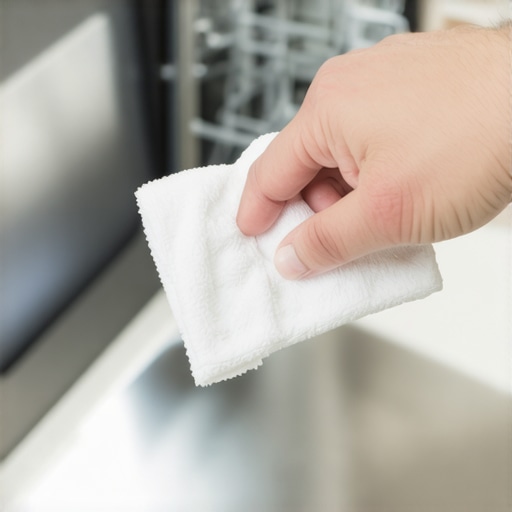
The Time I Almost Scratched My Way to a Costly Repair
I remember the first time I tried this. I was so annoyed by the spots on my plates that I went in with a stiff nylon brush, thinking I needed to ‘scrub’ the problem away. I heard a faint scraping sound and realized I was about to ruin a three-hundred-dollar part. I had to stop, take a breath, and realize that smart tech requires a soft touch. It’s the same logic you apply when you deep clean the gasket on your dishwasher; brute force is usually the enemy of a tight seal or a clear sensor. After I switched to a soft cloth and finished the job, the next cycle was a revelation. For the first time in months, the ‘Auto’ cycle actually ran for the full duration, and the glasses came out sparkling.
Don’t Let the Rest of the Brain Go Dusty
While the dishwasher sensor is the most common culprit for poor performance, this ‘blindness’ happens across the kitchen. If you want your home to run efficiently, you have to look for these hidden nodes. For instance, knowing how to keep your refrigerator coils clean is the fridge equivalent of cleaning the turbidity sensor. Both tasks involve removing the invisible barriers that prevent the machine from ‘feeling’ its environment. When sensors are blocked by pet hair or grease, the motors work overtime, energy bills spike, and the ‘smart’ features become useless. It takes less than five minutes of manual maintenance a month to keep these high-tech systems from reverting to ‘dumb’ machines.
I see it every single time I visit a friend’s house: the compulsive need to fill the detergent cap to the very top. It’s the ultimate ‘smart home’ paradox. We buy top smart appliances for a seamless home experience, yet we treat them like the rugged, mechanical beasts from our parents’ generation. The truth is, more soap does not equal cleaner clothes; in the world of high-efficiency (HE) tech, it actually equals a slow, bubbly death for your machine’s motherboard. Most people believe that ‘heavy duty’ settings and extra soap are the keys to hygiene, but in my experience, the ‘less is more’ approach is the only way to prevent your machine from throwing a digital tantrum.
The Over-Sudsing Trap that Kills Smart Washers
Here is the ‘oops’ factor that almost nobody talks about: suds lock. When you use too much detergent, your smart washer’s sensors get overwhelmed by the foam. The machine thinks the water hasn’t drained because the suds are triggering the pressure sensors. This is exactly why your energy efficient washer takes so long to finish—it’s stuck in a perpetual rinse cycle trying to kill the bubbles you created. According to a study by the Association of Home Appliance Manufacturers (AHAM), using just two tablespoons of HE detergent is usually more than enough for a standard load, yet the average consumer uses nearly three times that amount. This excess creates a film on the outer tub that eventually leads to that ‘swamp smell’ we all hate.
Is Your Laundry Detergent Actually Damaging the Circuit Board?
It sounds dramatic, but I’ve seen it happen. Excessive sudsing can cause leaks that find their way into the delicate electronic components. If you’ve ever wondered how to fix a smart washer that keeps pausing mid-cycle, the answer often isn’t a broken motor, but a confused computer trying to manage a ‘suds error.’ We have to stop treating these machines like buckets and start treating them like the computers they are. I made the mistake once of using ‘old school’ detergent in a new HE machine because I liked the scent, and within a week, the display was flashing codes I didn’t recognize. It’s a costly lesson in why the truth about high-efficiency detergent matters more than the marketing on the bottle.
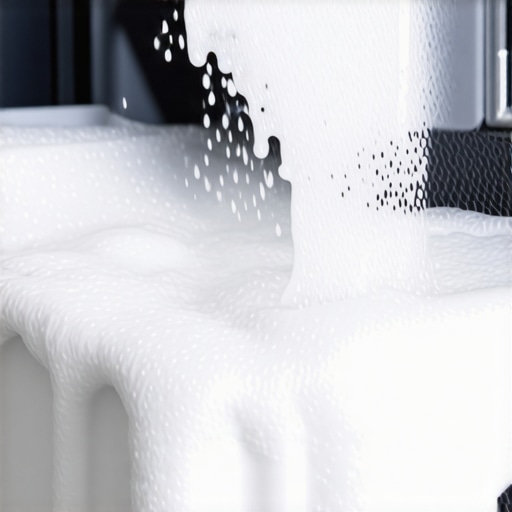
The same logic applies to your fridge. People think that stuffing a smart refrigerator to the gills is fine because it has ‘precision cooling.’ But if you block the air vents, those expensive refrigerators in 2025 will simply burn out their compressors trying to reach the target temperature. You are essentially asking the ‘brain’ of the fridge to solve a physics problem it can’t win. Understanding why your high-efficiency washer uses barely any water or why your fridge needs breathing room is the difference between an appliance that lasts five years and one that lasts fifteen. Have you ever fallen into this trap of ‘over-servicing’ your appliances only to have them break? Let me know in the comments, and let’s stop over-soaping our way into expensive repair bills.
I’ve realized that owning top smart appliances for a seamless home experience in 2025 is only half the battle; the other half is being the ‘IT department’ for your kitchen. I don’t just ‘clean’ my appliances; I audit them. Every three months, I pull out my fridge to vacuum the back. If you have pets, you need to know how to keep your refrigerator coils clean because that hair acts like an insulating blanket that slowly kills the motor. I personally use a long, flexible coil brush—not a vacuum attachment—because it actually dislodges the compressed dust that a vacuum misses, preventing the compressor from overheating. This is the secret to making your refrigerator last twice as long without needing a single service call.
How do I keep my high-tech kitchen gadgets running like new over time?
The key to longevity isn’t a magic chemical; it’s consistency and software health. We often forget that these are essentially computers. Just like your phone, your refrigerators in 2025 need regular firmware updates to patch bugs that might be causing the compressor to cycle too often or the defrost timer to glitch. I’ve seen cases where a simple update fixed a bug that was causing ice makers to overfill. According to the IEEE Consumer Electronics Magazine, the degradation of capacitive touch interfaces in high-humidity kitchen environments is accelerated by 40% when caustic cleaning agents like ammonia are used instead of dedicated screen-safe wipes. If you’re seeing ghost touches or a laggy interface on your panel, you might need to learn how to hard reset your smart refrigerator control panel to clear the cache and restore responsiveness.
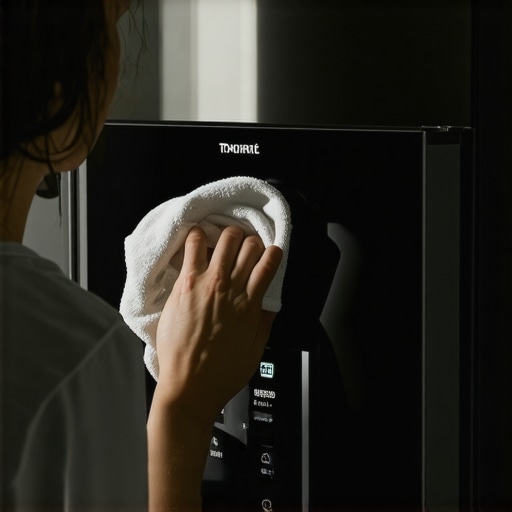
I predict that by 2027, the manual maintenance we do today will be largely automated. The future of home appliances lies in edge-computing AI that predicts part failure before it happens. Your washer will tell you, ‘Hey, the drain pump vibration has increased by 5%, order a replacement now.’ Until then, you are the sensor. When you sync your smart kitchen appliances, use the central app to monitor energy spikes. A sudden jump in dishwasher power consumption usually means the heating element is struggling with mineral scale, and it’s time for a citric acid flush.
If you want to stay ahead of the curve, stop ignoring the notifications on your phone. Go into your appliance app today and check the ‘consumables’ or ‘health’ tab. Most people don’t realize their washing machines that save water actually track the number of cycles since the last tub-clean. Run that heavy-duty clean cycle tonight with a dedicated descaler. It’s the easiest way to prevent that ‘old basement’ smell from setting into your clothes and keeps the internal sensors from getting gummed up by detergent residue.
The Hardest Lesson I Learned While Babying My High-Tech Kitchen
After years of tinkering, I’ve realized that smart appliances are essentially sensitive high-performance athletes; they need specific fuel and recovery time. One of my biggest lightbulb moments was realizing that running a “Heavy Duty” cycle every day isn’t just overkill—it’s actively aging the machine’s components. I learned the hard way about the hidden cost of running your dishwasher on the heavy cycle daily when my heating element burned out prematurely. Another realization? Physical vibration is the silent killer of circuit boards. If your washer is dancing across the floor, even the best software won’t save it; you need to investigate the reason your washing machine vibration pads aren’t working before the internals shake themselves apart. My final tip? Trust your eyes over the machine’s ‘Clean’ light—if it looks cloudy, the sensor is likely the one at fault, not the soap.
#IMAGE_PLACEHOLDER_E#
My Go-To Toolkit for Taming Digital Machines
I don’t rely on expensive service calls anymore. Instead, I keep a few specific tools in my utility drawer. First is a simple bottle of citric acid crystals; it is the most effective way to strip mineral scale from a dishwasher’s ‘eye’ without using abrasive chemicals. Second, I always keep a dedicated app folder on my phone to monitor health alerts. For anyone looking for a deeper dive, the ultimate guide to smart home appliances is a fantastic starting point for understanding how these systems interact. When it comes to aesthetics, I’ve found that using the right technique for the best way to clean your stainless steel fridge without streaks actually prevents moisture from seeping into the door’s touch-panel electronics, which are surprisingly vulnerable to overspray.
Take Back Control of Your Smart Home
It is easy to feel intimidated by a machine that has more processing power than the Apollo 11 moon lander, but remember: you are still the boss. By spending just ten minutes a month on these manual checks, you ensure that the future of home appliances remains a convenience rather than a source of stress. Your smart home should work for you, not the other way around. Don’t be afraid to get your hands a little dirty to keep those sensors clean—your bank account and your sparkling dishes will thank you.
Have you ever found a hidden filter or a blinded sensor that completely changed how your appliance performed? Let me know your biggest maintenance surprise in the comments below!