
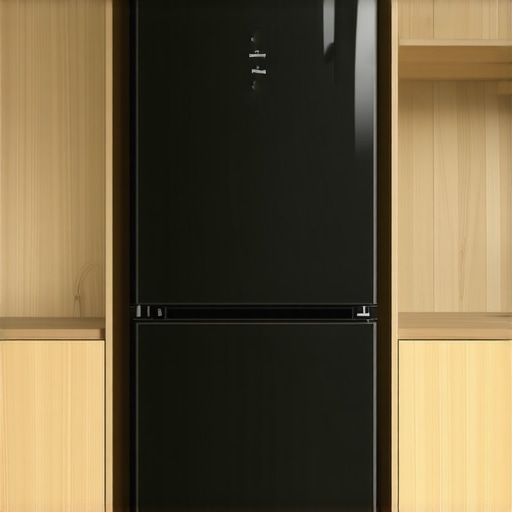
I still have a faint scar on my knuckles from the time I tried to reach into my first tiny house cupboard while the fridge door was open. It was a clunky, oversized beast that I’d bought because I was terrified of ‘going without.’ I learned the hard way that a refrigerator in a small space shouldn’t be a monolith; it should be a partner. I remember one specific Tuesday night—it was raining, I was tired, and I just wanted to make a quick stir-fry. But to get to the crisper drawer, I had to physically step out of the kitchen and into the ‘living room’ because the fridge door hit the opposite counter. It sounds funny now, but in that moment, I felt defeated by my own home. That is the moment I realized that choosing the right cooling unit isn’t just a luxury—it is the difference between a home that feels like a sanctuary and one that feels like a storage unit. Living tiny is about being incredibly smart with every square inch you own. Today, we are going to solve the puzzle of finding a fridge that keeps your kombucha cold without making you walk sideways.
Stop Letting Your Kitchen Feel Like a Narrow Hallway
When I first transitioned to a smaller footprint, I made the classic mistake of focusing on price over dimensions. I ended up with a unit that was so deep it blocked the path to my bathroom. It was a nightmare. You really need to look at the best compact refrigerators for tiny home kitchens under 24 inches to ensure you actually have room to move. It’s not just about the width; it’s about the depth and the clearance for the door swing. If you can’t open your fridge all the way because it hits a wall, you’ll never be able to clean the crisper drawers. Trust me, I’ve been there, scrubbing a shelf with a toothbrush because I couldn’t pull it out. If your space is truly tight, you might even consider the best under-counter refrigerators for minimalist kitchens to keep your sightlines open and your counters clear.
Can these smaller units really handle a week of groceries?
This is the number one thing people ask me. They’re afraid they’ll be running to the store every single day or living off canned beans. But here is the secret: it is about the internal layout, not just the total cubic feet. If you learn the best way to organize a small freezer for maximum storage, you can actually fit a surprising amount of meal-prepped goodness. My biggest early mistake was buying a cheap, unbranded dorm-style unit. It had zero temperature consistency, and I ended up throwing away more food than I ate because the back wall would freeze my lettuce while the door bin stayed lukewarm. I didn’t understand the real difference between inverter compressors and standard fridge motors back then, and my electric bill (and my spoiled milk) paid the price. To make sure you aren’t wasting energy, you should check the best energy-saving refrigerator models currently on the market. According to the U.S. Department of Energy, a faulty door seal can increase a refrigerator’s energy consumption by up to 25%, a catastrophic waste in a tiny home. Have you ever bought an appliance that looked great in the store but felt like a giant in your home?
Watch Out for the Depth Trap
[Placeholder for image] One thing people often overlook is the ‘cabinet depth’ vs ‘full depth’ distinction. Most ‘standard’ fridges stick out about 6 to 10 inches past your cabinets. In a tiny home, that is an absolute dealbreaker. You want something that sits flush. Before you buy, you must learn how to check if your refrigerator door seal is actually airtight, because a small unit working overtime due to a leak will heat up your entire small living space in no time.
Master the Math of Clearance and Airflow
I once shoved a high-end compact fridge into a custom-built plywood cubby so tight I actually had to use a bit of dish soap to slide it in. I thought I was a genius for ‘maximizing space.’ Two months later, the unit started making a sound like a prop plane taking off. I had choked the condenser coils. Modern units breathe from the back or the bottom, and if you don’t leave at least an inch of ‘breathing room’ on the sides and two inches at the back, you’re essentially asking the motor to run a marathon in a winter coat. Beyond just the gap, you have to account for the floor. If your tiny home is on a trailer or an uneven foundation, you must learn how to level a refrigerator on an uneven kitchen floor. If the unit isn’t level, the coolant won’t circulate properly, and your door might not stay shut, leading to a puddle on your floor. 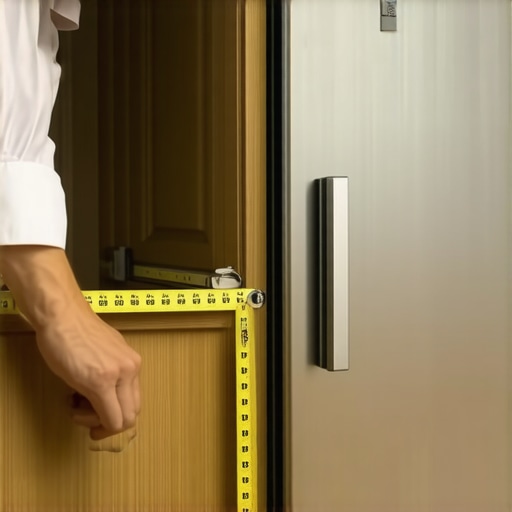
Avoid the Frost-Clogged Disaster
In smaller units, the distance between the cooling element and your food is much shorter. This means if you block the internal vents with a giant head of cabbage, you’ll trigger a chain reaction that ends with a block of ice forming over your sensor. When this happens, the fridge thinks it’s too warm and works even harder, ironically making the problem worse. You want to look for the best narrow refrigerators that do not sacrifice shelf space by using clever side-wall insulation rather than bulky internal fans. This keeps the air moving even when you’ve stocked up for the weekend.
Cut Your Electric Bill with Smarter Settings
Most people plug in their fridge and never touch the dial, but in a small space, the ambient temperature fluctuates wildly. If you’re cooking on a propane stove three feet away, your fridge has to fight that heat. You can significantly reduce the strain on your solar battery or your wallet by knowing how to save money on your electric bill by changing three fridge settings, such as adjusting the power-save mode and optimizing the humidity controls for your specific climate.
Don’t Let Your Food Go to Waste
Every square inch of a tiny fridge is valuable real estate. If a jar of pickles gets pushed to the back and forgotten for six months, it’s not just gross—it’s taking up 5% of your total storage capacity. This is where modern tech actually makes sense. You can learn how to use your smart fridge to track expiration dates automatically, ensuring you eat what you buy. It sounds like a gimmick until you realize you’ve saved fifty dollars in spoiled groceries in a single month because the app nudged you to eat the spinach before it turned into slime.
Listen to the Machine Before it Fails
In a small home, you are much closer to your appliances than in a traditional house. You will hear every click and whirr. Instead of tuning it out, learn the ‘language’ of your kitchen. A sudden increase in vibration or a rhythmic clicking can be an early warning sign of a mechanical issue. It is vital to know how to spot a failing refrigerator compressor before it dies. Catching a failing part early is the difference between a simple repair and a $800 replacement that you have to figure out how to haul through a narrow 24-inch wide front door.Let’s dig deeper into the laundry room, where the most common mistakes aren’t about the machine’s price tag, but about its chemistry. You probably think that more bubbles mean cleaner clothes, but in a high-efficiency world, suds are actually your enemy. Excess soap creates a ‘suds lock’ that prevents the mechanical action of fabrics rubbing against each other, which is the primary way dirt is dislodged. This is why you must master the secret to using less detergent in your high efficiency washer. If you overdo it, you’ll likely eventually wonder why your washing machine smells like damp towels even after a wash—it is because that excess soap turns into a slimy biofilm that feeds mold behind the drum. 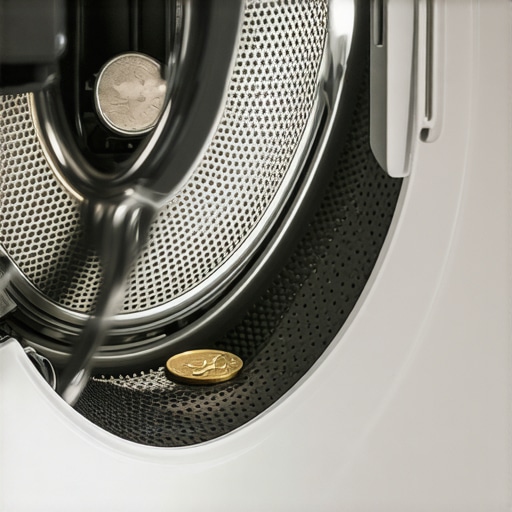
Stop Blaming the Machine for Long Cycle Times
I hear it all the time: ‘My old top-loader finished in 30 minutes, why does this new one take two hours?’ We have been conditioned to think speed equals efficiency, but it is the opposite. Modern units use significantly less water but take more time to ‘dwell’ and tumble, which uses far less energy than heating a massive drum of water quickly. If you’ve been frustrated by the wait, you should look into why your high efficiency washer takes so long to finish a cycle before you call a technician for a ‘fault’ that is actually a feature. Similarly, the truth about the eco mode on your new dishwasher is that it trades time for temperature. A study by the Association of Home Appliance Manufacturers (AHAM) suggests that while these cycles seem endless, they are scientifically optimized to break down complex food proteins without the energy-intensive heat spikes of the past.
Is Your Home Network Actually Sabotaging Your Kitchen?
One of the most sophisticated traps for modern homeowners involves the ‘smart’ aspect of their appliances. I’ve seen people return perfectly good machines because the app wouldn’t connect. The nuance here is the radio frequency. Most smart appliances are engineered to communicate only on 2.4GHz bands for better range through walls, yet your high-end mesh router likely defaults to a 5GHz signal. This mismatch is exactly why your smart washer wont connect to your 5ghz router. It is not a hardware failure; it is a basic networking mismatch that most ‘geniuses’ overlook.
Don’t Ignore the Hidden Trap Door
Finally, let’s talk about the ‘oops’ factor of maintenance. In my years of living with these machines, the number one reason for a ‘broken’ pump is actually just a stray coin or a hair tie stuck in the drain filter. Most people don’t even know this filter exists until their floor is flooded. Learning the secret to cleaning a front load washers hidden filter can save you a $150 service call for what is essentially a five-minute maintenance task. Have you ever fallen into this trap of over-soaping or fighting with a ‘smart’ feature that felt anything but smart? Let me know in the comments.Beyond the simple filters, I’ve become obsessed with precision. Every six months, I break out my independent digital thermometer. Why? Because I’ve learned how to recalibrate your refrigerators internal thermometer for better cooling, and the results are night and day for my produce. The International Electrotechnical Commission (IEC) suggests in their 62552-3 documentation that localized ‘warm spots’ inside a cooling unit are the primary cause of premature spoilage, regardless of what the main thermostat claims. If you don’t verify the zones yourself, you’re just hoping for the best. While you’re at it, don’t forget the exterior; I always use a micro-emulsion spray because the best way to clean a stainless steel fridge without scratching it is to avoid the abrasive side of the sponge entirely. 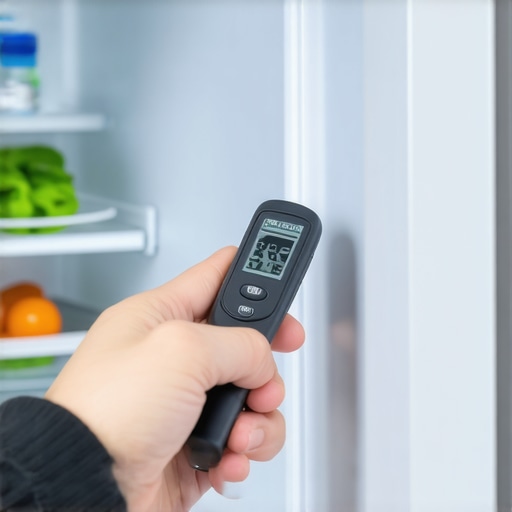
Your Fridge Needs Software Updates Too
It sounds ridiculous to ‘update’ a kitchen appliance, but firmware patches often include better compressor logic or more stable Wi-Fi handshakes. I’ve seen people pull their hair out over connectivity issues when they simply needed to learn how to update your smart fridge software without crashing the system. If your unit is an older model, you can still bridge the gap by finding the easiest way to connect an older smart fridge to a new mesh network. This isn’t just about bells and whistles; it’s about ensuring the energy-saving algorithms are actually current.
Fight the Buildup Before It Starts
In my dishwasher, hard water was my nemesis until I figured out the trick to removing hard water spots from your dishwasher interior without using harsh industrial chemicals. I now stick to a routine where I learn the best way to sanitize your dishwasher without using bleach, which keeps the seals supple and the racks from rusting. In the laundry room, if things feel sluggish, don’t wait for a total breakdown. You should know how to diagnose a washing machine that wont spin at full speed the second you notice the clothes are coming out heavier than usual.
How do I keep my high-tech kitchen running smoothly for a decade?
The secret is proactive monitoring rather than reactive repairs. I predict that within the next five years, we won’t even be checking these things manually; we’ll see ‘self-healing’ appliances that can adjust their own torque and cooling cycles based on real-time sensor wear through advanced AI diagnostics. But until then, you are the pilot. I strongly encourage you to grab a cheap thermometer tonight and check your fridge’s back corners—you might be surprised how far off the digital display actually is compared to the reality on the shelf.
Hard Truths I Learned After Squeezing My Life into a Tiny Kitchen
Living tiny taught me that silence is a functional feature, not just a luxury. When your bed is only six feet away from your refrigerator’s compressor, you quickly learn to value every decibel rating. I also realized that ‘smart’ does not have to mean ‘complicated’; it simply means your tools are finally working as hard as you do. I have found that the latest refrigerators in 2025 are finally prioritizing the ultra-quiet operation and internal layouts required for small footprints. Another lightbulb moment was realizing that a small freezer is not a limitation if you stop hoarding ‘just in case’ bags of frozen peas and start prioritizing high-quality, meal-prepped ingredients. Most importantly, do not ignore the technical specifications before you buy. Following choosing the right refrigerator tips from industry experts saved me from purchasing a unit that would have burnt out its motor within a year due to poor ventilation.
The Shortlist of Tools for a High-Performance Kitchen
If you are looking for more than just my personal anecdotes, I always recommend checking the Energy Star database for real-world consumption stats that actually impact your monthly bill. For those of you ready to upgrade your entire workflow beyond just cooling, the ultimate guide to smart home appliances for a modern living is my primary recommendation for planning a cohesive, tech-forward system. I also trust the AHAM (Association of Home Appliance Manufacturers) for technical standards regarding clearance and safety. Finally, to see how these concepts apply to your laundry routine, check out how smart washing machines can simplify laundry day even when you are working with a closet-sized space.
Your Kitchen Is a Sanctuary Not a Storage Unit
It is finally your turn to stop fighting your kitchen layout and start enjoying the efficiency of a well-chosen space. Whether you are living in 200 square feet or a standard suburban home, the same principles of proactive maintenance and intentional selection apply. Investing a little time today into picking the right refrigerators and learning their unique quirks will pay off in years of peaceful mornings and perfectly preserved food. Have you ever struggled with a noisy appliance or a cramped kitchen layout that made you want to give up on cooking? Let me know your story in the comments below.