
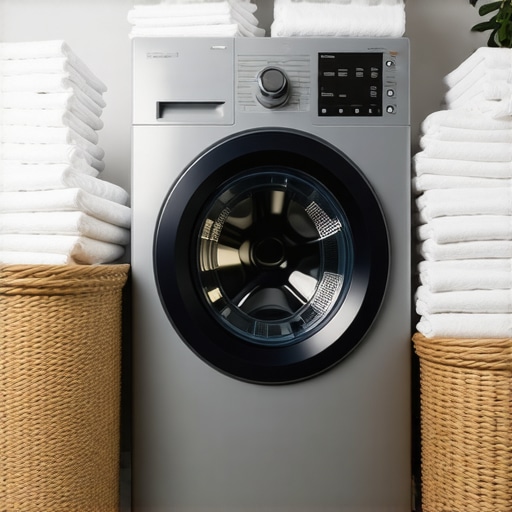
I stood there, knee-deep in a pile of grass-stained soccer jerseys and damp towels that smelled suspiciously like a wet dog, staring at the blinking ‘Error’ code on my supposedly ‘advanced’ washer. It was the third time that week. My machine had decided that three pairs of jeans and a bath mat was an ‘unbalanced load,’ leaving me with a tub of stagnant, soapy water and a Saturday afternoon that was quickly going down the drain. I felt defeated. If you’ve ever had to scoop lukewarm water out of a dead machine with a plastic coffee mug just so you could reach the clothes, you know exactly the kind of frustration I’m talking about. We need machines that work as hard as we do, not ones that require a degree in engineering just to wash a set of bedsheets. [image_placeholder_1]
Put an End to the Eternal Laundry Cycle
For the longest time, I thought that ‘bigger’ and ‘newer’ always meant ‘better.’ I spent a small fortune on a front-loader that looked like it belonged on a spaceship, only to realize it couldn’t handle the sheer grit of a family of five. I made the mistake of prioritizing aesthetics over raw capacity and durability. Today, I’m going to help you skip that expensive trial-and-error phase. We are going to look at the most reliable washing machines for large families that actually finish a cycle without throwing a tantrum. Whether you are dealing with mud, grease, or just an endless stream of socks, the right top-loader can change your life.
Do These Modern Top-Loaders Actually Clean As Well As The Old Ones?
It’s a valid fear. We all remember the heavy-duty tanks our parents had that lasted thirty years. You might be worried that ‘high-efficiency’ is just code for ‘uses no water and leaves my clothes dirty.’ According to data from independent testing organizations like Consumer Reports, many modern top-load agitator machines actually provide a better ‘deep clean’ for heavy fabrics compared to their gentler counterparts, provided you use the correct cycle. However, if you don’t choose wisely, you might find your washing machine won’t spin at full speed when it hits a heavy towel load, which is exactly what we want to avoid. Have you ever had a machine just give up on you right when the laundry basket was overflowing? Tell me I’m not alone in this! We aren’t just looking for a box that spins; we’re looking for a partner in the household chores. Let’s dive into what actually makes a top-loader ‘family-proof’ in 2025 and why washing machines that save water can still tackle the toughest grime if they have the right motor behind them.
Look Past the Shiny XL Sticker
Don’t let a massive drum capacity fool you into thinking a machine can handle your family’s chaos. I once bought a huge, sleek model without a center agitator, thinking I could wash three king-sized comforters at once. The result? A twisted, soaking wet knot that the machine couldn’t even spin. You need a motor that behaves like a freight train, not a city bus. For those dealing with constant mud or industrial grime, the best washing machines for removing tough grease and oil stains often feature a dedicated heavy-duty cycle that uses a more aggressive stroke. It’s about the torque of the motor, not just the size of the bucket. If the motor can’t handle the weight of wet denim, that extra space is just a swimming pool for your clothes. 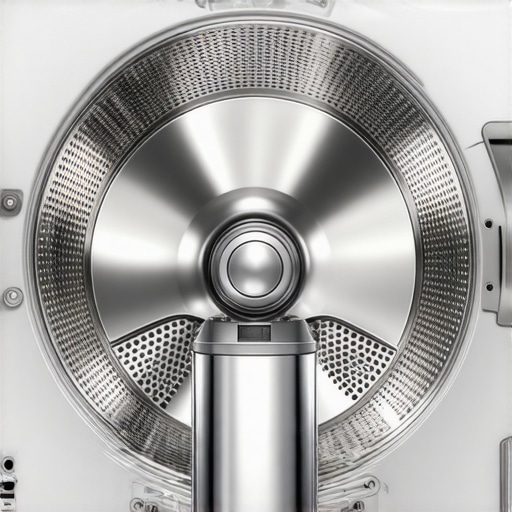
Balance the Load Before It Moves the Furniture
If your machine sounds like a drum solo during the high-speed spin, it’s a mechanical cry for help. Think of your washer like a car’s suspension; if one shock is blown, the whole ride is miserable. You must learn how to stop your washing machine from jumping during the spin cycle by checking the leveling legs every few months. I once let a slight tilt go ignored, and my washer ‘walked’ two feet across the laundry room, nearly ripping the hot water hoses right out of the wall. It’s a five-minute fix with a bubble level that saves you a thousand-dollar repair bill later.
Put the Digital Brain to Work for Your Wallet
Modern machines are incredibly smart, but they are only as effective as the person pressing the buttons. Instead of letting your machine sit idle during the day, learn how to use your smart washers delayed start for cheaper energy rates. It is the easiest way to shave dollars off your monthly utility bill without changing your lifestyle. However, don’t let those damp clothes sit for six hours after the cycle ends. You want to avoid the situation where your washing machine smells like damp towels even after a wash. This happens when moisture gets trapped in the seals, a common headache that requires a simple monthly cleaning routine to keep the air fresh.
Stop Drowning Your Clothes in Soap
High-efficiency machines are thirsty for less detergent, not more. I used to pour a massive, overflowing capful in for every load until I noticed weird white streaks on my dark work pants. Learning the secret to using less detergent in your high efficiency washer will save your clothes from that stiff, crunchy feel. Excessive suds can actually confuse the internal computer, leading to a machine that gets stuck on the sensing cycle because it can’t properly drain the ‘bubble storm’ you created.
Get Connected Without the Technical Lag
If you have a Wi-Fi enabled model, the app is more than just a gimmick; it’s your first line of defense against a broken Saturday. Make sure you know how to connect your smart washer to your home network without the lag so you get a ping the second a load is finished. Understanding how smart washing machines can simplify laundry day depends entirely on whether you’re using the automated alerts to move the laundry along or fighting the interface every time you want to wash a towel.Now that we’ve tackled the laundry room chaos, let’s look at the rest of your kitchen. We often treat our other appliances like ‘set it and forget it’ boxes, but there are nuances that can either double the life of your machine or lead to an expensive service call. One of the most common mistakes I see—and I’m guilty of it too—is the ‘pre-rinse’ ritual. We think we’re helping the machine, but modern AI-driven units actually use turbidity sensors to measure how dirty the water is. If you’ve already scrubbed every plate, the machine thinks the load is clean and cuts the cycle short, often leading to a situation why your dishwasher is leaving a gritty white film on your plates. According to the Association of Home Appliance Manufacturers (AHAM), modern dishwasher detergents are formulated with enzymes that actually require food particles to latch onto; without them, the detergent just ends up being abrasive to your glassware and internal components. To get the best results, you need to understand the best way to load a dishwasher for maximum water flow instead of doing the work for it.
Stop Using Vinegar as a Universal Cleaner
Many people swear by using white vinegar as a natural rinse aid or cleaner. While it seems eco-friendly, the high acidity of vinegar can actually degrade the rubber seals and hoses in your high-efficiency machines over time. This is a classic ‘pro tip’ that often results in a slow, silent leak that ruins your subfloor. Instead, look into the truth about using white vinegar in your high efficiency dishwasher before you pour another gallon in. It is far safer to use products specifically engineered for these machines to maintain the integrity of the gaskets. 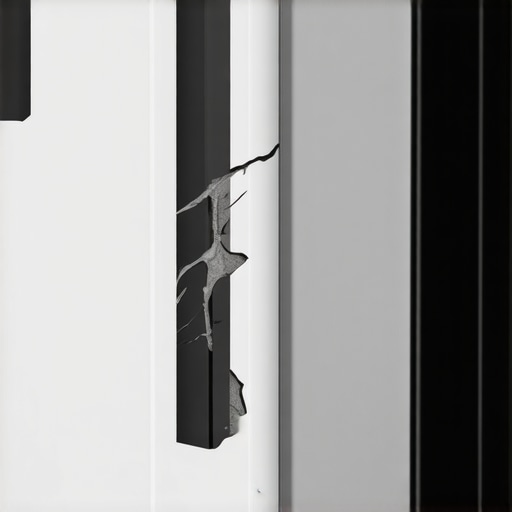
Why Your “Eco Mode” Might Be Costing You More
It’s a common contrarian view, but in my experience, the ‘Eco’ button isn’t always your friend. While it saves water, it often uses much lower temperatures, which allows grease and undissolved detergent to build up in the drainage lines. If you only run Eco cycles, you are essentially inviting a blockage. I recommend running a heavy-duty, high-heat cycle at least once a week to ‘purge’ the system. Learning the truth about the eco mode on your new dishwasher can help you balance your utility bills with the actual health of the appliance.
Can Your Smart Home Hub Actually Mess With Your Appliance Sensors?
As we move toward a fully connected kitchen, a new problem has emerged: signal interference. I’ve seen cases where a powerful Wi-Fi router placed too close to a smart oven or fridge caused the control board to throw ‘phantom’ error codes. The internal shielding on some of these boards isn’t always enough to block out high-frequency traffic. If you’re seeing weird glitches, you might need to learn how to keep your smart home hub from interfering with appliance signals. These innovative dishwashers with ai technology you must know are brilliant, but they are also sensitive. Have you ever fallen into the trap of over-cleaning your dishes or using the wrong settings just because they were labeled ‘Eco’? Let me know in the comments!
Don’t Wait for the Puddle to Check Your Fridge
For years, I ignored the hum coming from my kitchen until it became a literal roar. We treat our refrigerators like furniture, but they are more like marathon runners that never get a break. If you want to avoid that dreaded morning where you wake up to a warm gallon of milk, you need to look at the mechanical heart of the machine. I’ve learned that the most common failure point isn’t the fancy touch screen; it’s the compressor. Understanding the real difference between inverter compressors and standard fridge motors can help you identify why your unit might be struggling. Modern inverter models are designed to run at variable speeds, but they are incredibly sensitive to dust. I make it a point to pull my fridge out every six months to vacuum the condenser coils. It’s a dirty job, but it’s the best way to save money on your electric bill by tweaking your fridge settings and ensuring the motor isn’t overworking itself in a blanket of pet hair and lint. 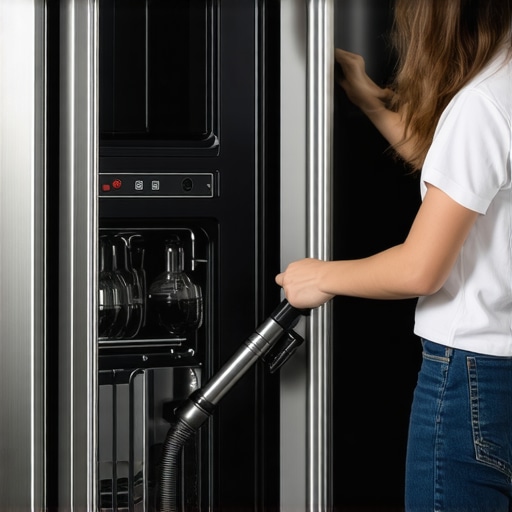
How do I keep these machines humming for ten years or more?
Maintenance isn’t just about cleaning; it’s about calibration and sealing. I once lost an entire week’s worth of groceries because a tiny tear in the rubber gasket let all the cold air escape. Now, I use the ‘dollar bill test’—if you can slide a bill through the closed door, your seal is gone. You should definitely learn how to check if your refrigerator door seal is actually airtight before the summer heat hits. While you’re at it, grab a digital thermometer. Most built-in displays are ‘averages,’ not real-time data. Knowing how to recalibrate your refrigerators internal thermometer for better cooling ensures your perishables actually stay at 37°F. For the laundry room, the most neglected task is the filter. Most front-load owners don’t even know there is a small door at the bottom of the machine. Finding the secret to cleaning a front load washers hidden filter will prevent that ‘swamp’ smell and keep your pump from burning out.
Prepare for the Age of Self-Healing Appliances
Looking ahead, the future of home appliances is moving toward predictive maintenance. According to technical documentation from the Association of Home Appliance Manufacturers (AHAM), the next generation of smart sensors will actually detect the vibration patterns of a failing bearing months before it actually breaks. We are entering an era where your dishwasher might order its own replacement heating element before you even notice the water isn’t getting hot. This shift toward AI-driven diagnostics is the ultimate goal of top smart appliances for a seamless home experience in 2025. My advice? Start using your appliance’s native app now. Even if you hate ‘smart’ features, those apps provide firmware updates that can literally change the washing algorithm to be more efficient. My challenge to you this weekend is to find that hidden drain filter on your washer and clean it out—your pump (and your wallet) will thank you.
The Hardest Lesson I Learned About Household Longevity
After years of battling ‘phantom’ leaks and error codes, I’ve realized that the most expensive repair is the one you could have prevented with a screwdriver and five minutes of patience. First, never ignore a new sound. If your machine starts clicking, it might be the reason your washing machine is tearing small holes in your clothes—a tiny loose piece of plastic or metal that’s easy to smooth out before it ruins your favorite shirt. Second, the floor is your machine’s foundation; I’ve seen perfectly good compressors die young because the owner didn’t know how to level a refrigerator on an uneven kitchen floor, causing internal vibrations that shake the life out of the motor. Finally, trust the tech but verify the results. If your plates are coming out wet, it’s often just the hidden sensor that stops your dishwasher from drying properly because of a little bit of scale buildup.
Resources to Help You Rule Your Domain
Maintaining a modern home isn’t about being a master mechanic; it’s about knowing where to look when things go sideways. I always keep a copy of my machine’s manual in a digital folder on my phone, but for the bigger picture, I rely on this ultimate guide to smart home appliances for a modern living. It helps bridge the gap between ‘it’s broken’ and ‘I can fix this.’ I also suggest following the Association of Home Appliance Manufacturers (AHAM) for safety recalls and keeping a simple bubble level and a Shop-Vac nearby—they are the two most important tools for any homeowner dealing with heavy-duty machines.
Confidence in Every Spin
At the end of the day, your home appliances should serve you, not the other way around. By taking these small maintenance steps now, you are buying yourself peace of mind and more time with your family. The goal is a house that runs so smoothly you forget the machines are even there. As you look toward the future, remember that top smart appliances for a seamless home experience in 2025 are designed to be your partners, provided you give them the basic care they deserve. You’ve got this! Have you ever had a machine ‘walk’ across the floor or throw a code that made absolutely no sense? Let me know your craziest appliance story in the comments below!